Lawyers for people charged after a Sydney protest say newly aired footage raises serious questions about the way police used force. Solicitor Nick Hanna has argued that some arrests and police actions were unlawful. Barrister Bradley Dean, representing NSW Police Commissioner Mal Lanyon, has resisted broad demands for police records.
The dispute is before a court as protesters seek access to documents about the February 9 demonstration at Sydney’s Town Hall during Israeli President Isaac Herzog’s visit. Judge Scott Nash has accepted that the defence’s request has a legitimate forensic purpose, but questions remain about the release of some material.
That ruling concerned access to evidence. It was not a judicial finding that police officers committed misconduct, nor was it a decision on the guilt or innocence of protesters facing charges.
The footage shown to the court
The defence played a compilation of footage collected from different cameras, including police body-worn cameras and other recordings. Lawyers say it supports allegations of excessive force during the dispersal and arrest of demonstrators.
Among the scenes shown were officers grabbing people during arrests and police moving on a group of Muslim men who were praying. Some clips captured comments made by officers at the scene.
The videos are significant evidence, but not every clip showed what happened immediately beforehand. Context can be crucial when assessing the legality of an arrest or the reasonableness of force.
Hanna said footage appeared to contradict an account about when the prayer began in relation to police directions. That is his argument in court, not an independent finding that an officer intentionally lied.
Why the defence wants police records
Defence lawyers are seeking communications and operational material relating to how the protest was planned and controlled. The requests reportedly include communications involving senior police and political offices, as well as relevant procedures for certain police tactics.
The defence says these materials could help it understand why particular directions were given and whether actions taken at the protest complied with the law.
The existence of a request for ministerial communications does not establish that a premier or minister directed an unlawful act. That is a matter the lawyers want to examine through evidence.
Police accountability depends on assessing actual orders, powers and conduct, rather than inferring misconduct from the political controversy surrounding a demonstration.
The police commissioner’s lawyer challenges the subpoenas
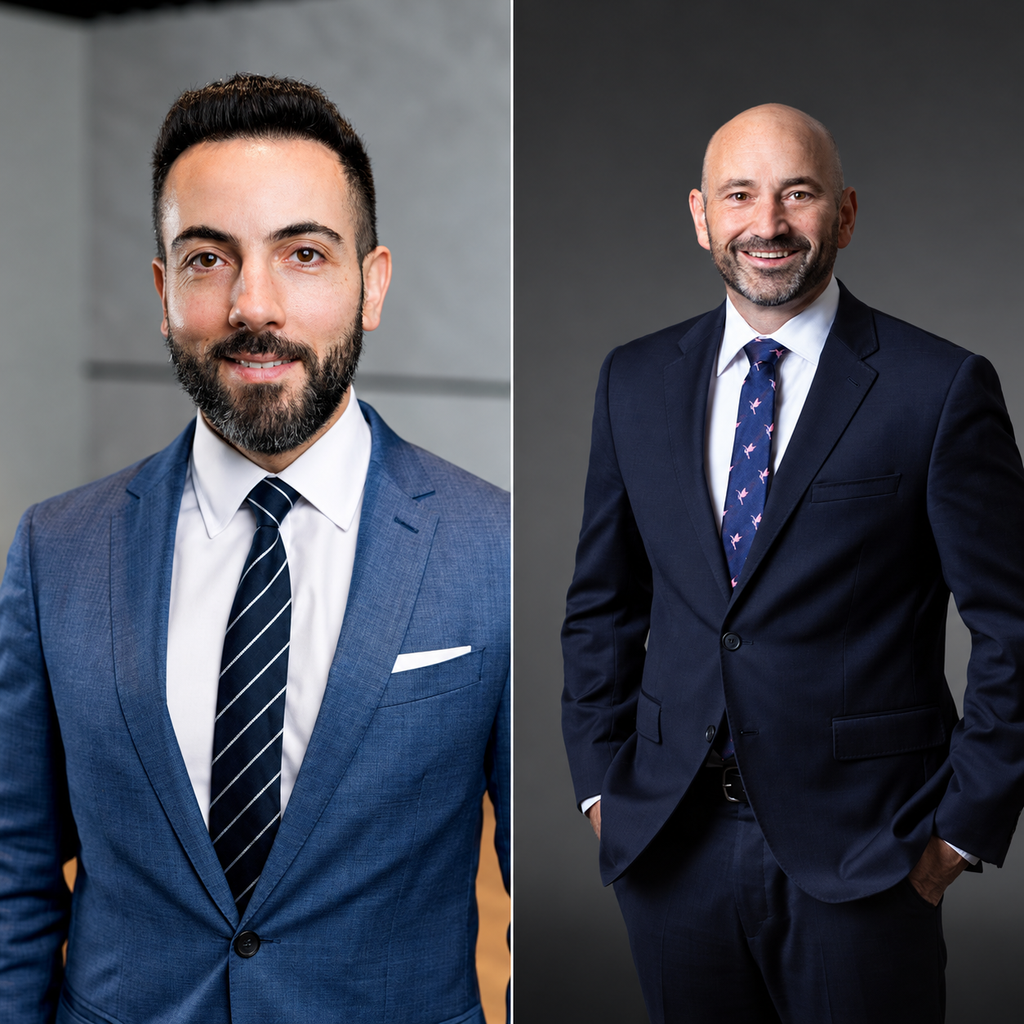
Dean argued that subpoenas should not become a wide-ranging search through police communications without sufficient connection to issues in the proceedings. He was representing the Police Commissioner in that argument; the reporting does not make him the personal spokesperson for every officer involved.
Judge Nash accepted that at least the material under discussion served a legitimate forensic purpose. However, not all disputed documents were necessarily going to be handed over immediately.
Police also raised public-interest immunity questions in relation to some information. Such claims can involve concerns about the disclosure of sensitive operational material, which the court must consider against the requirements of a fair process.
The matter is due to return to court for further argument. It would be inaccurate to report that all requested documents have been released or that suppression issues are fully resolved.
What is known about the criminal cases
Sixteen demonstrators were reported to be facing trials on charges that included assaulting police. They are presumed innocent unless proven guilty.
The original set of prosecutions was larger, and some charges were subsequently withdrawn. That development must be distinguished from a judicial finding that every arrest or prosecution was unlawful.
The available reporting indicates that further trials are expected in 2027. Future court dates can change, and outcomes must not be anticipated.
The allegations made about police conduct and the charges brought against protesters are separate legal questions. A person can dispute an arrest without that automatically resolving a charge; equally, the existence of charges does not establish that police tactics were lawful.
The wider question of protest rights
Peaceful protest is an important part of political expression. Police can also have legal powers to manage public safety, enforce lawful directions and respond to criminal conduct. The dispute concerns how those powers were applied in specific circumstances.
Legal assessments may depend on the power relied upon, directions actually issued, the necessity of force and what officers reasonably understood at the time.
Footage can help explain a particular encounter, especially when seen alongside witnesses, operational plans and full recordings. Short clips can be valuable, but a court must be careful about omitted context or sequences that are not continuous.
For the public, the important question is not whether a protester’s message was popular. It is whether police and protesters complied with the law, and whether proceedings offer a fair opportunity to test disputed evidence.
Complaints about policing may also be examined through oversight mechanisms, but those processes should not be confused with the ongoing criminal proceedings.
What happens next
Hanna says the defence needs the police communications to understand how the operation was directed. Dean has defended limits on access to records. Judge Nash has accepted the forensic relevance of material while leaving aspects of disclosure unresolved.
NSW Police declined to comment on the alleged wrongdoing while the matter remained before court. That decision is not an admission.
The next hearings and eventual trials will determine what evidence can be used and, separately, whether the individual criminal charges are proven. Until then, the allegations about excessive force and unlawful arrest remain allegations rather than court findings.
How courts assess force and police powers
Video evidence can be persuasive because it shows moments that written statements might describe differently. Yet a recording is only part of the picture. A court may need to know what directions were given, what officers understood, whether there was an immediate risk and what happened before and after the recorded seconds.
Police powers do not operate without legal limits, but their precise scope depends on legislation and the circumstances. The lawfulness of a direction can be different from the question of whether force used to enforce it was reasonable. The court must examine each issue through the relevant legal framework.
The defence’s claim of unlawful conduct is a serious allegation. The footage may justify further scrutiny, but its presentation at a preliminary hearing does not amount to a judicial conclusion that a particular officer acted unlawfully. Conversely, the fact that police relied on public-safety powers does not resolve every complaint about what happened.
Body-worn cameras can support accountability by recording an officer’s perspective. However, a body camera can have a limited field of view and may not capture every interaction. Multiple recordings, witness statements and operational documents may be needed to assess a disputed sequence.
The defence wants access to material it considers relevant to those legal questions. Dean’s argument is that disclosure has limits and must not become an unrestricted examination of all police communications. That is why the judge’s finding of legitimate forensic purpose matters without ending the argument about every document.
Why documentation and oversight matter
When officers are accused of excessive force, independent examination of complaints can be as important as the criminal trial involving individual protesters. The processes may have different aims, powers and legal standards.
A criminal trial asks whether the prosecution can establish charges against an accused person beyond reasonable doubt. A complaint about police conduct may ask whether officers complied with policies, legal obligations or professional standards. A civil claim, if one were brought, would raise still other questions. None should be treated as automatically proving the others.
The records the defence seeks may assist its argument about how the operation was organised. That possibility does not establish that senior politicians or commanders ordered unlawful tactics. A suspicion voiced by a solicitor remains a case theory until supported by evidence that a court accepts.
Public-interest immunity claims can introduce additional complexity where disclosure of documents is said to affect important government or operational interests. Courts must consider such arguments while protecting the fairness of proceedings. The current ruling did not resolve every immunity question, making later hearings significant.
Communities can reasonably demand accountability without treating every allegation as a proven fact. Police officers are also entitled to have their conduct assessed on complete evidence. Protesters charged with offences retain the presumption of innocence regardless of whether their political message attracts public support.
The next developments to watch are the scope of actual document production, the treatment of any immunity claims and the outcomes of individual prosecutions. Until those steps occur, the court record establishes a dispute about evidence and conduct, not a final finding on unlawful police force.
The case also illustrates why legal access to recordings matters. Footage held by police and material recorded by witnesses may show different angles of one encounter. A fair procedure needs a way to test those accounts while protecting information the law genuinely permits authorities to withhold.
The public should not confuse a judge’s decision that a document may be relevant with a finding that the facts alleged by the party seeking it are true. That distinction protects confidence in the court process whichever side ultimately succeeds.






