The first parliamentary speech delivered by One Nation South Australia leader Cory Bernardi has sparked one of the state’s earliest political controversies of the new parliamentary term, after Greens MPs staged a walkout in protest during his address.
Rather than focusing on a single issue, Bernardi used his maiden speech to outline the political themes he intends to pursue throughout his time in Parliament, covering topics including national identity, economic policy, socialism, gender issues and the direction of Australian society. The reaction inside the chamber quickly became almost as significant as the speech itself.
Bernardi argued that South Australia and Australia more broadly had become increasingly divided by ideology and identity politics. He criticised what he described as the growing influence of socialism and said governments should place greater emphasis on individual responsibility, national unity and economic opportunity. Throughout the speech he also expressed opposition to gender-affirming care for children, criticised several cultural and political trends, and argued that Australians were becoming increasingly frustrated with mainstream political institutions.
As Bernardi began discussing gender-related issues, Greens MLCs Robert Simms and Melanie Selwood quietly left the Legislative Council chamber in protest. The walkout was not accompanied by interruptions or debate inside the chamber but immediately drew public attention once parliamentary proceedings concluded.
Greens representatives later indicated that they objected to Bernardi’s comments about transgender people and gender-affirming healthcare. They said the decision to leave the chamber reflected their opposition to those views rather than an attempt to disrupt parliamentary proceedings.
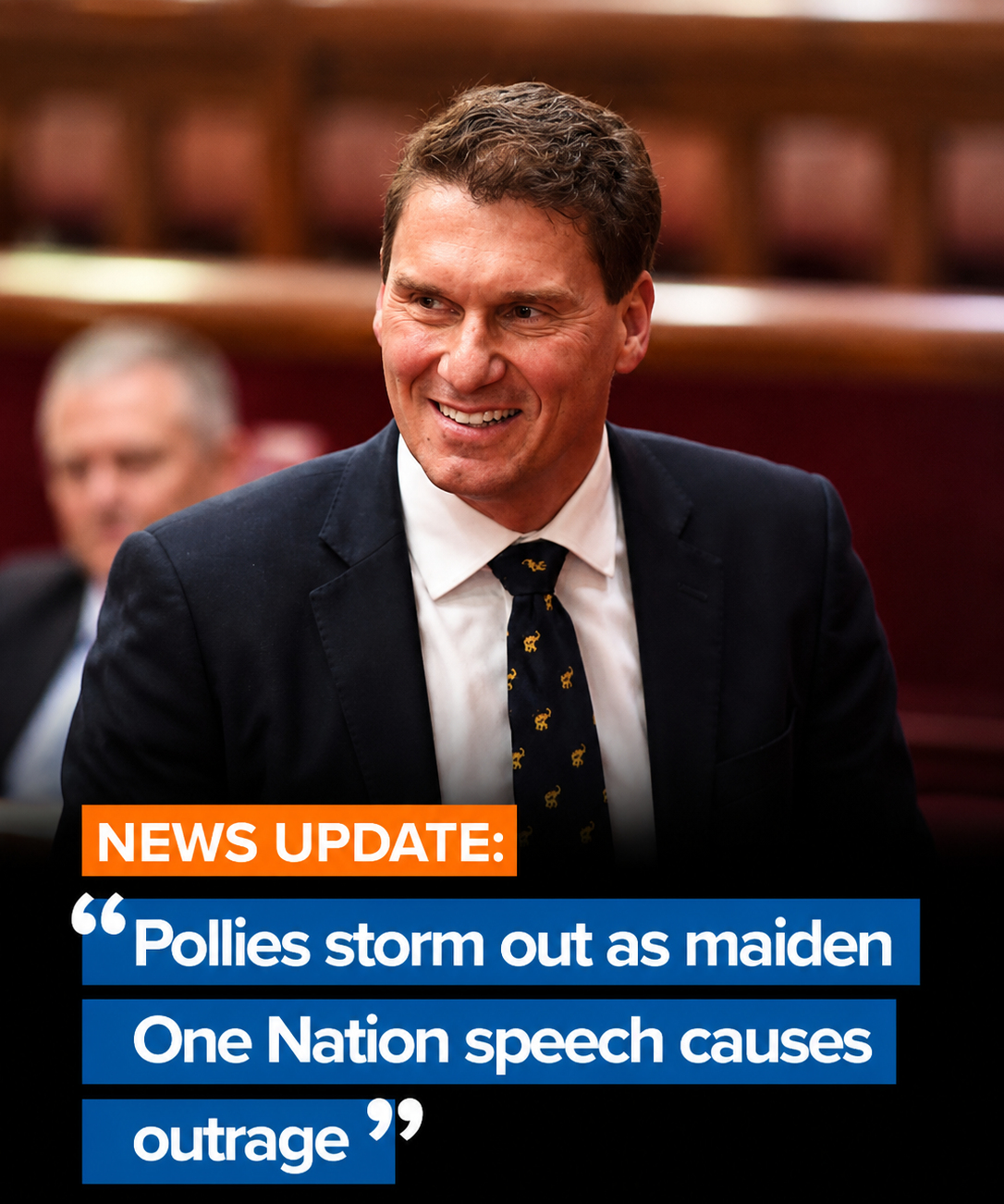
Supporters of Bernardi viewed the walkout very differently. They argued it demonstrated an unwillingness by political opponents to engage with views they disagreed with and said Parliament should remain a place where elected representatives can express differing opinions, even when those opinions prove controversial. One Nation supporters subsequently shared excerpts of the speech across social media, describing it as setting out the party’s priorities for the new parliamentary term.
The event also highlighted One Nation’s stronger political position following the South Australian election. The party secured representation in both houses of Parliament, giving it a larger platform to influence debate on issues including crime, energy, migration and social policy. While Labor retains government, One Nation has sought to establish itself as one of the most prominent voices on the parliamentary crossbench.
Political observers note that maiden speeches traditionally introduce a parliamentarian’s values and priorities rather than announcing detailed legislation. In Bernardi’s case, the address provided a broad outline of the themes likely to define his parliamentary agenda over the coming years. At the same time, the Greens’ response illustrated how issues surrounding gender identity and cultural policy remain among the most polarising topics in Australian politics.
The discussion extends beyond one speech. Across Australia, debates over gender policy, education, freedom of expression and cultural identity continue to generate strong reactions from politicians and the public alike. Different parties have adopted sharply contrasting positions, ensuring these issues remain a significant feature of political debate both inside and outside Parliament.
For South Australian voters, the exchange offered an early indication of how the new Parliament may operate. With One Nation holding a stronger presence than in previous terms and the Greens continuing to oppose many of its social policy positions, similar confrontations are likely to occur as new legislation and public policy questions come before Parliament.
Whether Bernardi’s speech ultimately broadens One Nation’s appeal or further entrenches political divisions remains uncertain. What is already clear is that his first address has become one of the most discussed parliamentary moments of the new term, drawing attention not only to the substance of his remarks but also to the sharply contrasting responses they produced inside the chamber.






