Australia’s proposed online safety reforms have sparked renewed debate after the Federal Government released details of a planned digital duty of care framework that would place additional responsibilities on online platforms to reduce harmful content and improve user safety.
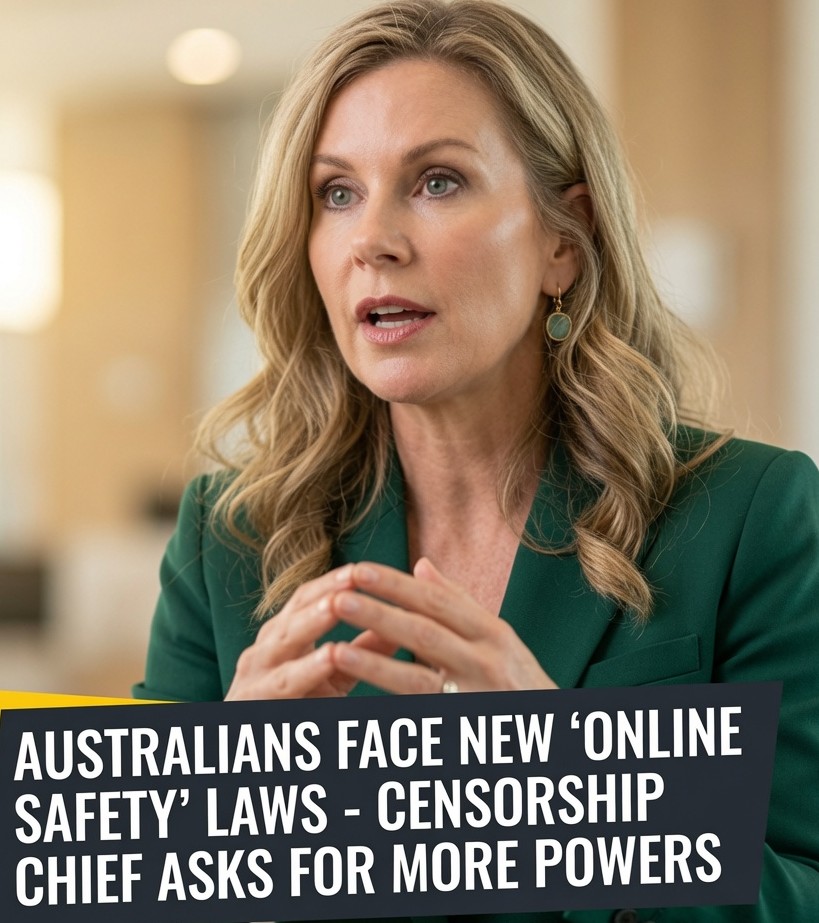
According to published reports, some free speech organisations, privacy advocates and digital rights groups have expressed concern that aspects of the proposals could expand the powers of the eSafety Commissioner and increase regulatory oversight of online services. These concerns reflect the views of those organisations and commentators. The Government argues the reforms are intended to improve online safety and better protect Australians from serious digital harms.
The proposed digital duty of care would require online platforms to take reasonable steps to reduce risks associated with harmful online activity. While the final legislative details have not yet been settled, governments around the world have increasingly explored similar regulatory approaches as digital services become more central to everyday life.
Supporters of stronger online safety regulation argue that governments have a responsibility to address issues including online abuse, child exploitation, scams, cyberbullying, illegal content and other forms of digital harm. They contend that large technology companies should take greater responsibility for managing risks on their platforms and improving user protections.
Privacy advocates and civil liberties groups, however, argue that any expansion of regulatory powers should be accompanied by clear legal safeguards, transparent oversight and strong protections for freedom of expression and personal privacy. They caution that broadly drafted legislation may create unintended consequences if enforcement powers are not carefully defined.
The Office of the eSafety Commissioner already plays a significant role in Australia’s online regulatory framework, with responsibilities that include addressing certain forms of harmful online content, cyber abuse involving children, image-based abuse and other matters specified under existing legislation. Any additional powers would require parliamentary approval if included in future legislation.
Technology policy experts note that governments internationally continue searching for an appropriate balance between protecting users from genuine online harm and preserving fundamental democratic values such as freedom of expression, access to information and individual privacy. Similar policy debates are taking place across Europe, North America and other democratic jurisdictions.
Legal specialists also observe that proposed legislation typically undergoes parliamentary scrutiny, committee review, stakeholder consultation and public debate before becoming law. During this process, governments may amend draft provisions in response to submissions from industry, academics, advocacy groups and members of the public.
As Australia’s digital regulatory framework continues evolving, the proposed reforms are likely to remain the subject of significant public discussion. Whether the legislation ultimately proceeds in its current form or is amended through Parliament, the debate highlights the continuing challenge of balancing online safety, privacy, freedom of expression and effective regulation in an increasingly digital society.






