Debate over Australia’s hate speech legislation has intensified after former Attorney-General Mark Dreyfus called for existing laws to be expanded to cover a broader range of conduct beyond speech involving violence or explicit threats.
Dreyfus said he believes Australia’s legal framework could provide wider protections against harmful conduct and also reiterated his support for stronger firearm regulations. His comments have added to an ongoing national discussion about how governments should balance public safety, anti-discrimination protections and freedom of expression.
According to reports, Dreyfus argued that the current legal threshold could be broadened so that certain forms of harmful language may be addressed even when they do not involve direct threats or incitement to violence. He also expressed support for tighter gun laws as part of a broader discussion about public safety measures.
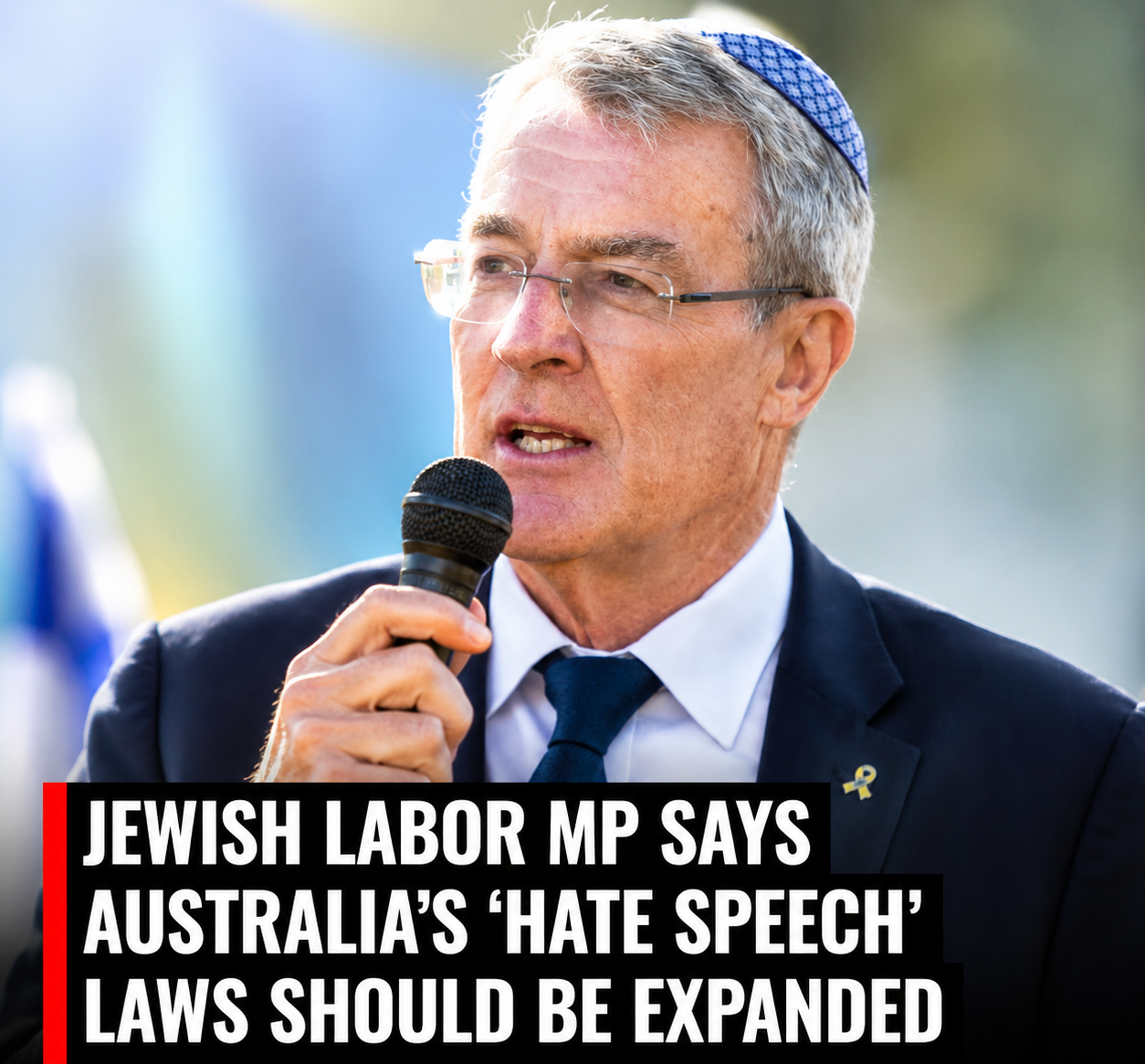
No changes have been enacted as a result of these comments. Any proposal to amend federal hate speech legislation would need to proceed through the normal parliamentary process, where legislation is subject to debate, committee scrutiny and votes in both houses before becoming law.
Supporters of stronger hate speech protections argue that broader legislation may help reduce serious harassment and protect vulnerable communities from conduct that can contribute to intimidation or discrimination. They contend that legal intervention may prevent some situations from escalating into more serious incidents.
Critics of expanding hate speech laws argue that any broader restrictions should be carefully drafted to avoid unintended effects on lawful public discussion, political debate and freedom of expression. They emphasise the importance of providing clear legal definitions so individuals understand what conduct would be prohibited.
Legal scholars note that democracies often face difficult policy choices when balancing individual rights with protections against harmful conduct. Different countries have adopted varying legal approaches, reflecting different constitutional traditions, legislative frameworks and public policy priorities.
Australia already has a combination of federal and state laws dealing with issues such as discrimination, harassment, threats, incitement and public safety. Whether additional reforms are pursued will depend on future government policy decisions and the outcome of parliamentary consideration.
As discussion continues, the issue is expected to remain part of a broader national conversation about public safety, civil liberties and the role of legislation in addressing harmful conduct. Any future reforms will ultimately be determined through Australia’s legislative process.






