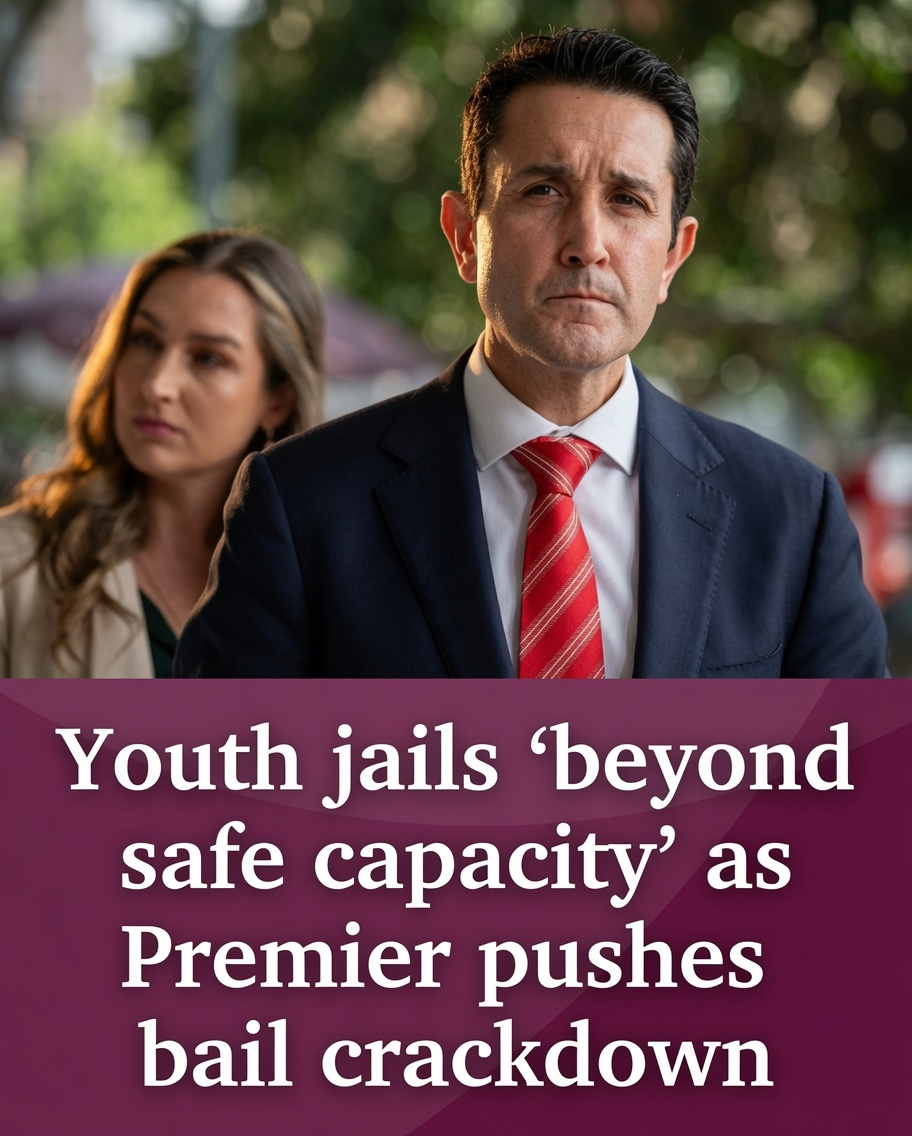
Queensland Premier David Crisafulli has defended the state’s new “breach bail, go to jail” youth justice policy following warnings that detention centres could come under increasing pressure as the reforms take effect.
According to published reports, the Queensland Government maintains the policy is intended to improve community safety by requiring young offenders who breach bail conditions to be detained. Ministers argue the reforms are designed to strengthen accountability within the youth justice system and respond to public concerns about repeat offending.
The policy has nevertheless attracted criticism from some legal experts, youth advocates and organisations involved in the justice system. They have warned that an increase in the number of young people being detained could place additional strain on Queensland’s youth detention facilities, staffing levels and rehabilitation programs.
Supporters of the reforms argue that stronger bail laws are necessary to reduce repeat offending and provide greater confidence in the justice system. They contend that individuals who repeatedly breach court-imposed bail conditions should face more immediate consequences in order to protect victims and improve community safety.
Others argue that youth detention should be used only where necessary and caution that overcrowded facilities may limit opportunities for education, rehabilitation and support services. Some experts also suggest that long-term reductions in youth crime depend on combining enforcement measures with early intervention, family support, education and community-based programs.
Youth justice remains one of the most closely debated policy areas across Australia. State governments continue balancing competing objectives, including protecting public safety, reducing reoffending, ensuring appropriate consequences for criminal behaviour and supporting rehabilitation for young people who enter the justice system.
Legal specialists note that bail laws vary between Australian jurisdictions and are regularly reviewed as governments respond to crime trends, court decisions and community expectations. Changes to bail legislation can significantly affect police operations, court workloads, correctional services and youth detention systems.
Political analysts expect youth crime to remain a major issue in Queensland politics, particularly as governments face continued pressure to demonstrate improvements in community safety while ensuring justice policies remain effective, proportionate and sustainable over the long term.
As implementation of the new policy continues, its practical impact on youth detention numbers, court outcomes and crime rates is likely to be monitored closely by government agencies, legal experts and community organisations. Future reviews may assess whether the reforms achieve their intended objectives while maintaining the capacity and effectiveness of Queensland’s youth justice system.






