A heated online debate has emerged following claims that a recent report in the United Kingdom relating to grooming gang cases has not received sufficient coverage from major media outlets.
The discussion has spread rapidly across social media, with some commentators arguing that the findings have been underreported, while others dispute both the framing and interpretation of the claims being made.
The issue of grooming gangs in the UK has been the subject of multiple inquiries, investigations and political debates over many years, making it one of the most sensitive and heavily contested topics in British public life.
Supporters of greater media attention argue that serious allegations involving child sexual exploitation deserve consistent and transparent reporting, regardless of political sensitivity.
They claim that public awareness is essential to ensuring accountability and improving safeguarding systems.
However, critics of the current narrative caution that discussions around these cases are often highly politicised, with different groups interpreting reports in conflicting ways.
They argue that complex criminal investigations should be understood within the context of legal processes, verified evidence and ongoing court proceedings.
The question of media coverage has also become a central point of debate.
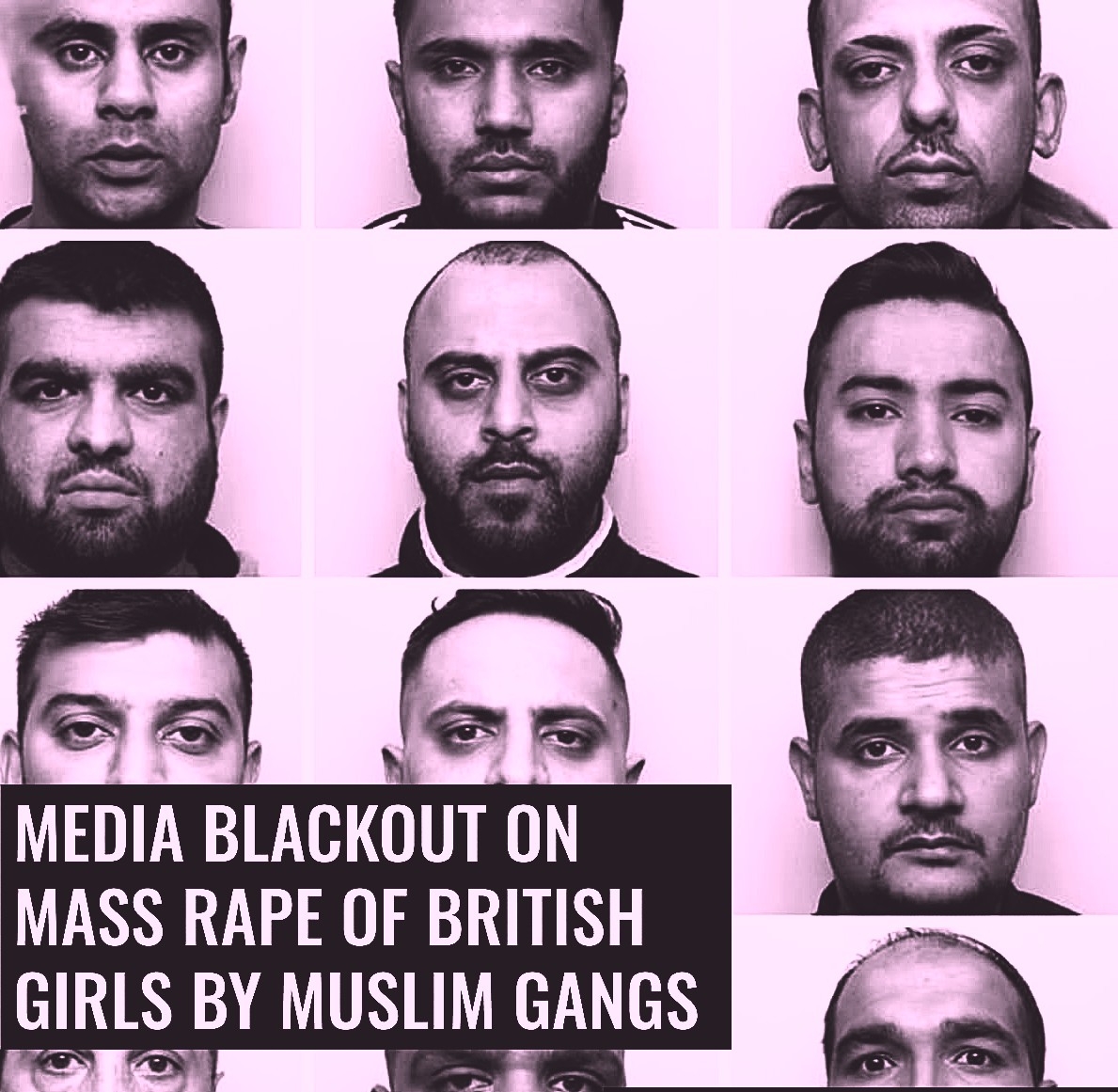
Some commentators believe that certain stories receive uneven attention depending on their political sensitivity, while others argue that editorial decisions are based on verification standards and news value rather than intentional omission.
This has led to broader discussions about how news organisations prioritise coverage and how social media amplifies specific claims or narratives.
The topic remains highly sensitive in both the UK and internationally due to the serious nature of the underlying offences and the long-standing public concern surrounding child protection failures.
In recent years, multiple official inquiries and police operations have examined historical cases of child sexual exploitation in several UK regions.
These investigations have resulted in policy changes, prosecutions and ongoing debates about institutional accountability.
At the same time, the way these issues are discussed publicly often becomes highly polarised, with competing narratives about scale, responsibility and media coverage.
The latest claims have therefore entered an already complex and emotionally charged public conversation.
As with many sensitive social issues, interpretations of reports and media responses vary significantly depending on perspective and political context.
What is clear is that the debate around reporting, accountability and public awareness is likely to continue as new findings and discussions emerge.






