Australia’s latest housing market figures have intensified political debate after national home prices recorded their largest monthly decline in several years, prompting renewed discussion over the Federal Government’s housing and taxation policies.
Housing Minister Clare O’Neil defended the Government’s reforms during a heated exchange, arguing that the objective is to improve housing affordability and expand opportunities for Australians seeking to purchase their first home. She said the Government’s focus is on creating a more sustainable housing market rather than supporting continually rising property prices.
The debate follows the release of June housing data showing the largest month-to-month decline in national dwelling values since late 2022. The figures have generated questions about how recent economic conditions, government policy and changing buyer behaviour are influencing Australia’s residential property market.
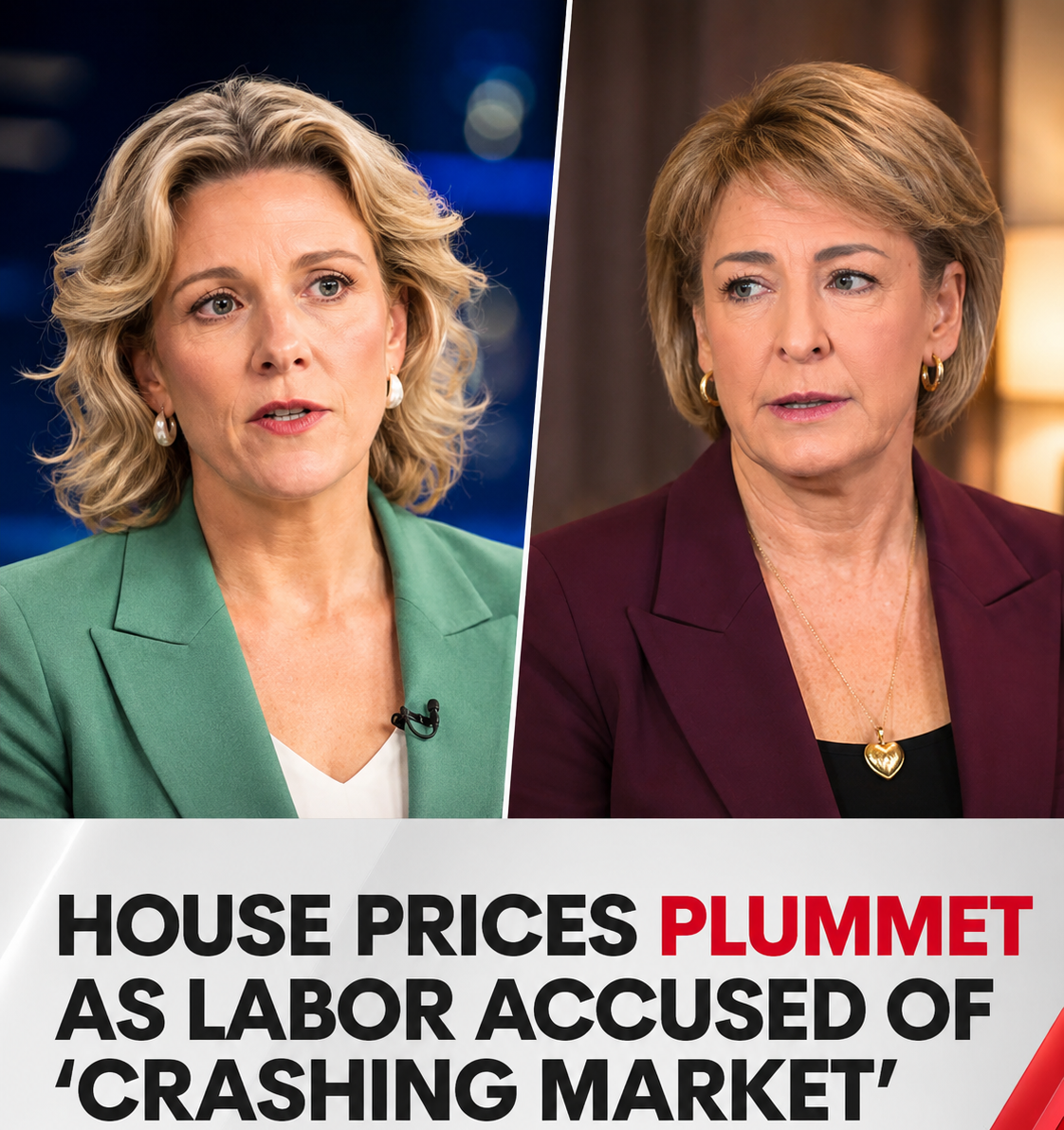
Government ministers maintain that the housing package is designed to improve long-term affordability by increasing housing supply, supporting first-home buyers and ensuring taxation settings better reflect broader policy objectives. They argue that improving access to home ownership requires structural reforms rather than relying on continued rapid growth in property prices.
Opposition politicians and some property industry representatives have expressed concerns that recent taxation changes may reduce investor confidence or discourage investment in residential housing. They argue that weaker investor activity could influence housing supply over time, particularly in the rental market, although views differ across the property sector.
Housing economists emphasise that property prices are influenced by multiple economic forces operating simultaneously. Interest rates, borrowing costs, household incomes, migration, construction activity, population growth, consumer confidence and the availability of housing all contribute to market performance. For that reason, analysts caution against linking recent price movements exclusively to one government policy.
Lower home prices may improve affordability for some prospective buyers, but higher borrowing costs continue to affect purchasing power by increasing mortgage repayments. Financial advisers therefore encourage buyers to consider both property values and long-term financing costs when assessing affordability.
As Parliament continues debating housing policy, the latest market figures are likely to remain a central issue for policymakers, lenders and industry participants. Future housing trends will depend on a combination of monetary policy, economic conditions, housing supply and buyer confidence in the months ahead.
With additional housing data expected later this year, economists will be watching closely to determine whether the recent decline represents a short-term market adjustment or the beginning of a longer period of softer conditions across Australia’s residential property sector.






