Treasurer Jim Chalmers is under renewed political pressure after Labor was forced to scale back elements of its recent budget tax measures, triggering criticism over the handling of the policy process.
The controversy has centred on claims that the proposals were developed too quickly, leading to design flaws that required subsequent backdowns once the details were scrutinised more closely.
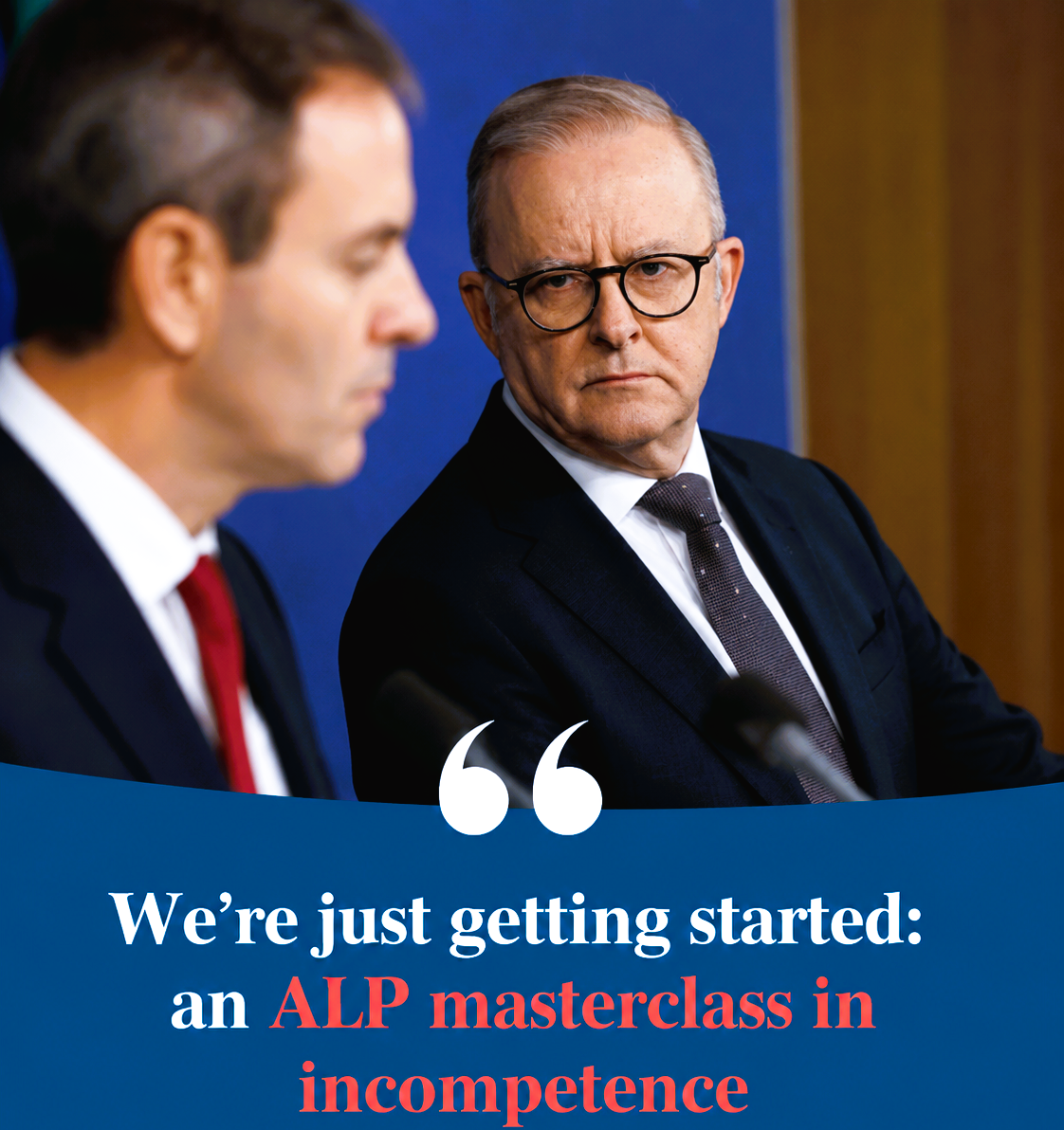
Critics argue the episode raises serious questions about the effectiveness of Treasury’s modelling and the government’s approach to major tax reform.
According to political opponents and some commentators, the adjustments represent an embarrassing setback for the government’s economic agenda.
They claim the situation reflects a broader problem in policy development, where announcements are made before all practical consequences are fully understood.
The Treasurer has faced mounting scrutiny as a result, with critics suggesting that the government’s handling of tax reform risks undermining confidence among businesses and investors.
However, government supporters reject the suggestion that the process reflects incompetence.
They argue that policy refinement is a normal part of governance, particularly when consultation with industry and stakeholders reveals unintended consequences.
From this perspective, revising proposals should be seen as responsiveness rather than failure.
The debate highlights the ongoing tension between speed and accuracy in economic policymaking.
On one hand, governments are under pressure to act quickly on cost-of-living and budget challenges.
On the other, complex tax systems require detailed modelling and careful adjustment to avoid unintended impacts.
Jim Chalmers has been central to Labor’s economic messaging, particularly on inflation, wages and household affordability.
That makes any perceived misstep in budget design politically significant.
Opposition figures have used the controversy to question the government’s broader economic management, arguing that repeated adjustments signal instability.
Labor maintains that its economic strategy remains coherent and focused on long-term outcomes for households and the broader economy.
The episode also reflects the broader scrutiny placed on modern treasurers, where policy announcements are immediately tested in public and political arenas.
In such an environment, even technical adjustments can quickly become politically charged debates about competence and credibility.
As discussion continues, the focus is likely to remain on how effectively the government can manage complex reforms while maintaining public confidence.
For Chalmers, the immediate challenge is to restore confidence in the budget process and reassure both markets and voters that policy direction remains stable.
Whether the controversy fades or develops into a longer-term political issue will depend on how future reforms are handled and communicated.
What is clear is that the handling of tax policy has once again become a central point of political debate in Australia’s economic landscape.






