Can Jacinta Allan Convince Victorians To Stay The Course For Another Four Years?
As Victoria moves closer to its next state election, one question is increasingly dominating political conversations across the state: why should voters give the Allan Government another term?
It is a question that cuts to the heart of modern politics.
Incumbent governments rarely win elections simply by reminding voters they are already in power. Instead, they must convince people that the next four years will be better than the last four.
That challenge is becoming increasingly significant for Premier Jacinta Allan as her government prepares for what many observers expect to be one of the most closely watched Victorian elections in years.
The political environment confronting the government is vastly different from the one Labor enjoyed during earlier election victories.
Across Victoria, concerns about cost-of-living pressures continue to dominate household conversations. Families are dealing with higher mortgage repayments, rising rents, increasing utility bills and growing concerns about future affordability.
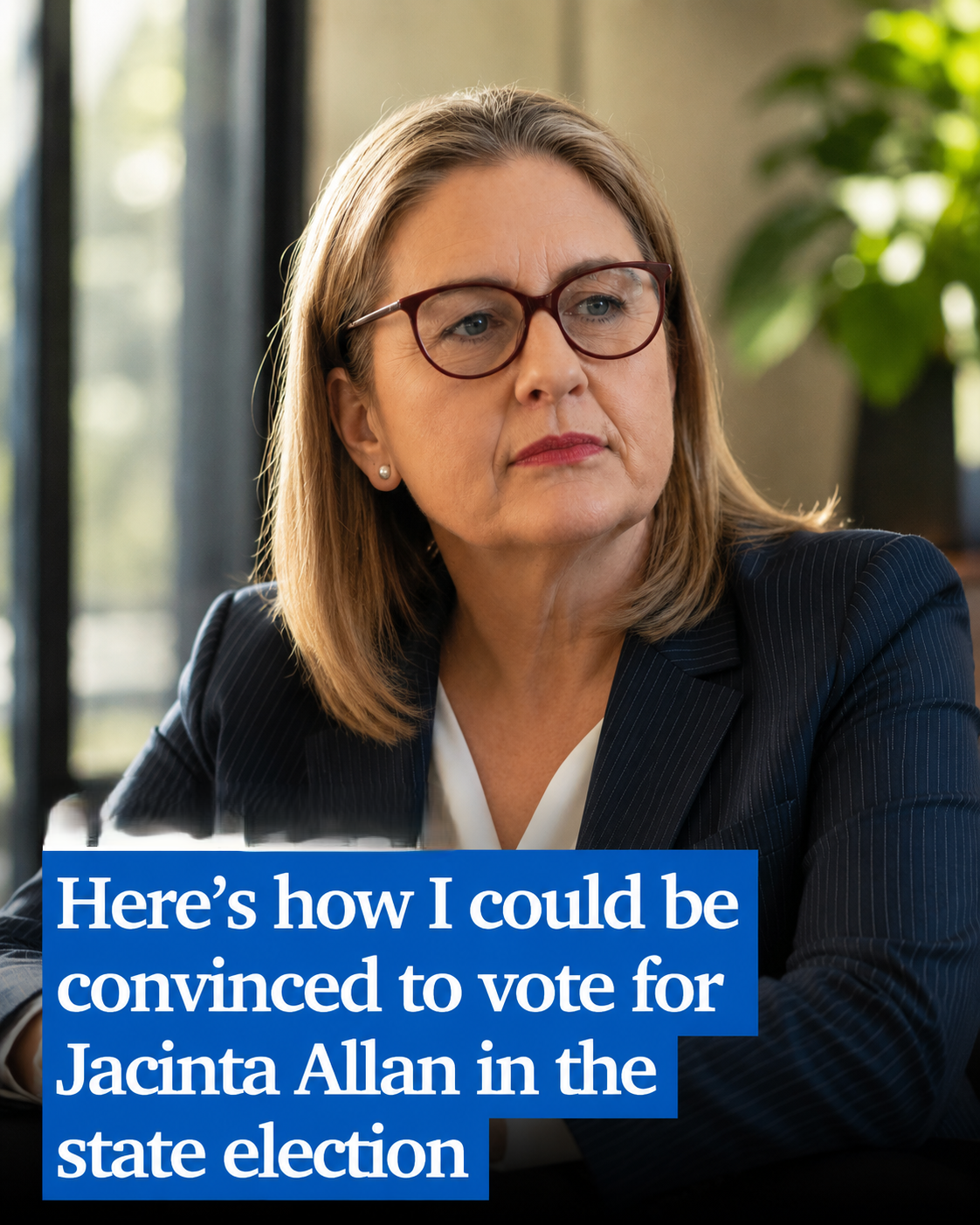
At the same time, public debate has intensified around healthcare waiting lists, transport infrastructure, community safety and government spending.
These are not unique challenges.
Governments throughout Australia and across the developed world are confronting similar pressures.
However, incumbent administrations are typically judged more harshly because voters expect them to provide solutions rather than explanations.
For Jacinta Allan, that reality creates both risks and opportunities.
On one hand, Labor can point to major infrastructure projects, investments in healthcare, education spending and programs designed to support economic growth.
Supporters argue that governing a state the size of Victoria inevitably involves difficult decisions and long-term planning. They contend that many of the benefits of current policies may only become fully visible over time.
Critics, however, argue that voters are more concerned with their everyday experiences.
When people struggle with housing affordability, rising costs or access to services, they often evaluate governments based on immediate outcomes rather than future promises.
That tension lies at the centre of the upcoming election campaign.
The government will likely ask voters to focus on stability, experience and continuity.
The opposition will likely ask voters whether they believe enough progress has been made to justify another term.
Political history suggests these contests are rarely decided by a single issue.
Instead, elections are often shaped by an overall impression of whether voters feel their state is moving in the right direction.
That perception can be influenced by dozens of factors.
Economic confidence matters.
Public services matter.
Infrastructure matters.
Community safety matters.
Leadership itself also matters.
For Allan personally, the campaign represents an opportunity to establish a stronger direct connection with voters.
Although she inherited the premiership from Daniel Andrews, the upcoming election will be viewed by many as the first major statewide verdict delivered specifically on her leadership.
That distinction is important.
Voters often judge successor leaders differently once they have had time to define their own political identity.
The election therefore becomes not only a referendum on Labor’s record but also a test of whether Allan has successfully convinced Victorians that she offers a compelling vision for the future.
The opposition sees an opening.
After years in opposition, Coalition figures argue that voter fatigue is becoming increasingly evident. They believe concerns about debt levels, government priorities and service delivery have created an environment in which change is possible.
At the same time, smaller parties and independents are seeking to capitalise on frustration with the major parties.
This trend has become increasingly visible across Australian politics.
More voters than ever appear willing to explore alternatives when they feel traditional parties are not addressing their concerns.
That dynamic could make the Victorian election particularly unpredictable.
Instead of a straightforward contest between Labor and the Coalition, the campaign may involve multiple parties competing for dissatisfied voters.
As a result, every seat becomes more important.
Every policy announcement attracts greater scrutiny.
Every leadership decision carries greater political consequences.
The months ahead will likely feature intense debate about spending priorities, infrastructure, healthcare, crime, education and economic management.
But beneath all those individual issues sits a simpler question.
Do Victorians believe the current government deserves another four years?
That is ultimately the question Jacinta Allan must answer.
Not through speeches alone.
Not through campaign slogans.
But through convincing enough voters that the future she is offering is more appealing than the alternatives being presented.
As election day approaches, that challenge may become the defining political story in Victoria.
The government’s supporters believe another term would provide the stability needed to complete major reforms and projects already underway.
Its critics believe the election represents an opportunity for a new direction.
The voters, as always, will decide which argument proves more persuasive.






