A call to reopen the police station at Alpurrurulum in the remote Northern Territory has intensified following the alleged murder of a teenage girl, with federal special envoy Marion Scrymgour urging governments to improve safety and support for communities far from major centres.
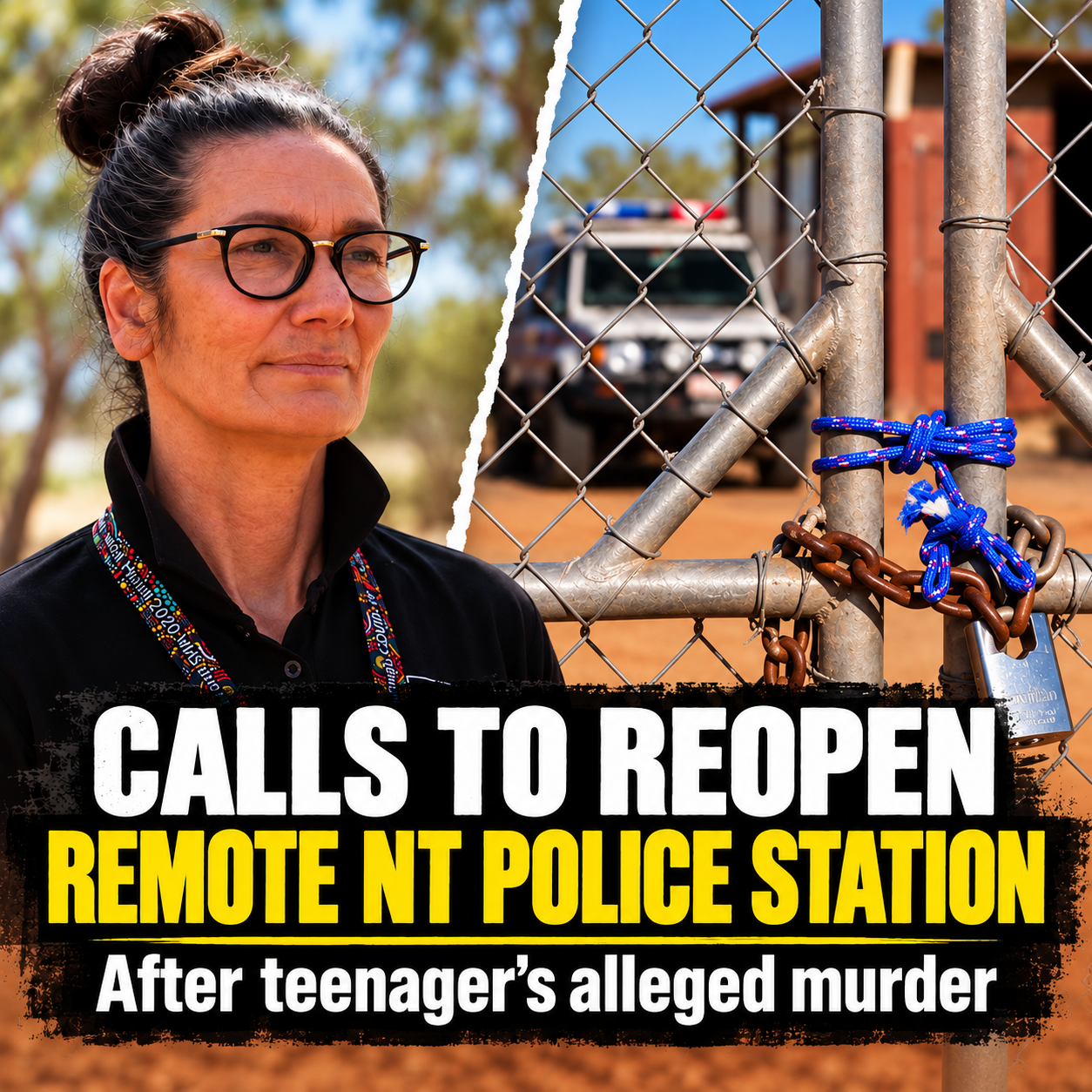
Scrymgour, who is also the federal member for Lingiari, has written to both the Commonwealth and Northern Territory governments seeking the reopening of the local police station. The building has been closed for an extended period, leaving residents concerned about access to police when urgent help is needed.
Alpurrurulum sits near the Northern Territory’s border with Queensland, a long distance from the Territory’s main population centres. The nearest police officers are based at Avon Downs, roughly 170 kilometres away. For people facing violence or an emergency, that distance can turn an already frightening situation into a practical problem of transport, communications and response capacity.
The push for better services follows the death of a 16-year-old girl in the community. A man has faced court charged with murder in connection with her death. The allegations will be determined through the criminal process, while the girl’s family and community deal with the loss.
Scrymgour has argued that remote communities lack the police, resources and infrastructure needed to protect people effectively. Her request focuses on the local absence of law enforcement, but it also connects to a broader debate about the way governments deliver services across remote Aboriginal communities.
For a remote community, the cost of an emergency response is not confined to the police budget. A long trip by road can require a suitable vehicle, fuel, staff time and reliable communication. If someone needs medical treatment or a safe place to stay, additional transport and accommodation may be required. In extreme circumstances, distance can affect how quickly help arrives. The absence of local services transfers much of the burden to families and community organisations, which may have little spare capacity to absorb it. That is why residents can experience a closed facility as an everyday safety problem rather than an administrative change on a government map.
Housing is closely linked to personal safety. A person experiencing violence may need somewhere secure to go immediately, not simply advice about obtaining accommodation elsewhere. Where housing is scarce or overcrowded, leaving an unsafe home can mean leaving children, work or community support behind. Temporary housing also has to be culturally appropriate and physically accessible. In remote communities, specialist services may be separated by long drives or flights. A police station could improve the capacity to respond to threats, but it cannot replace the safe accommodation and ongoing assistance that people need after the immediate danger has passed.
The health system faces similar constraints. Local clinics may be called on to treat injuries, provide mental-health support and arrange transfers to larger hospitals. Clinicians can help identify when a patient needs protection, but they cannot guarantee that police or specialist social workers will be available nearby. Language and trust are also central to care. A service that operates without community involvement may be less likely to reach people who need it most. Aboriginal health organisations have called for support designed with communities so that medical care, counselling and practical safety arrangements reinforce one another rather than leaving gaps.
The Aboriginal Medical Services Alliance Northern Territory has called for stronger investment in domestic, family and sexual violence services for women and children. Health providers may be among the most accessible sources of help in isolated places, yet a clinic cannot replace police, specialist counselling, safe accommodation or emergency protection.
For people affected by violence, having an emergency number is only one part of finding safety. They may need a secure place to stay, a way to leave the community, medical attention, legal advice and ongoing support from people they trust. Each of those services becomes harder to reach when distance is great and transport options are limited.
Funding arrangements can complicate the response. The Northern Territory is responsible for policing, while Commonwealth agencies help fund a range of health, housing and remote-community programs. Non-government providers and Aboriginal community-controlled organisations also deliver services. Where the responsibilities overlap, it may be unclear who will pay for transport, staffing, buildings or specialist assistance. That uncertainty should not mean residents have to coordinate the entire system themselves. Scrymgour’s intervention brings those institutional responsibilities into focus by asking governments to act on a tangible gap in local law enforcement.
Reopening a remote police station is more expensive than unlocking a door. Officers need somewhere to live, vehicles suited to long journeys, reliable technology and arrangements for relief and supervision. Retaining staff can be difficult when housing and family services are limited. A station with a sign outside but no consistently available officers could fail to provide the protection residents expect. Those challenges are real, yet they make planning important rather than removing the need to decide whether the community requires a permanent policing presence or a different dependable arrangement.
The same logic applies to other services essential to economic participation. A family may be unable to keep a job or attend training if travelling to medical appointments consumes days or if children cannot safely reach school. Repairing a vehicle or maintaining internet and phone connections can be unexpectedly costly in an isolated location. Transport and communications therefore belong in the discussion about safety: they shape whether people can contact emergency responders, reach a refuge or remain connected to a support worker. Where infrastructure is unreliable, the financial effects of an incident can spread quickly through a household.
Aboriginal health organisations have stressed the importance of working with communities on the design of services. Local knowledge can help identify the barriers that keep people from seeking assistance, including privacy concerns, language needs and the fear of not being believed. Services are most useful when residents can access them without facing further harm or stigma.
There are also difficult questions about responsibility. The Northern Territory government operates the police service, while federal funding and broader remote-services programs can involve multiple agencies. Scrymgour has criticised the fragmented approach to service delivery, arguing that residents should not be left without effective help while governments debate which institution is responsible.
Advocates have also called attention to the need for early intervention. Support delivered only after a serious incident may do little to address patterns of coercion or escalating violence. Community-led education, confidential counselling, safe accommodation and accessible legal services can help people seek assistance before a crisis develops. These programs need staff, sustained funding and trust to be effective. They should not be treated as substitutes for law enforcement, and police presence alone cannot supply the continuing support that a survivor or family may require.
There is a risk that a single high-profile tragedy prompts a short burst of attention without a durable funding decision. Remote-service programs have to account for maintenance, staff turnover and long-term community needs rather than concentrating solely on the cost of opening a facility. Governments can publish policies and commitments, but residents ultimately measure their effectiveness by whether a trained person answers, a vehicle arrives and a safe destination is available. That practical standard makes the Alpurrurulum request concrete: the community wants a dependable way to obtain protection, not another discussion of abstract responsibility.
The allegation involving the teenager’s death belongs before the court, where the criminal charge must be considered on its evidence. The wider questions about service access do not depend on predicting that outcome. They concern a community that has been without a local police station for a prolonged period and health organisations calling for more comprehensive protection of women and children. Scrymgour has asked two levels of government to respond. Whether they fund a reopened station, a different local model or additional specialist services, the measure of success will be safety that people can use when they most need it.
Reopening a station would involve more than unlocking the building. Police would need staff, accommodation, vehicles, reliable communications and support arrangements suited to a remote setting. Governments would also need to explain how policing would work alongside health and domestic violence services, rather than treating either as a substitute for the other.
For the people of Alpurrurulum, the request is about practical safety. Scrymgour wants governments to put police back in the community, and health organisations want more support for women and children exposed to violence. Those calls have not yet produced an announced reopening. They have, however, put a very specific demand before the authorities responsible for protecting remote communities.






