Australia’s long-running tobacco tax policy is facing renewed scrutiny after economists, retailers and law enforcement agencies raised concerns that soaring cigarette prices may be strengthening the country’s illicit tobacco market rather than reducing smoking.
The debate has intensified following calls from economist Richard Holden, who argues Australia’s tobacco excise has reached a point where it is no longer producing the outcomes policymakers originally intended. Instead of encouraging smokers to quit, he believes the widening price gap between legal and illegal cigarettes has fuelled a booming black market controlled by organised crime.
Australia now has some of the highest cigarette prices in the world because of repeated increases in tobacco excise over many years. Supporters of the policy argue higher prices discourage smoking, particularly among young people, and have contributed to a long-term decline in smoking rates over previous decades.
Critics, however, say the situation has changed dramatically as illegal tobacco has become increasingly accessible. According to recent estimates cited during the debate, a large majority of nicotine products consumed in Australia during 2025 may have been purchased through the black market rather than licensed retailers. Illegal cigarettes can often be sold for a fraction of the price of legal products, creating a powerful financial incentive for smokers to switch rather than quit.
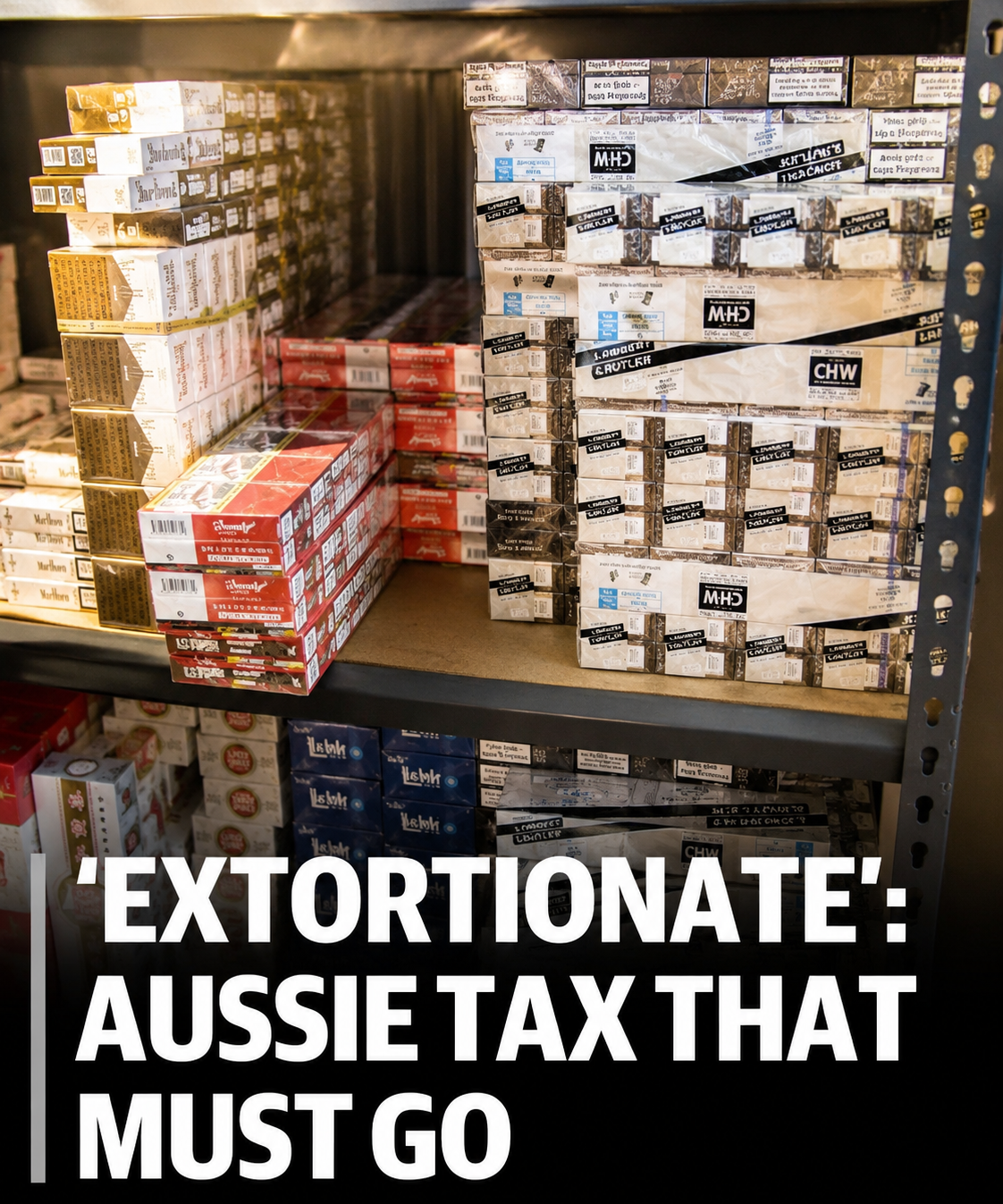
Holden argues that enforcement alone cannot solve the problem because criminal networks quickly replace illegal supply whenever authorities shut down individual operations. He has suggested a temporary and substantial reduction in tobacco excise—even proposing a temporary zero excise—as a way of making legal cigarettes competitive enough to undercut illicit sellers before gradually rebuilding the tax system. He contends that reducing the profitability of illegal tobacco would weaken organised crime more effectively than continued tax increases.
The federal government rejects that approach. Ministers maintain that tobacco excise remains one of Australia’s most effective public health measures and argue that lowering taxes could encourage greater tobacco consumption. Instead, the government says it will continue strengthening border enforcement, increasing penalties for illegal tobacco trafficking and expanding investigations targeting organised criminal syndicates.
The issue has drawn attention from well beyond the economics profession. Police agencies, Border Force officials, retailers and several state governments have all expressed concern about the rapid growth of illegal tobacco sales and the violence linked to the trade. In recent years, numerous tobacco stores across Australia have been targeted in arson attacks, extortion attempts and organised crime disputes connected to the illicit market.
Public health experts remain divided over the best response. Some warn that reducing cigarette taxes could reverse decades of progress in lowering smoking rates, particularly among younger Australians. Others acknowledge that the expanding black market presents a serious challenge but argue stronger enforcement, licensing reforms and tougher criminal penalties would be preferable to reducing excise.
The debate also carries significant implications for government finances. Tobacco excise has historically generated billions of dollars in revenue, although receipts have fallen sharply as legal cigarette sales declined and illegal products captured a larger share of the market. That trend has increased pressure on policymakers to determine whether current settings remain sustainable over the long term.
For smokers, any change in policy could have a direct effect on retail prices. For governments, the challenge is balancing two competing objectives: discouraging tobacco use to improve public health while preventing organised crime from dominating the market. Finding that balance has become increasingly difficult as illegal tobacco continues to expand.
At this stage, the Albanese government has given no indication it intends to reduce tobacco excise. Nevertheless, growing calls from economists, retailers and some political figures suggest the discussion is likely to remain active as Australia searches for a strategy capable of addressing both public health goals and the rapidly growing illicit tobacco trade.






