Australia’s last remaining woman linked to Islamic State who was previously prevented from returning home is now expected to travel back after the federal government determined it could no longer legally enforce the order blocking her entry.
The decision concerns Hodan Abby, an Australian citizen who travelled to Syria in 2015 and remained there after the collapse of Islamic State. Although she had been subject to a Temporary Exclusion Order on national security grounds, Home Affairs Minister Tony Burke said legal advice made clear that once a valid application for a return permit was lodged, the government was required to issue one under the existing legislation.
Burke said the decision should not be interpreted as a relaxation of Australia’s approach to national security. Instead, he explained that the government’s focus had shifted to imposing the toughest lawful conditions available to manage any potential risks once Abby returns to Australia. Those conditions include extensive monitoring, strict reporting requirements and significant limits on communications and movement.
Among the conditions announced by the government are requirements for advance approval before using certain communication devices, obligations to notify authorities about travel and changes of address, and ongoing supervision by security agencies. Officials described the arrangements as the strongest monitoring framework available under current Australian law.
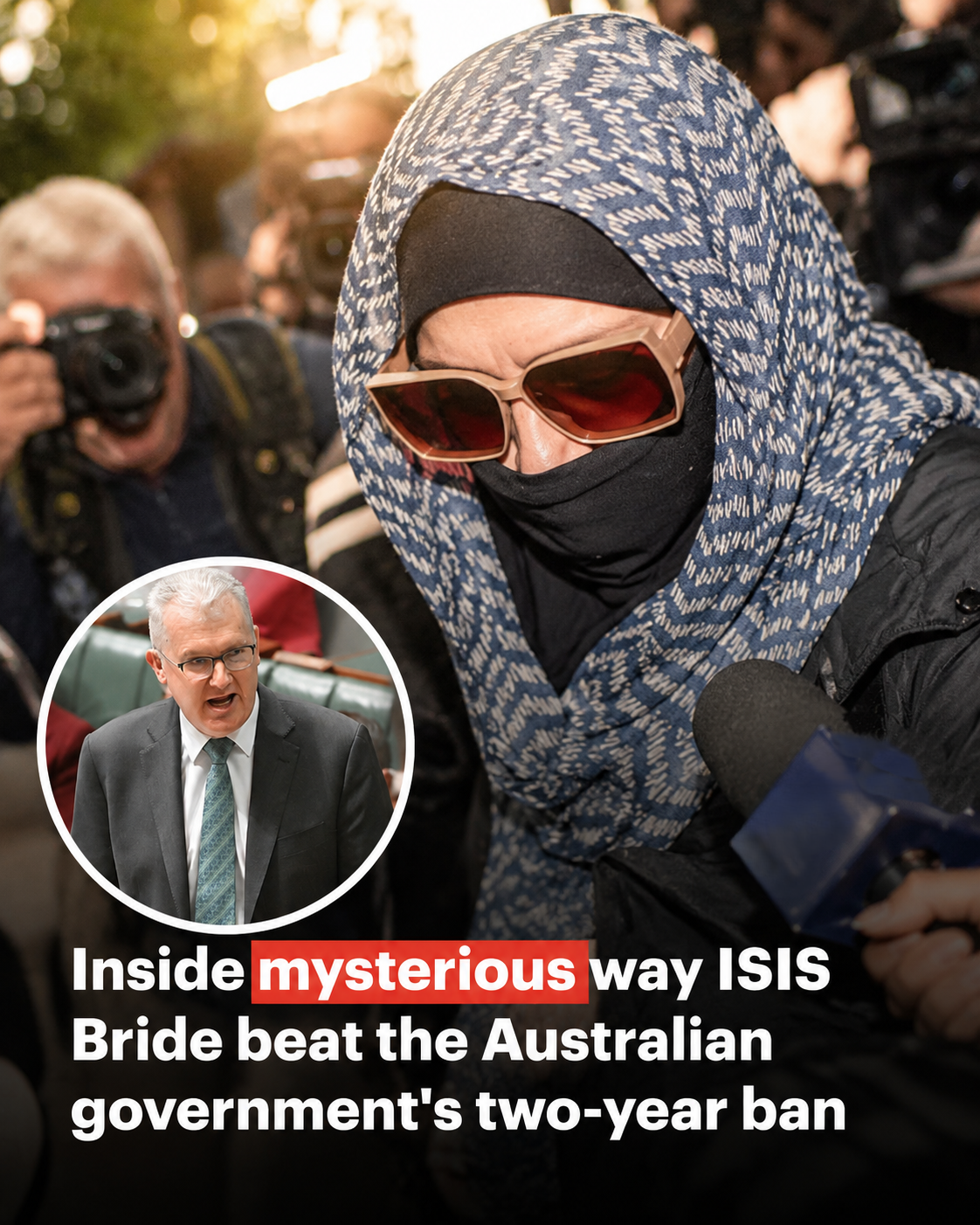
The case has attracted national attention because Abby was the final Australian woman still overseas after a series of earlier government repatriation operations that returned other women and children from camps in north-eastern Syria. For several years she remained unable to return while legal, diplomatic and security issues were being considered.
Government officials also confirmed that Abby’s young daughter is expected to return with her. The child reportedly requires ongoing medical treatment after suffering injuries while living in the conflict zone. Humanitarian organisations have previously argued that children in the camps should not remain there indefinitely because of deteriorating living conditions and limited access to healthcare.
The decision has prompted criticism from some opposition politicians, who questioned whether Australia’s current laws provide sufficient protection when citizens who travelled to join extremist groups seek to return. Several have called for bipartisan discussions about strengthening the legislation governing temporary exclusion orders and post-return monitoring.
Security agencies, however, have sought to reassure the public that they are prepared for Abby’s arrival. ASIO Director-General Mike Burgess said the agency has extensive experience managing complex national security cases and expressed confidence that any potential risks can be addressed through the legal powers currently available. An Australian Federal Police investigation also remains ongoing.
Legal experts have noted that the case has exposed uncertainty within the Temporary Exclusion Order framework. Some argue the legislation does not give ministers broad discretion to refuse a valid return application indefinitely, particularly when the applicant is an Australian citizen. That legal interpretation became a key factor in the government’s decision to issue the permit.
The case also highlights the broader challenge facing governments after the collapse of Islamic State. Countries must balance national security concerns with their legal obligations towards citizens who remain overseas, while determining what conditions should apply if those individuals are eventually repatriated.
For now, Abby’s return has been approved, but it will take place under exceptional security measures rather than without restrictions. Questions about whether Australia’s laws should be amended to deal with similar cases in the future are expected to remain part of the national political debate long after her arrival.






