Australia’s Housing Tax Revolution Could Change Who Wins And Loses In The Property Market
For decades, property has been one of Australia’s favourite ways to build wealth.
Families invested in rental properties.
Investors relied on tax concessions.
Governments encouraged private investment to help supply housing.
And many Australians viewed real estate as the safest path toward long-term financial security.
That model is now facing one of its biggest challenges in years.
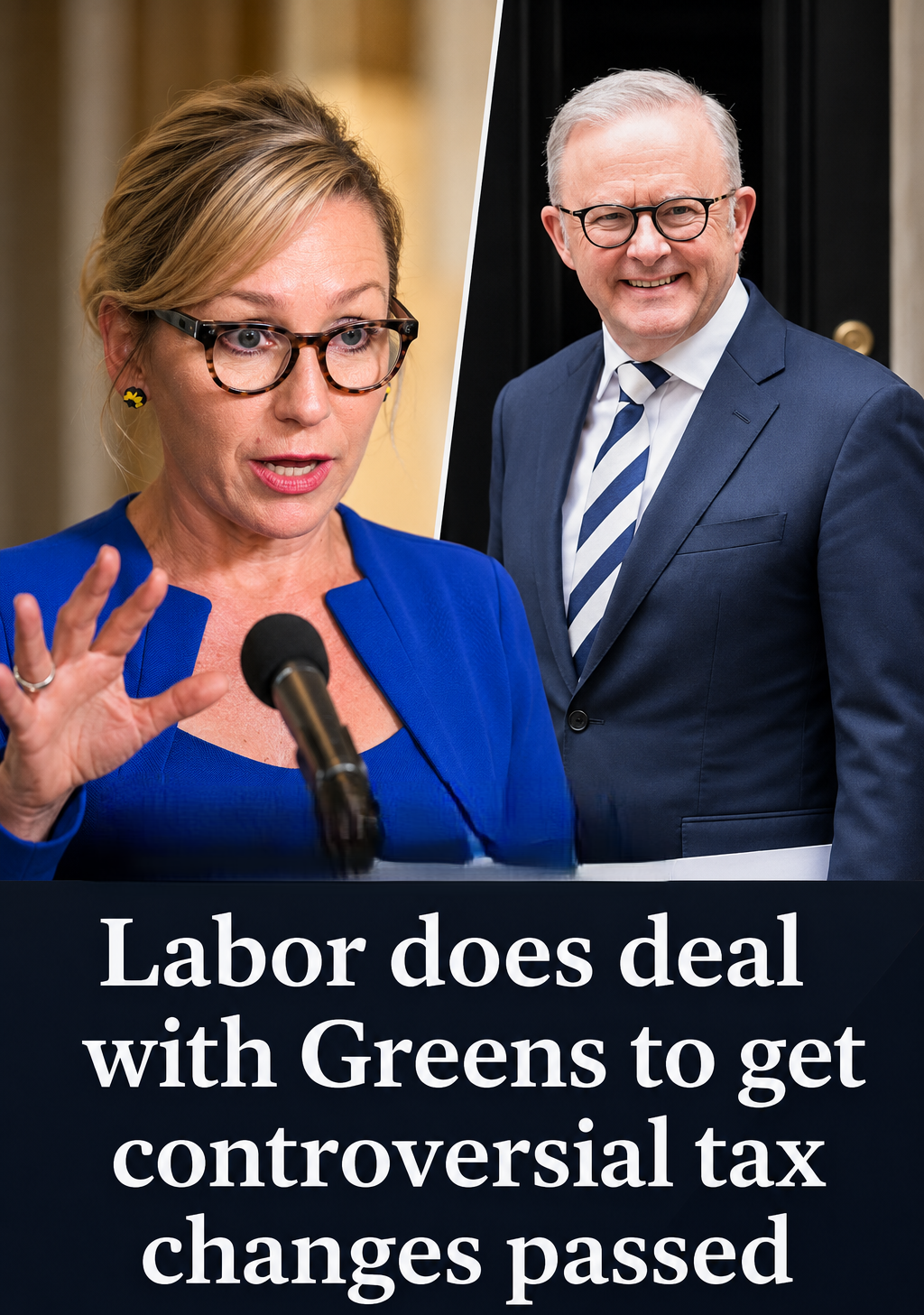
After negotiations between Labor and the Greens, major reforms to capital gains tax and negative gearing are set to pass Parliament. The agreement represents one of the most significant changes to housing-related tax settings in recent decades and could reshape how investors, home buyers and renters interact with the property market in the years ahead.
At the heart of the reforms is a fundamental question.
Should Australia’s tax system continue rewarding property investment in the same way it has for decades?
Or should policy shift toward making home ownership more accessible for future generations?
Supporters of the reforms argue that existing tax arrangements have contributed to a market where investors often enjoy advantages over first-home buyers.
They believe reducing some of these incentives could help younger Australians compete more effectively for housing and improve affordability over time.
The legislation proposes replacing the long-standing 50 per cent CGT discount with a system based on inflation-adjusted gains while also restricting negative gearing on residential property investments to new housing developments from July 2027. Existing investments will generally be protected under grandfathering provisions.
Government ministers have argued that these changes restore the original purpose of capital gains taxation by taxing real gains rather than inflation-driven increases in asset values. They also contend the reforms encourage investment into new housing supply rather than existing homes.
Yet critics warn that housing markets rarely react in predictable ways.
Property investment decisions are influenced by taxation, interest rates, population growth, construction costs and economic confidence.
When governments alter one part of the system, ripple effects often spread throughout the entire market.
Some investors fear reduced returns could discourage investment activity, particularly in established housing stock. Others argue fewer investors could ultimately reduce rental supply if demand remains strong.
The reforms arrive during a period when housing affordability has become one of Australia’s most politically sensitive issues.
Home ownership rates among younger Australians have been under pressure for years.
At the same time, rental markets in many cities remain extremely tight.
Governments therefore face a difficult balancing act.
Policies that help aspiring home buyers may create concerns among investors.
Policies that protect investors may generate criticism from those locked out of the housing market.
Finding a solution that satisfies everyone has proven extraordinarily difficult.
The latest agreement also demonstrates the growing influence of minor parties in Australian politics.
Labor required Senate support to pass its legislation, giving the Greens significant negotiating power.
In exchange for backing the reforms, the Greens secured amendments aimed at closing self-managed superannuation fund borrowing arrangements used for residential property investment and negotiated changes connected to other legislative priorities.
Interestingly, even after securing concessions, the Greens continued arguing that the reforms do not go far enough.
They maintain that existing grandfathering arrangements preserve substantial benefits for many property investors and limit the immediate impact on housing affordability.
Meanwhile, opponents of the package argue the reforms risk undermining investment confidence and creating unintended economic consequences.
Business groups, investment organisations and some economists have raised concerns about the speed of implementation and the broader effects on entrepreneurship, capital formation and housing markets.
The uncertainty is reflected in the property market itself.
Analysts are closely watching auction clearance rates, investor participation levels and housing prices for signs of how buyers and sellers are responding.
Some forecasts suggest a period of adjustment may already be underway as investors reassess long-term strategies under the new tax environment.
However, housing policy is rarely judged by its immediate effects.
The true test will be whether the reforms achieve their stated goals over the next decade.
Will more Australians become homeowners?
Will housing affordability improve?
Will rental supply remain sufficient?
Will investment capital shift toward new housing construction?
Those questions remain unanswered.
What is clear is that Australia is entering a new phase of housing policy.
For years, debate focused on whether negative gearing and CGT concessions should change.
Now the conversation is shifting toward what happens after the changes arrive.
The outcome will affect investors, renters, aspiring homeowners and future governments alike.
Because while tax reforms may begin in Parliament, their real impact is ultimately measured in suburbs, rental markets and family budgets across the country.






