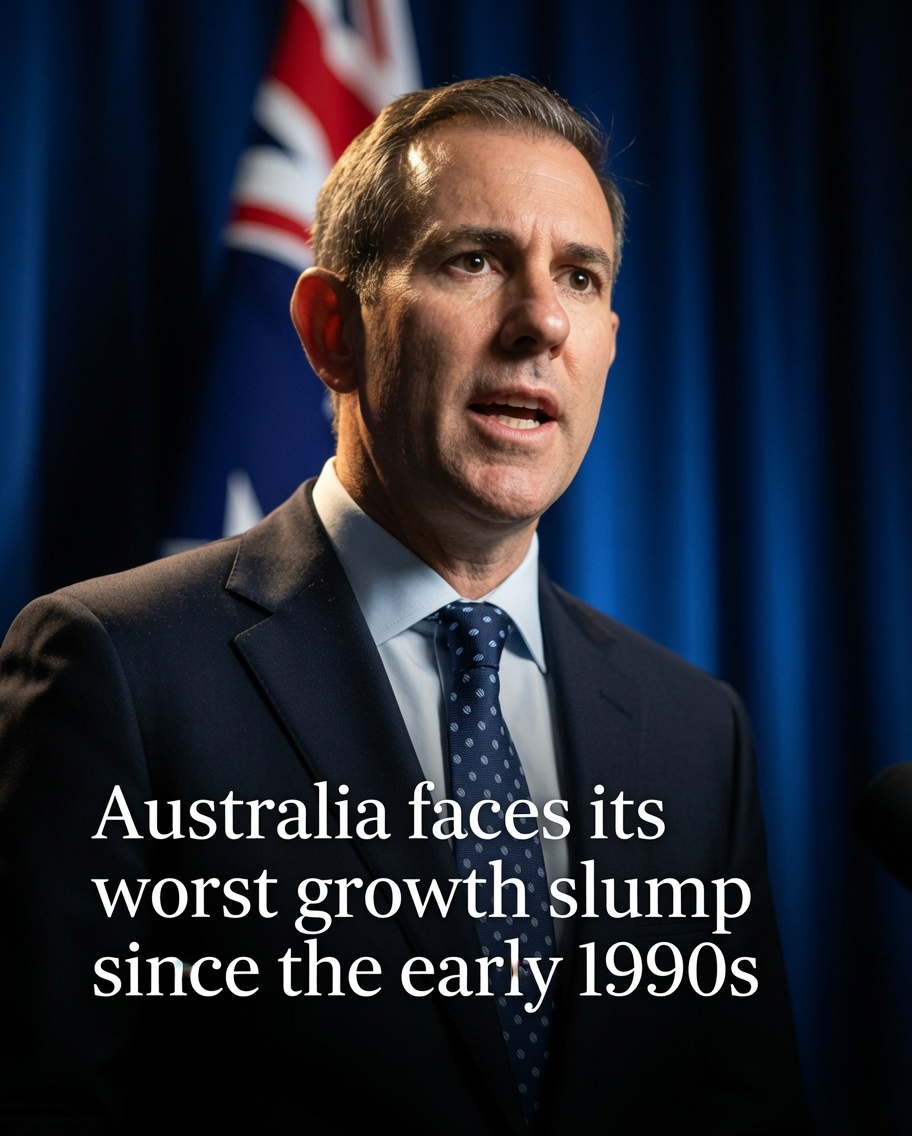
Australia’s economy is expected to expand by only 1.3 per cent during the current financial year, according to published economic forecasts, highlighting continued challenges from weak productivity, subdued investment and slowing business activity.
Economists say the outlook reflects a combination of domestic and international pressures affecting economic performance. Slower business investment, weaker productivity growth and cautious household spending have combined to reduce expectations for overall economic expansion as policymakers continue balancing inflation control with sustainable growth.
Productivity—the amount of economic output generated for each hour worked—has become one of Australia’s most closely watched economic indicators. Economists generally regard sustained productivity growth as one of the most important drivers of higher wages, stronger business profitability, improved living standards and long-term economic prosperity.
Business investment also plays a critical role in supporting future growth. Investment in new equipment, technology, infrastructure and workforce development can improve productivity over time, while weaker investment may limit the economy’s ability to expand and compete internationally.
The Reserve Bank of Australia continues monitoring inflation, labour market conditions, consumer spending and economic activity when determining monetary policy. Financial markets regularly assess whether future interest rate decisions will be required to balance inflation objectives with broader economic growth and employment.
Economic analysts note that Australia’s outlook is also influenced by global conditions. International trade, commodity prices, geopolitical uncertainty, financial market movements and economic performance among major trading partners can all affect domestic growth prospects.
The Federal Government has argued that its economic policies are intended to support long-term productivity through investment, infrastructure, skills development and targeted reforms. Opposition parties and business organisations have proposed alternative approaches, with debate continuing over taxation, regulation, workplace relations, energy policy and incentives for private investment.
Many economists believe improving productivity will require a combination of public and private sector reforms rather than any single policy change. Areas frequently identified include infrastructure investment, education and training, technological innovation, regulatory efficiency, housing supply, workforce participation and business competitiveness.
While Australia’s economy continues to grow, albeit at a slower pace, analysts expect productivity and investment to remain central topics in economic policy discussions over the coming months. Governments, businesses and financial institutions will continue monitoring new economic data as they assess the country’s prospects for stronger and more sustainable long-term growth.






