Large Ashura processions held across Sydney, Melbourne and Adelaide have generated widespread discussion after videos and photographs circulated online, prompting debate about the role of public religious events in Australia’s multicultural society.
The annual processions, organised by members of Australia’s Shia Muslim community, commemorate Ashura, a day of mourning marking the death of Imam Hussain, the grandson of the Prophet Muhammad. While the events have been held for many years and are conducted under permits issued by local authorities, this year’s gatherings attracted renewed public attention after footage spread rapidly across social media.
Critics argued that large-scale religious marches through busy city streets can inconvenience residents and create concern among people unfamiliar with Ashura traditions. Some commentators questioned whether major public roads should be closed for religious events, while others said highly visible mourning rituals are better suited to dedicated religious venues rather than central business districts.
Supporters of the processions responded that Ashura commemorations have formed part of Australia’s religious landscape for many years and are protected under the country’s laws on freedom of religion and peaceful assembly. Organisers said the marches are conducted in cooperation with police and local authorities, follow approved routes and are intended to commemorate historical events rather than intimidate or provoke the wider community.
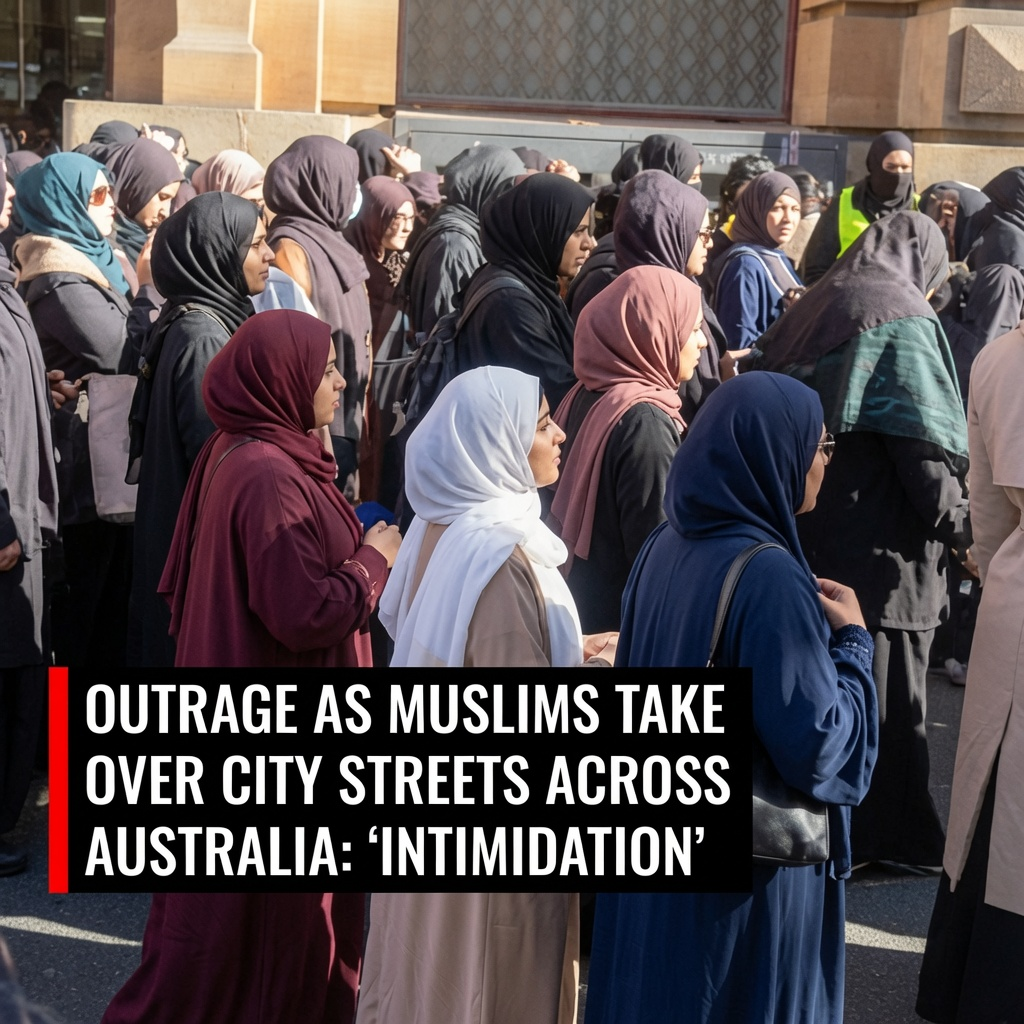
One of the most discussed moments occurred in Melbourne, where the procession again passed St Patrick’s Cathedral. Images from that location circulated widely online, leading some commentators to claim the cathedral had been deliberately targeted. The Catholic Archdiocese of Melbourne rejected that interpretation, explaining that the meeting between church representatives and Shia community leaders had been arranged in advance as a gesture of mutual respect. The Archdiocese said religious freedom and peaceful coexistence remain important values for all faith communities in Australia.
Shia representatives also defended the event, saying the procession has followed the same approved route for years and that online videos often present only a brief section of a much longer march. They said organisers have continued working with church representatives and public authorities to minimise misunderstandings and encourage constructive dialogue between different faith communities.
The annual Ashura commemorations are not unique to Australia. Similar public processions take place in cities around the world, including London, New York and other major international centres with established Shia Muslim communities. In Australia, events are regularly organised in Sydney, Melbourne and Adelaide and involve volunteers, traffic management and coordination with emergency services.
The public discussion has highlighted broader questions about how multicultural societies balance freedom of religion with the shared use of public spaces. Some Australians believe public expressions of faith enrich civic life and reflect the country’s cultural diversity. Others argue governments should carefully consider the scale, location and impact of major public religious gatherings to ensure they minimise disruption to the wider community.
Legal experts note that Australian governments generally assess public events according to public safety, traffic management and permit requirements rather than the religious or political views of participants. Organisers of large gatherings, regardless of faith or community, are expected to comply with local regulations and work closely with authorities before events proceed.
As discussion continues online, the differing reactions illustrate how questions surrounding religion, multiculturalism and public space remain among the most debated issues in Australian public life. While opinions vary significantly, the recent Ashura processions have once again drawn attention to the challenges of balancing religious freedom, community expectations and social cohesion in an increasingly diverse society.






