Are Drivers Trusting Vehicle Technology More Than They Should?
A tragic crash in Texas has once again reignited one of the biggest questions facing the automotive industry.
How much should drivers trust modern vehicle technology?
And where does human responsibility end when advanced driver-assistance systems are involved?
These questions have become increasingly important as cars become more sophisticated and automation plays a larger role in everyday driving.
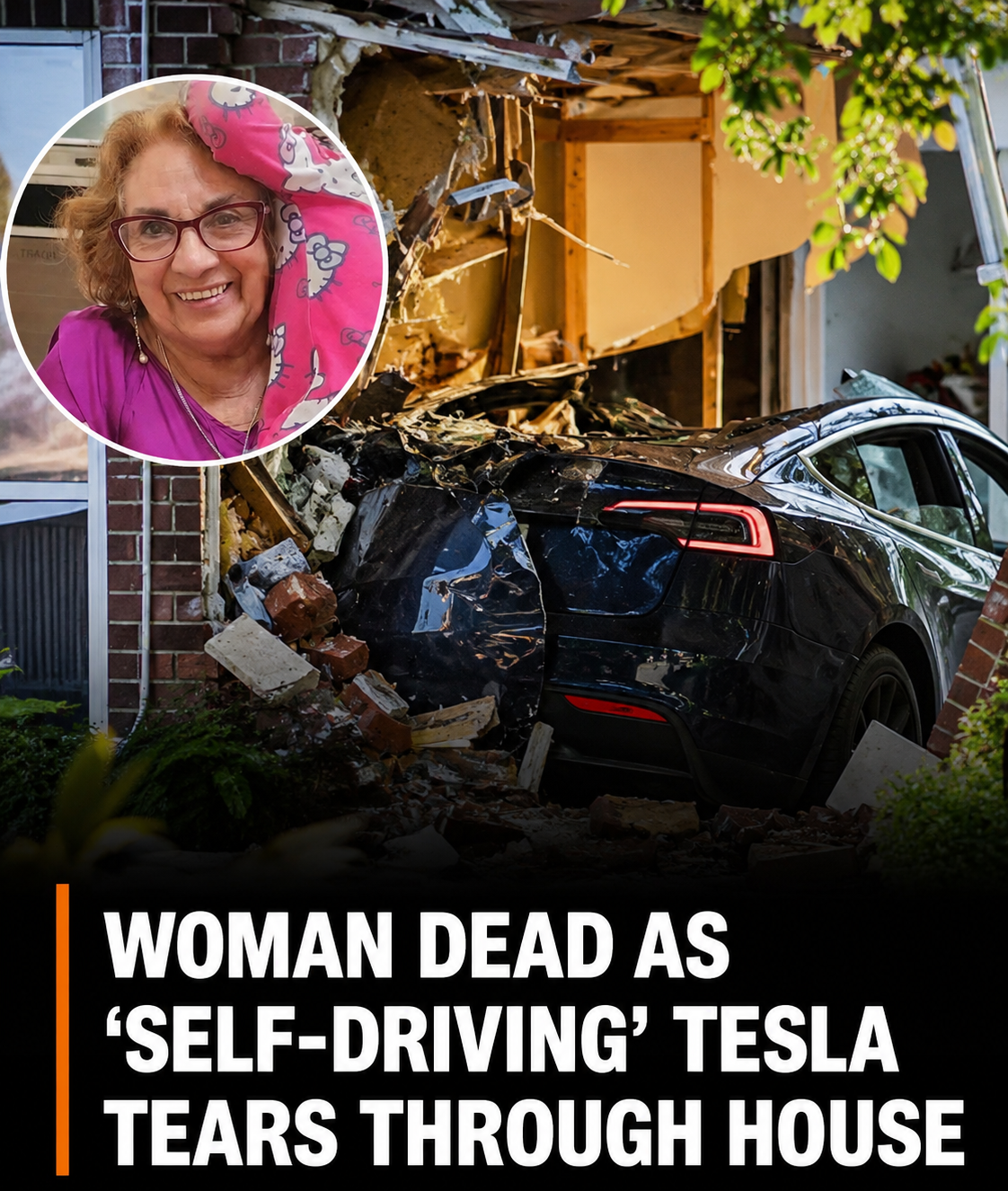
Authorities in Texas are investigating a crash in which a Tesla Model 3 left a residential road, crashed through a home and fatally injured a 76-year-old grandmother who was inside the house. The driver told investigators that an automated driving assistance system was engaged at the time of the incident, although investigators are still determining exactly what occurred in the moments before the crash.
The incident immediately attracted international attention because it touches on a debate that extends far beyond a single vehicle manufacturer.
Across the automotive industry, advanced driver-assistance systems are becoming increasingly common.
Lane-keeping assistance.
Adaptive cruise control.
Automatic emergency braking.
Traffic-aware driving features.
Various forms of semi-automated driving assistance are now available in millions of vehicles worldwide.
Supporters argue these technologies can reduce human error, which remains the leading cause of most road crashes.
They point to evidence that modern safety systems can help prevent collisions, reduce fatigue during long journeys and provide additional layers of protection for drivers and passengers.
Manufacturers across the industry continue investing billions of dollars into these technologies because they believe automation has the potential to improve road safety over time.
Yet critics argue that a different risk may emerge.
As technology becomes more capable, drivers may begin relying on it more than intended.
Researchers studying human interaction with automation have repeatedly warned about what is sometimes called “automation complacency” — the tendency for people to become less attentive when systems perform well most of the time.
This challenge is not unique to cars.
It has been observed in aviation, industrial systems and many other environments where humans supervise advanced technology.
The better the system performs, the easier it can become for people to assume it will continue performing correctly in every situation.
However, most driver-assistance systems currently available are not designed to replace human drivers entirely.
They still require active supervision and intervention when necessary.
The distinction between assistance and autonomy remains one of the most important issues in the transportation sector.
The Texas crash has drawn additional scrutiny because federal authorities have opened an investigation into the circumstances surrounding the incident. Reports indicate investigators are examining both driver actions and the role of the vehicle’s assistance technology.
Regardless of the final findings, the case highlights a broader challenge facing regulators around the world.
Technology often develops faster than public understanding.
Many consumers encounter marketing terms such as “Autopilot,” “driver assistance” or “self-driving” and may interpret those terms differently from how engineers or regulators define them.
This can create confusion about what a vehicle is actually capable of doing.
Industry experts frequently emphasise that most systems currently available to consumers remain classified as driver-assistance technologies rather than fully autonomous vehicles.
The driver is still expected to monitor road conditions, maintain awareness and take control when required.
The debate has become more intense as artificial intelligence continues advancing.
Consumers are increasingly exposed to technologies that can perform tasks once reserved exclusively for humans.
As confidence in those systems grows, so does the need for clear communication about their limitations.
Road safety advocates argue that transparency may be just as important as technological innovation.
Drivers need to understand not only what their vehicles can do but also what they cannot do.
Even highly advanced systems can encounter unexpected situations, unusual road conditions or circumstances outside their design parameters.
Those edge cases often become the focus of safety investigations because they reveal how humans and machines interact under pressure.
The broader transportation industry is watching these developments closely.
Automated technologies are expected to play a growing role in future mobility systems.
Companies, regulators and researchers all share an interest in improving safety outcomes while maintaining public trust.
Achieving both goals will require ongoing testing, oversight, education and technological improvement.
The tragedy in Texas serves as a reminder that the transition toward increasingly automated transportation remains a work in progress.
Technology continues to evolve rapidly.
Human behaviour continues to evolve alongside it.
And the relationship between the two may ultimately determine how safe the roads of the future become.
For now, one lesson remains clear.
No matter how advanced vehicle technology becomes, understanding its capabilities—and its limitations—remains essential.






