Prime Minister Anthony Albanese remains at the centre of public discussion after comments he made during a podcast interview about Australian music icon Kylie Minogue prompted criticism and led to a public apology.
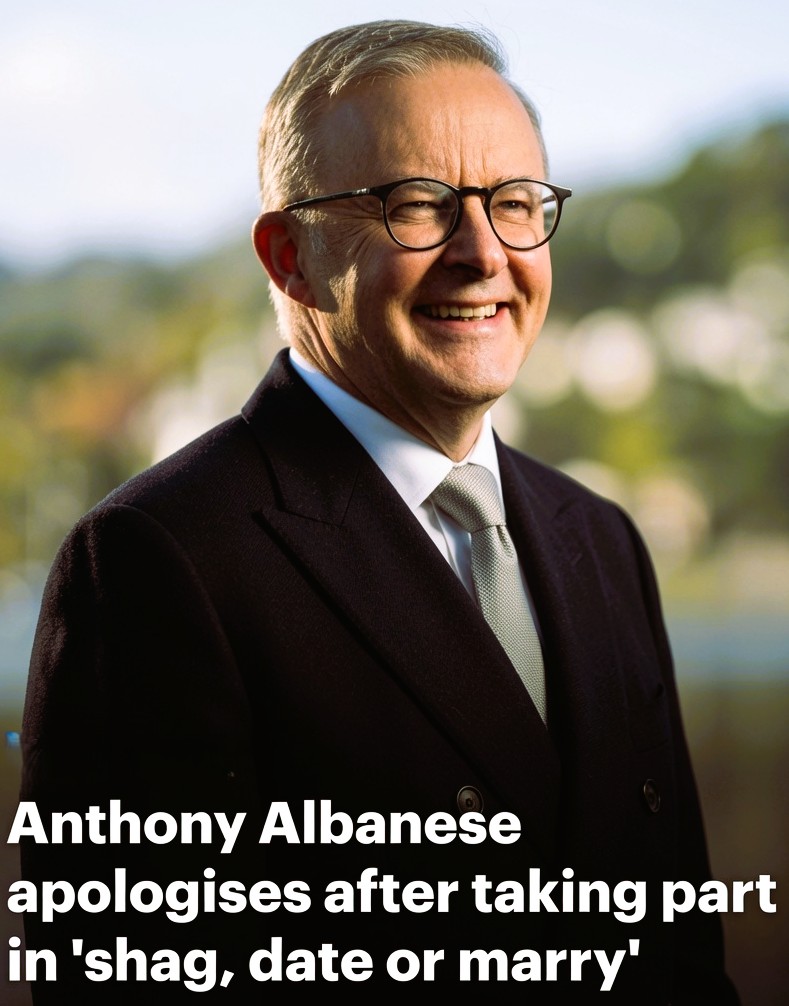
According to published reports, Albanese was asked to take part in a light-hearted “shag, marry or date” segment during the interview. He responded by saying “all of the above” and described Minogue as “terrific.” The remarks quickly attracted widespread attention, with critics arguing the language was inappropriate for Australia’s Prime Minister. Albanese later apologised publicly, acknowledging that his comments were a mistake.
The controversy has generated discussion across Australia’s political landscape about the expectations placed on elected leaders when participating in informal interviews. While podcasts often encourage relaxed conversation and spontaneous responses, commentators note that public office holders remain accountable for everything they say regardless of the setting.
Women in politics, political opponents and media commentators were among those who criticised the remarks, arguing that national leaders should demonstrate the same level of professionalism during entertainment-focused interviews as they do during official public appearances. Others observed that the rapid spread of podcast clips and social media posts means informal comments can quickly become major political stories.
Following the backlash, Albanese issued an unequivocal apology, stating that his response did not meet the standard he expected of himself. Political communication experts note that public apologies are an important aspect of democratic accountability, particularly when comments distract from broader policy discussions or attract significant public concern.
The incident has also highlighted the growing role of podcasts in Australian politics. Increasingly, political leaders appear on long-form digital platforms to engage audiences outside traditional news media. While these interviews can provide opportunities for more personal conversations, they also carry the risk that off-the-cuff remarks may overshadow broader political messages.
Analysts note that individual media controversies often dominate headlines for several days but that their long-term political significance is usually influenced by wider factors such as government performance, economic conditions, public confidence and policy outcomes. As a result, voters generally assess political leaders across a broad range of issues rather than a single interview.
The Albanese Government continues to focus on its broader legislative agenda, including housing affordability, taxation, healthcare, energy policy and cost-of-living measures. Even so, debate surrounding the podcast interview has remained part of the wider national conversation about leadership, communication and the standards expected of Australia’s elected representatives.
As politicians increasingly use podcasts and digital media to connect with voters, the episode serves as another example of how informal public appearances can quickly become subjects of national political debate. The Prime Minister’s apology has addressed the immediate controversy, but discussion about leadership standards and public expectations is likely to continue.






