A new political exchange has generated discussion after Liberal MP Andrew Hastie made critical remarks about One Nation leader Pauline Hanson during a public appearance, prompting debate about the relationship between Australia’s major and minor political parties.
According to published reports, Hastie used a comparison involving the fictional television character “Toadfish” from the long-running Australian series Neighbours while commenting on Hanson. The remarks quickly attracted attention across political and media circles and became the focus of broader discussion about party competition and political messaging.
Hastie has been mentioned by some commentators as a potential future leadership figure within the Liberal Party, although no leadership contest has been announced. His comments come during a period of renewed debate over the Liberal Party’s electoral strategy and its relationship with minor parties competing for similar groups of voters.
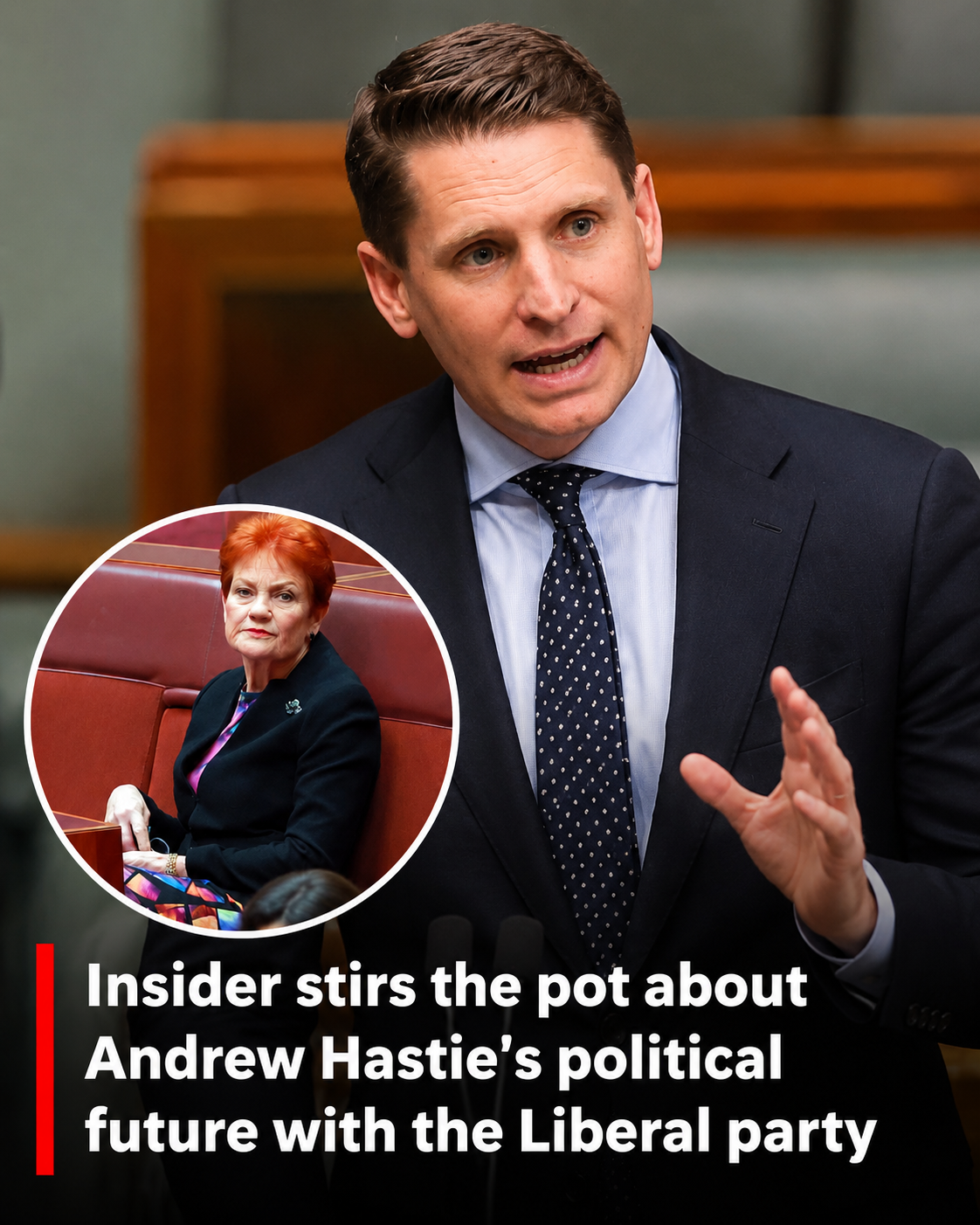
Pauline Hanson continues to lead One Nation as the party seeks to expand its electoral support. Recent opinion polls have suggested growing backing for One Nation in some parts of Australia, although polling experts caution that individual surveys represent snapshots of public opinion rather than predictions of election outcomes.
Political analysts note that criticism between major and minor party leaders is common during periods of heightened political competition. Public exchanges can help parties distinguish their policy positions and appeal to different voter groups, particularly on issues such as cost-of-living pressures, immigration, taxation and government accountability.
Supporters of the Liberal Party and One Nation often share concern about some of the same public policy issues while supporting different political approaches. As a result, political commentators say competition between the two parties can become particularly visible when both seek to attract similar segments of the electorate.
At this stage, the reported remarks remain part of the broader political debate rather than any formal parliamentary proceeding. Neither the comments nor the subsequent public reaction alter the official policy positions of either party, and both continue to campaign independently under their respective platforms.
Observers also note that media attention surrounding political personalities frequently increases during periods of discussion about future leadership or changing polling trends. Statements made by senior political figures are therefore often interpreted within the wider context of party strategy and electoral positioning.
As Australia’s political landscape continues to evolve, exchanges between party leaders are likely to remain a prominent feature of public debate. Ultimately, voters will assess party leadership, policies and performance through the democratic process at future elections.






