Concerns over the safety of Pauline Hanson have escalated after calls for increased protection were reportedly brushed aside, triggering a fresh political controversy and prompting a stark warning from commentator Andrew Bolt.
The dispute centres on claims that Hanson and her daughter, Lee Hanson, sought greater attention to a series of alleged death threats directed at the One Nation leader.
According to reports, supporters of Hanson believe the issue has not been treated with the seriousness it deserves, particularly given the increasingly hostile political climate surrounding high-profile public figures.
The controversy quickly moved beyond a discussion about personal security and into a broader debate about political violence, public discourse and the responsibilities of national leaders when threats emerge against elected representatives.
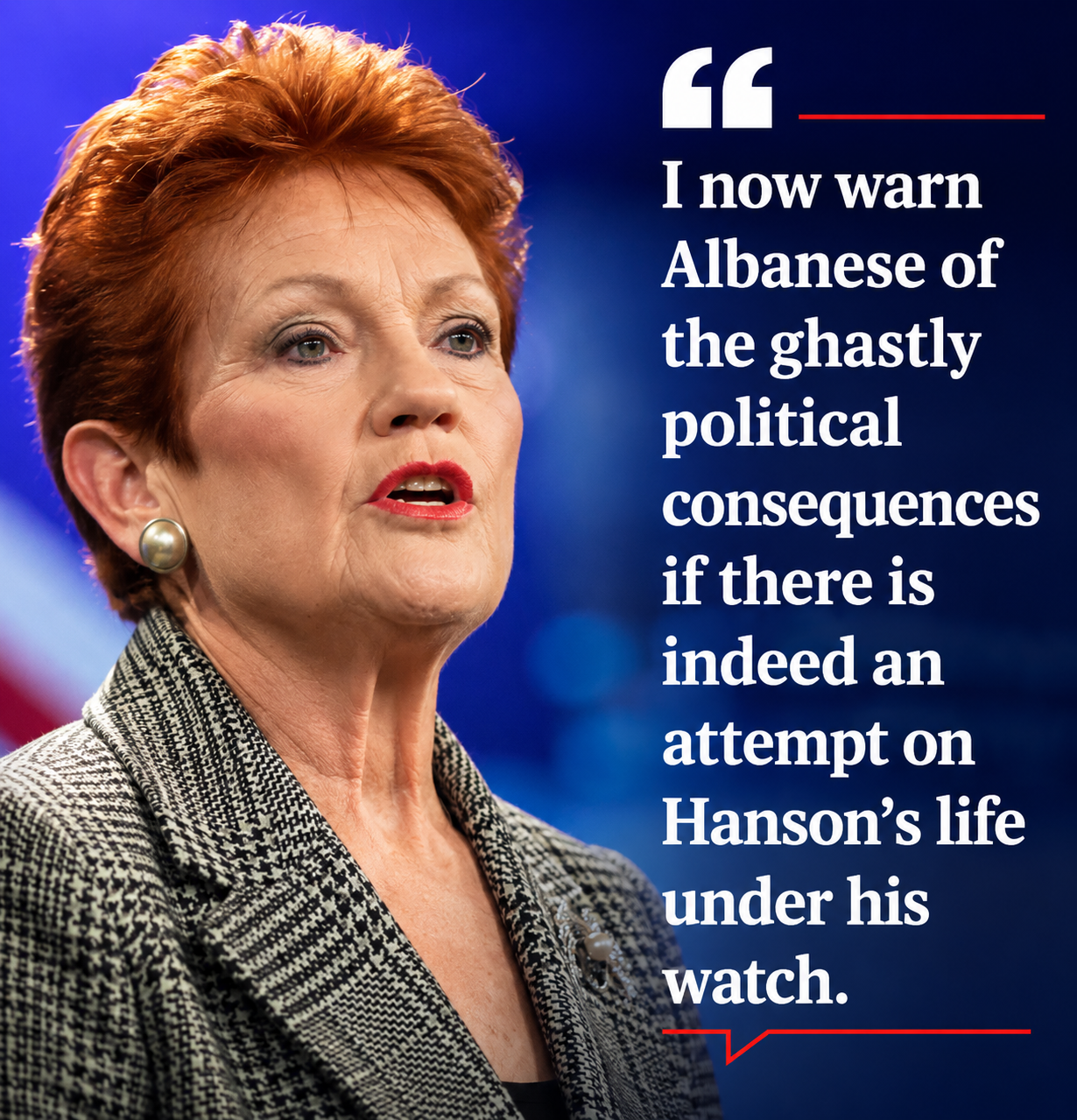
Andrew Bolt has since entered the debate, warning that dismissing concerns about threats against politicians can create a dangerous precedent.
His argument is not simply about one politician or one political party. Instead, it focuses on a broader principle: that threats and intimidation should be condemned regardless of who the target is.
The issue arrives at a time when Pauline Hanson remains one of the most polarising figures in Australian politics.
Supporters view her as a politician willing to raise issues that major parties avoid, particularly around immigration, national identity, government spending and cost-of-living pressures.
Critics, meanwhile, argue that many of her positions contribute to division and controversy.
That divide has helped make Hanson one of the most recognised political figures in the country, but it has also meant she attracts both passionate support and intense opposition.
Political observers note that the tone of public debate has become increasingly aggressive in recent years.
Social media has amplified political disagreements, allowing criticism, activism and public campaigns to spread faster than ever before.
While robust political debate is a normal part of democracy, many analysts argue there is a clear line between criticism and threats of violence.
Crossing that line can have serious consequences not only for individuals but also for the broader democratic system.
Security concerns involving politicians are not unique to Australia.
Around the world, governments have faced growing challenges protecting public officials while maintaining open access to voters and communities.
Several high-profile incidents internationally have increased awareness of the risks associated with political extremism and targeted threats.
Against that backdrop, the debate surrounding Hanson has resonated beyond her supporters and opponents.
For some Australians, the issue is less about agreeing with Hanson’s politics and more about whether every elected representative deserves equal protection from intimidation and violence.
Others argue that political leaders should be careful not to overstate security concerns without clear evidence of increased risk.
The disagreement highlights how quickly questions of personal safety can become political flashpoints.
At the same time, it reflects broader concerns about trust, respect and civility within Australia’s political culture.
With Hanson continuing to dominate headlines following her recent National Press Club appearance and a series of high-profile policy announcements, attention on her role in national politics remains intense.
That visibility is unlikely to fade any time soon.
As the debate continues, the central question remains whether Australia can maintain fierce political disagreement without allowing hostility to escalate into something far more dangerous.
For politicians across the spectrum, that may be one of the most important challenges facing public life in the years ahead.






