Australia’s housing market has entered a new phase of debate after national home prices recorded their largest monthly decline in several years, prompting differing views about what the slowdown could mean for buyers, homeowners and the broader economy.
Prime Minister Anthony Albanese said softer property prices could create better opportunities for first-home buyers by improving affordability and making it easier for more Australians to enter the housing market. His comments came after fresh market data showed a notable decline in dwelling values across several major cities.
According to the latest figures, national home values experienced their largest month-to-month fall in almost four years, with Sydney and Melbourne recording some of the most significant declines. The data follows a period of slower auction clearance rates, reduced investor activity and weaker borrowing demand across parts of the residential property market.
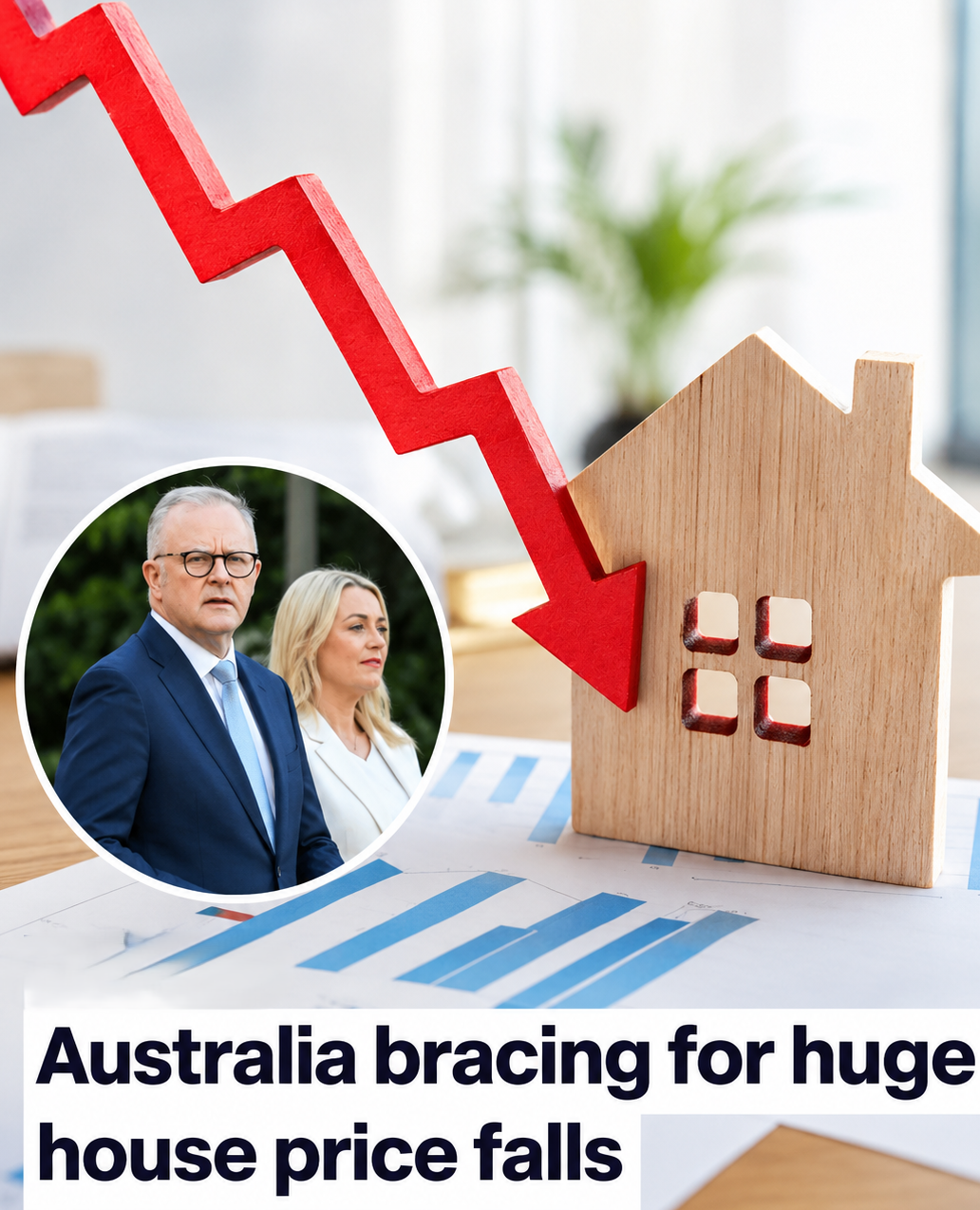
Albanese argued that while falling property prices may concern some homeowners, they can also improve access for Australians who have struggled to save enough for a deposit or compete in a rapidly rising market. The Government has consistently maintained that its housing policies are intended to improve long-term affordability while increasing the supply of new homes.
Some economists and property analysts, however, have warned that the recent slowdown could develop into a more prolonged market correction if higher borrowing costs, weaker investor confidence and slower economic growth continue to weigh on housing demand. Industry participants have also pointed to changing tax settings and financing conditions as factors that may influence future market activity.
Housing specialists caution that Australia’s residential property market is shaped by a wide range of economic forces rather than any single policy. Interest rates, population growth, migration, construction activity, employment conditions, household income and consumer confidence all contribute to movements in home prices over time.
For first-home buyers, lower prices may improve affordability, but financing remains an important consideration. Higher mortgage interest rates can offset some of the benefits of reduced purchase prices by increasing monthly loan repayments, meaning overall affordability depends on both borrowing costs and property values.
Homeowners and investors are also closely watching market conditions as they assess future buying and selling decisions. While some see the current slowdown as a normal adjustment following years of strong price growth, others believe additional market weakness remains possible if economic conditions deteriorate further.
As new housing data continues to emerge, policymakers, lenders and industry experts will monitor whether the latest decline represents a temporary correction or the beginning of a longer period of softer conditions. The outcome is expected to depend on future interest rate decisions, housing supply, economic growth and buyer confidence in the months ahead.






