Prime Minister Anthony Albanese has again faced questions over earlier public remarks involving Japanese Prime Minister Shigeru Ishiba and Australian music icon Kylie Minogue, with political opponents arguing the controversy has not been fully resolved.
According to published reports, Albanese responded to media questions following renewed criticism over comments that have attracted significant public attention in recent days. Opposition figures and critics contend the Prime Minister has not publicly addressed all aspects of the controversy to their satisfaction, while Government representatives have defended his broader leadership and public record. These positions reflect differing political perspectives surrounding the issue.
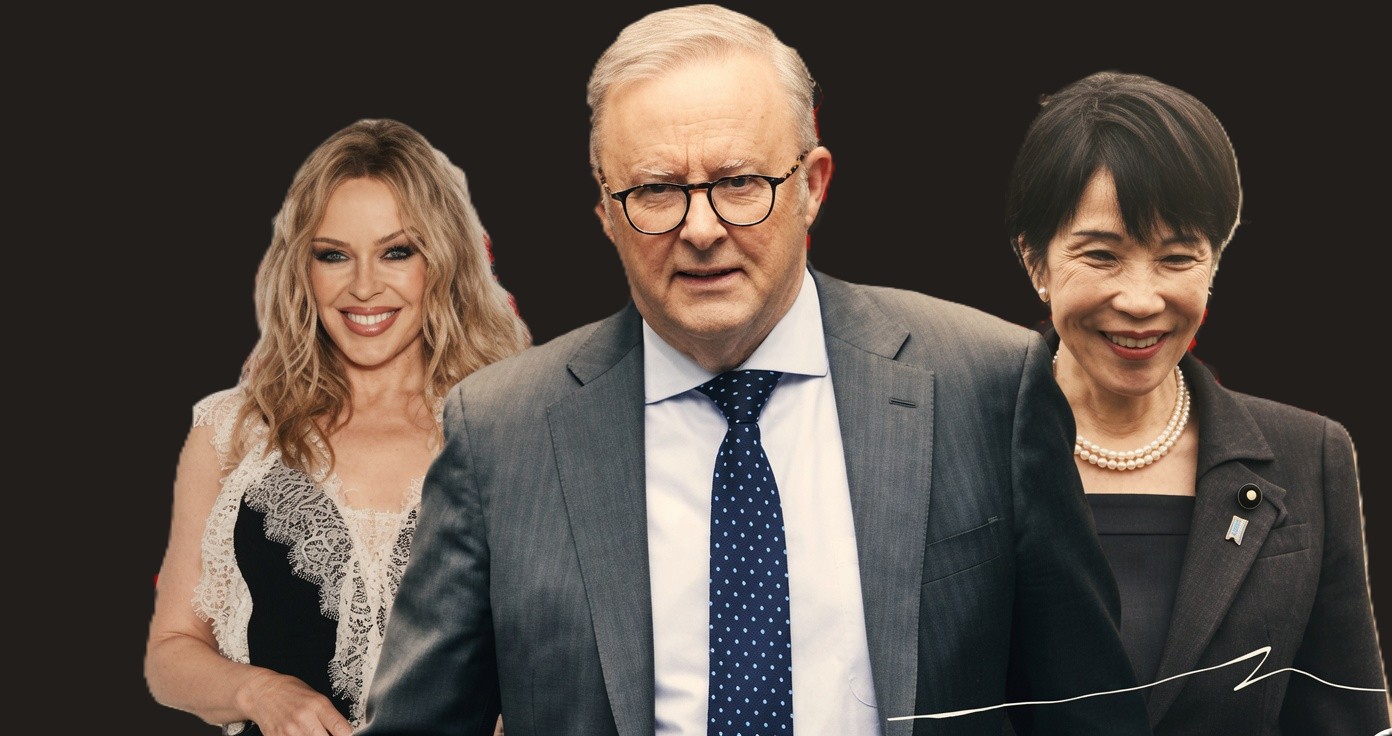
The debate has become part of a broader discussion about the standards expected of national political leaders when speaking publicly. Prime ministers frequently face intense scrutiny over interviews, speeches and informal comments, particularly when remarks involve other political leaders or well-known public figures.
Political analysts note that public controversies surrounding political communication can quickly become significant campaign issues because they often shape perceptions of leadership, judgment and professionalism. Whether such episodes have lasting political consequences generally depends on public opinion, subsequent responses from political leaders and the broader national policy agenda.
Government supporters have argued that the administration should continue to be judged primarily on its policy decisions relating to the economy, housing, energy, healthcare and national security. Critics, however, maintain that leadership also involves demonstrating appropriate conduct and accountability in public communication.
Media experts observe that high-profile interviews and podcast appearances have become increasingly influential in modern political campaigning, allowing leaders to reach audiences outside traditional press conferences. At the same time, the more informal nature of these platforms can create additional risks when remarks attract unexpected public attention.
Australia’s political environment has seen similar controversies involving leaders from different parties over many years. Public reactions have often varied depending on the circumstances, the nature of the comments, the responses provided afterwards and the broader political climate at the time.
As Parliament and political parties continue debating a wide range of national issues, the controversy surrounding the Prime Minister’s remarks remains one element of a broader discussion about leadership, accountability and public expectations. Economic management, cost-of-living pressures, housing affordability and national security continue to dominate much of the wider political agenda.
Whether the issue has a lasting political impact will ultimately depend on public opinion and future political developments. For now, the differing responses from government supporters and critics illustrate the continuing debate over leadership standards and political communication in Australian public life.






