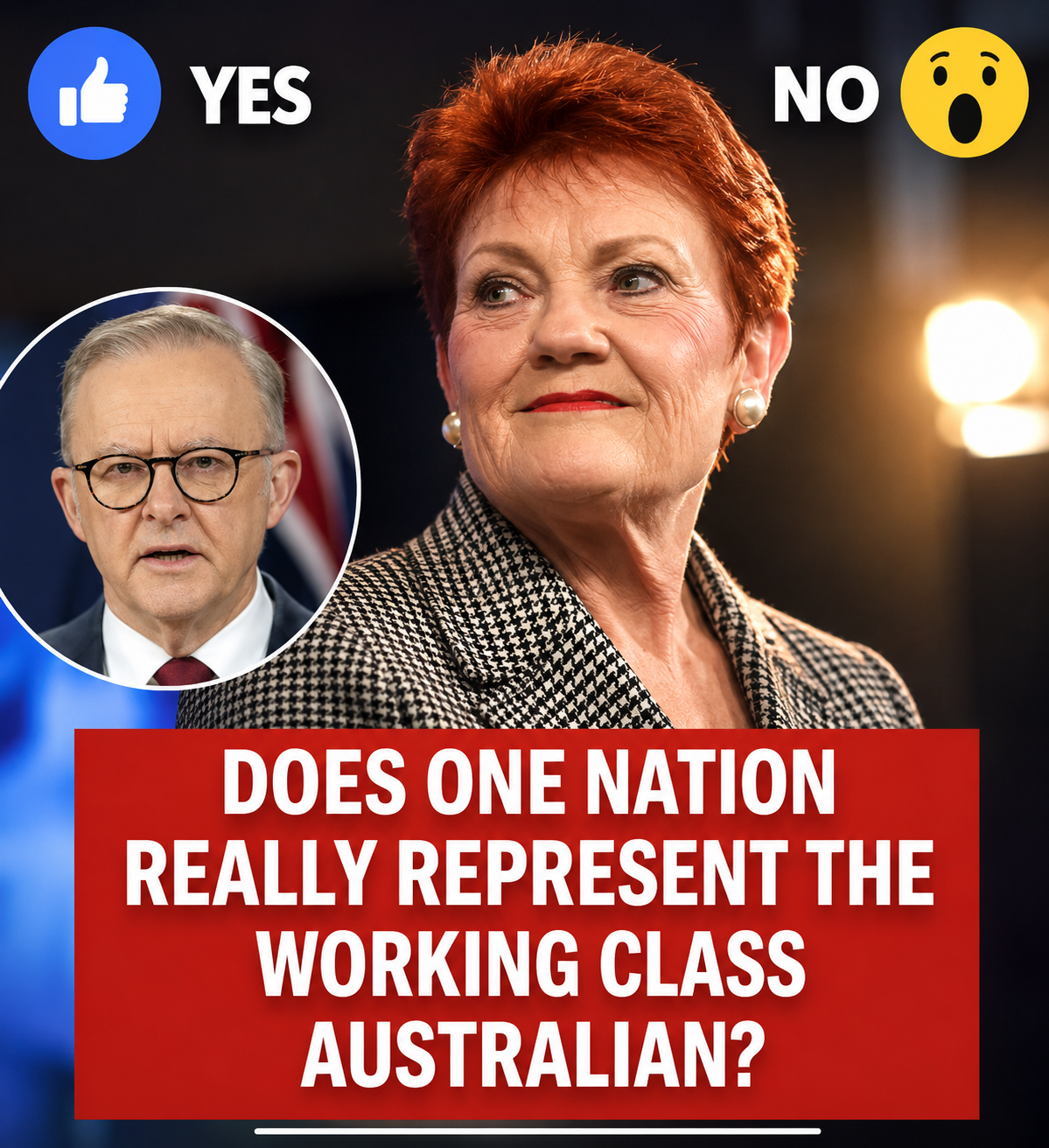
Anthony Albanese has launched one of his strongest attacks yet on Pauline Hanson’s One Nation, accusing the party of pretending to stand up for struggling Australians while benefiting from support linked to some of the country’s wealthiest figures.
The Prime Minister argued that One Nation talks constantly about representing battlers but fails to deliver policies that genuinely improve the lives of working Australians.
His comments come as One Nation continues to attract growing attention across the political landscape, creating fresh headaches for both Labor and the Coalition.
For Albanese, the rise of One Nation is no longer a fringe political story.
It has become a direct challenge to the major parties’ ability to hold onto voters frustrated by rising living costs, housing affordability problems and broader economic pressures.
The Prime Minister specifically accused One Nation of presenting itself as a party for ordinary Australians while relying on support from wealthy backers. He argued that the party’s rhetoric about workers and battlers does not match its political record.
The attack highlights growing concern within Labor about the political momentum One Nation has built over the past year.
Recent polling has suggested the party has significantly expanded its support base, particularly among voters dissatisfied with traditional political options.
That trend is creating a difficult balancing act for the government.
On one hand, Labor wants to challenge One Nation’s credibility and policy platform.
On the other, it must avoid driving even more attention toward a party that has successfully positioned itself as an outsider alternative to the political establishment.
Many of the issues fueling One Nation’s growth are the same issues dominating conversations around kitchen tables across Australia.
Housing remains one of the biggest concerns.
Renters continue to face elevated costs in many cities while first-home buyers struggle to enter the market.
At the same time, migration levels, infrastructure pressures and the cost of living have become major political flashpoints.
These are exactly the issues that One Nation has focused on as it seeks to broaden its appeal beyond its traditional support base.
Supporters of Hanson argue that voters are increasingly turning to parties outside the political mainstream because they feel the major parties are not responding quickly enough to their concerns.
They point to growing frustration with housing shortages, utility bills and everyday expenses as evidence that many Australians are searching for alternatives.
Labor rejects that argument.
The government says it is implementing long-term solutions rather than short-term political fixes.
Ministers regularly argue that housing supply, infrastructure investment and economic reform require sustained action over many years rather than simple slogans.
However, political reality is often shaped by perception.
If voters believe their circumstances are not improving, opposition parties and minor parties frequently gain opportunities to expand their support.
That dynamic helps explain why Albanese has become increasingly willing to confront One Nation directly.
The Prime Minister’s latest comments are not simply about Pauline Hanson.
They reflect growing concern about where dissatisfied voters may go if frustration over housing, migration and living costs continues to build.
For One Nation, the challenge is proving it can convert voter anger into long-term political credibility.
For Labor, the challenge is demonstrating that its policies are producing results that Australians can actually feel in their daily lives.
As pressure continues to mount on household budgets and political loyalties become more fluid, the battle for the so-called battler vote is likely to become one of the defining contests in Australian politics.






