A new Australian Defence Force policy covering transgender and non-binary personnel has triggered widespread discussion after internal guidance confirmed that some applicants may complete pre-entry fitness assessments according to their affirmed gender rather than their sex assigned at birth.
The guidance also provides commanders with advice on managing issues involving gender identity in the workplace, including respectful communication, access to shared facilities and expectations surrounding discrimination and harassment. The policy has generated strong reactions from supporters and critics, with both sides arguing it has significant implications for military culture and recruitment.
According to reporting on the policy, transgender and non-binary applicants are permitted to undertake the Australian Defence Force’s pre-entry fitness assessment using the standards associated with their affirmed gender. The policy applies to recruitment assessments rather than changing the broader operational fitness standards required once personnel begin military service.
The guidance also outlines expectations for commanders when managing gender-diverse personnel. It advises leaders to respond appropriately to repeated misgendering, establish respectful workplace behaviour and provide guidance on practical matters such as bathrooms, change rooms and accommodation where required. The stated objective is to minimise discrimination and maintain professional conduct throughout Defence workplaces.
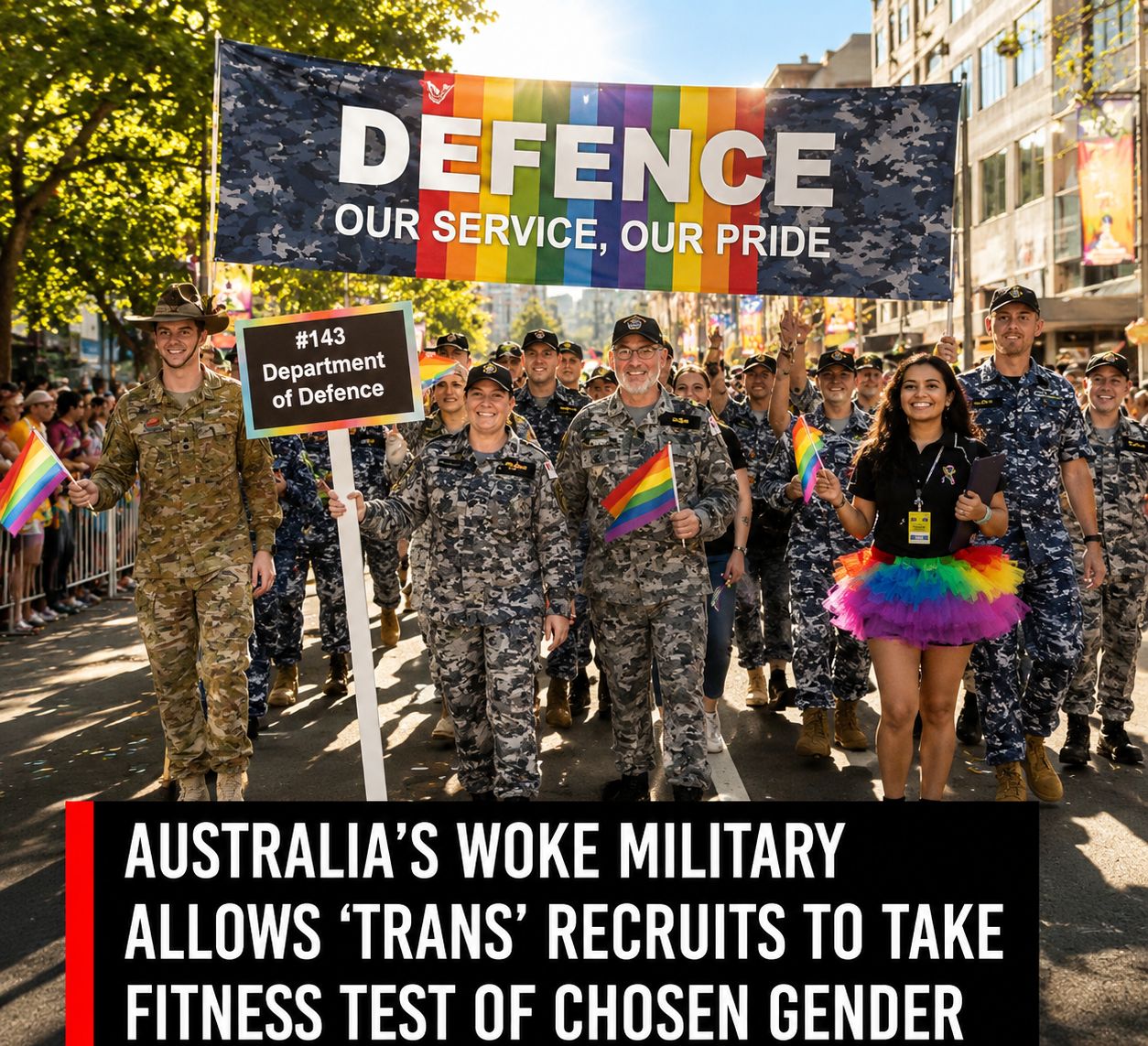
Critics argue the changes raise questions about fairness and operational standards. Some commentators and opposition politicians have questioned whether allowing different fitness benchmarks during recruitment could affect perceptions of merit or create inconsistencies between applicants. They also argue Defence leadership should remain primarily focused on military readiness and recruitment challenges rather than workplace diversity policies.
Supporters of the policy take a different view. They argue the changes are intended to ensure qualified applicants are assessed in a way that reflects their affirmed gender while maintaining the professional standards expected within the Australian Defence Force. They also note that the guidance forms part of broader workplace inclusion policies designed to reduce harassment and improve recruitment across a competitive labour market.
The discussion comes as the ADF continues working to increase recruitment after several years of personnel shortages. Defence has introduced a range of measures aimed at broadening its recruitment pool while maintaining capability requirements across the Navy, Army and Air Force. Recruitment remains one of the organisation’s major strategic priorities.
Current publicly available ADF recruitment information continues to outline physical entry standards that vary according to service branch and role. Different military occupations require different fitness benchmarks, with more demanding combat and specialist positions requiring significantly higher physical performance than general entry roles. Those operational standards continue to apply throughout military service.
The broader issue has become part of an international debate. Armed forces in different countries have adopted a wide variety of approaches to transgender military service, with some expanding inclusion policies while others have introduced new restrictions. Australia has generally maintained policies allowing transgender personnel to serve, alongside workplace guidance covering diversity and inclusion.
Military analysts note that questions surrounding recruitment policy often involve balancing several competing objectives at once: attracting sufficient personnel, maintaining operational readiness, complying with anti-discrimination laws and preserving confidence in military standards. Those priorities can lead to vigorous public debate whenever Defence updates its personnel policies.
At this stage, the policy remains an internal administrative framework governing recruitment and workplace management. Whether it influences future recruitment outcomes, workforce culture or public confidence in the Australian Defence Force is likely to remain a subject of political and public discussion in the months ahead.






