A major policy reversal involving capital gains tax and family trust reforms worth an estimated $475 million has triggered fresh political controversy, with critics accusing the Albanese Government of backtracking under pressure.
The changes have quickly become a focal point in a broader debate about whether the government is responding constructively to public feedback or simply attempting to limit political damage.
The original proposals were part of a wider effort to adjust tax settings affecting property investment structures and business arrangements.
However, following significant political and stakeholder reaction, the government has now modified key elements of the plan.
Opposition figures have described the move as a “backflip,” arguing it reflects uncertainty in economic policymaking and a lack of consistent direction on taxation reform.
They claim the reversal sends a signal of instability to investors and raises questions about the government’s broader budget strategy.
Government representatives, however, argue that policy refinement is a normal part of the legislative process.
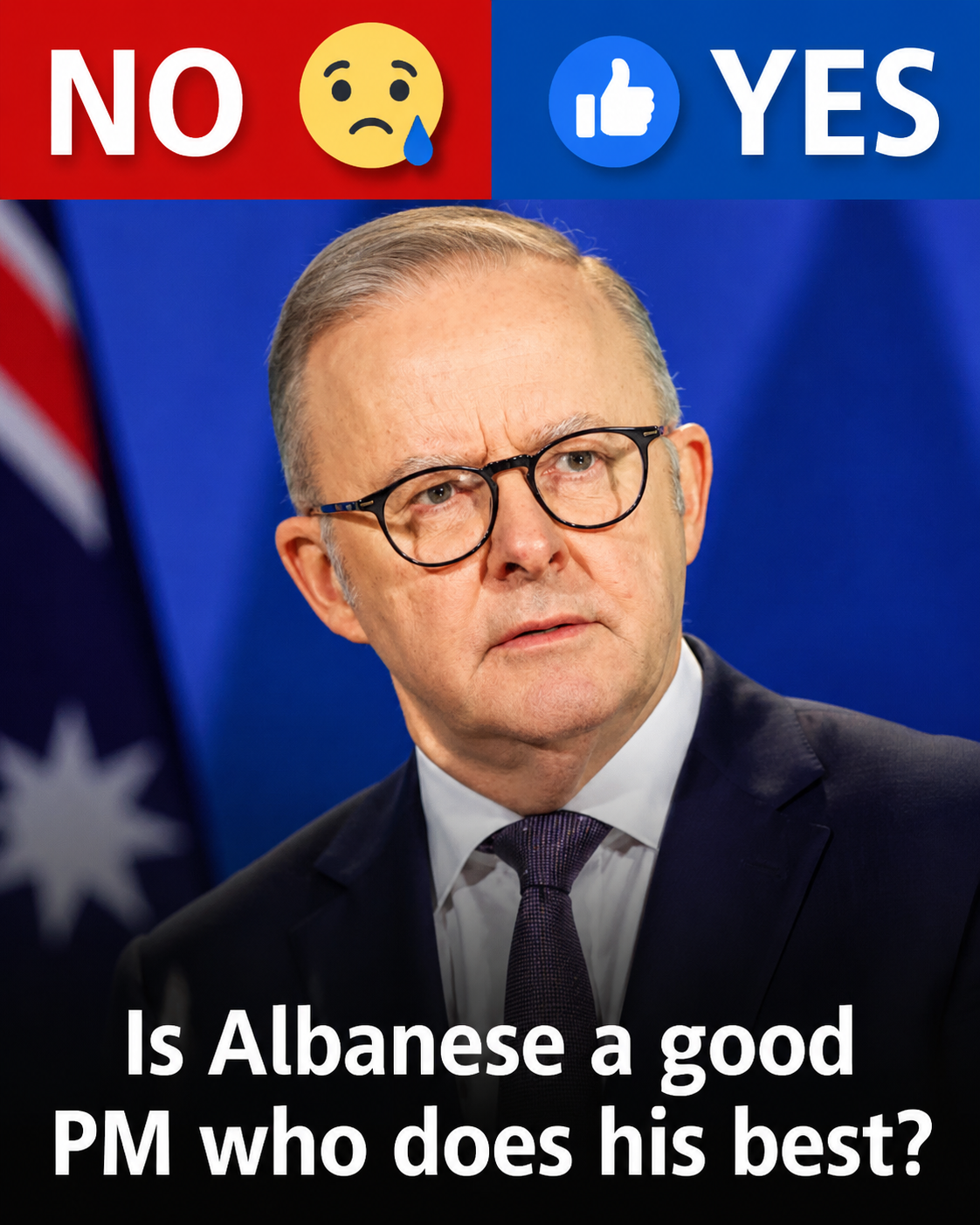
They say consultation with business groups, tax experts and community stakeholders is essential to ensure that reforms are practical and do not produce unintended consequences.
Supporters of the changes maintain that adjusting policy in response to feedback demonstrates accountability rather than weakness.
They argue that complex tax systems require ongoing review and adjustment as economic conditions evolve.
The dispute highlights a long-standing tension in Australian politics between implementing ambitious reforms and maintaining political stability.
Tax policy changes, particularly those affecting property and investment structures, have historically been among the most politically sensitive decisions governments face.
Even relatively small adjustments can quickly become focal points for broader debates about fairness, economic management and voter trust.
Critics of the government’s handling of the issue argue that repeated changes to announced policy create uncertainty for businesses and investors who rely on stable rules for long-term planning.
They say the latest reversal reinforces concerns about inconsistent messaging from the Treasury portfolio.
On the other hand, defenders of the process argue that responsiveness to feedback is essential in a modern policy environment, particularly when dealing with complex financial systems.
The capital gains tax and family trust debate also reflects broader pressures facing the government on cost of living, housing affordability and economic growth.
These issues remain central to public debate and are likely to play a major role in shaping voter sentiment in the lead-up to the next election.
As both sides continue to argue over the significance of the changes, the issue has become another example of how quickly tax policy can turn into a broader political flashpoint in Australia.
Whether the move is ultimately seen as responsible governance or political damage control will depend largely on how voters interpret the government’s economic direction in the months ahead.






