Victoria’s landmark council rate cap could face its biggest overhaul since it was introduced a decade ago, with the Allan Government reportedly considering reforms that would give local councils greater flexibility to raise revenue amid mounting financial pressures.
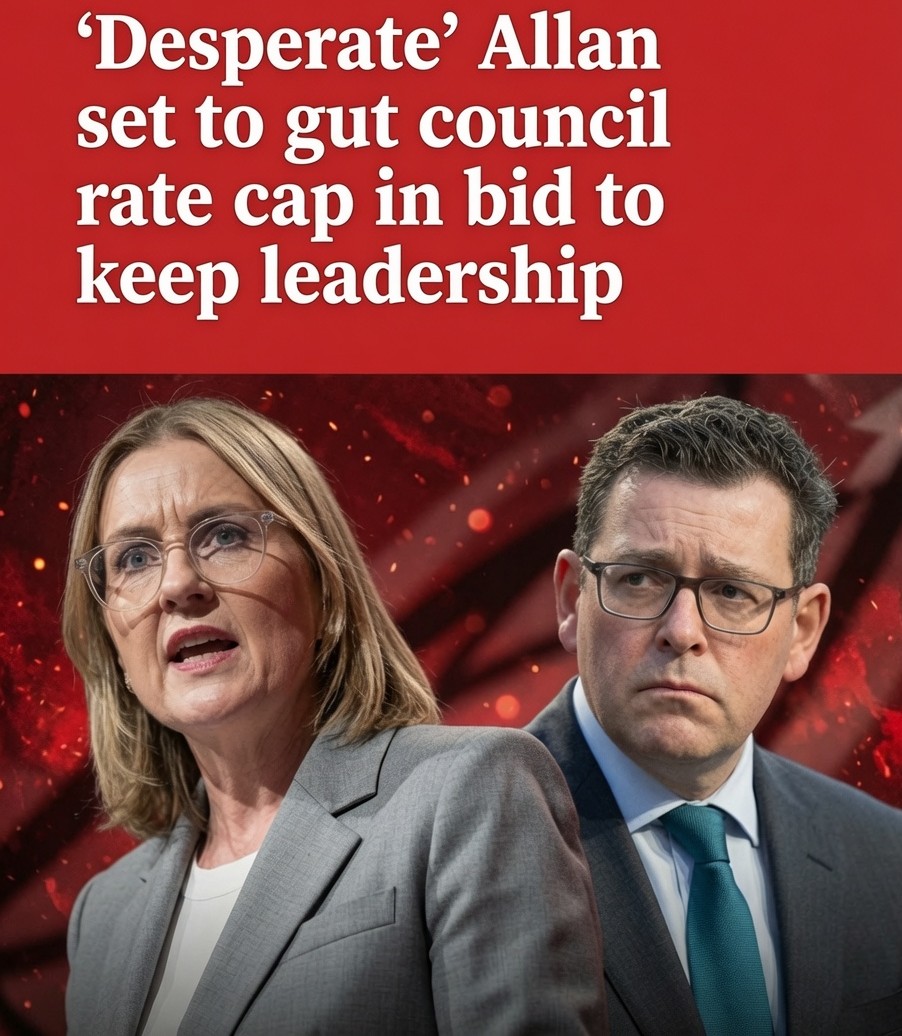
According to reports, the Victorian Government is examining changes to the state’s Fair Go Rates system that could exempt some council employment costs from the existing cap on annual rate increases. Such a change would allow councils to recover higher wage costs without those increases counting towards the current rate limit.
The proposal has immediately become politically contentious because the rate cap has been one of Victoria’s most recognisable local government reforms since its introduction in 2016 under former premier Daniel Andrews.
Under the current framework, annual council rate increases are generally limited by a cap determined by the Essential Services Commission, usually based on movements in the Consumer Price Index (CPI). Councils seeking larger increases must apply for approval through a separate variation process.
The Victorian Government has previously argued that the system protects households from excessive council rate increases while still allowing flexibility in exceptional circumstances. Official figures show the average annual cap has been around 2.3 per cent since the policy began, compared with average annual increases of around 6 per cent before the cap was introduced.
The latest proposal would not abolish the rate cap altogether.
Instead, reports indicate ministers are considering allowing certain staffing expenses to sit outside the cap. Because employee wages account for an estimated 40 to 50 per cent of council operating costs, critics argue such a carve-out could substantially weaken the practical effect of the existing restrictions on rate increases.
Supporters of reform, however, argue councils are facing growing financial strain.
Many Victorian councils say they have struggled to balance rising labour costs, inflation, ageing infrastructure and increasing service demands while remaining subject to annual rate limits.
Local government organisations have repeatedly argued that the cap has constrained their ability to maintain roads, libraries, maternal health programs, community facilities, waste collection and other essential local services.
Several councils have also pointed to increasing responsibilities transferred from higher levels of government without matching long-term funding.
The debate has intensified as councils across Australia seek additional financial assistance.
During Labor’s national conference in Adelaide, local government representatives and unions renewed calls for substantially higher federal funding, warning that many councils—particularly in regional areas—are experiencing growing budget pressures that could affect frontline services if funding arrangements are not improved.
At the centre of the current Victorian debate is the Australian Services Union (ASU), which represents many local government employees.
The union has long argued that the rate cap has limited councils’ ability to negotiate competitive wages and retain experienced staff.
Reports suggest the proposed changes align with reforms the union has advocated for several years, although the government has not publicly confirmed any final policy decision.
Some media reports have linked the proposal to internal Labor Party politics, suggesting the reforms could strengthen Premier Jacinta Allan’s support within parts of the party and organised labour.
Those reports have emerged amid ongoing speculation about Allan’s leadership following months of political pressure, declining opinion polling and internal disagreement over several policy issues.
However, the government has not publicly stated that any proposed rate cap changes are connected to leadership considerations, and no formal cabinet decision has been announced.
Opponents argue that relaxing the cap would ultimately transfer higher employment costs directly onto Victorian households already facing elevated living expenses.
They contend the Fair Go Rates framework has successfully restrained council tax growth for nearly a decade and that weakening its operation would expose ratepayers to larger annual increases.
Some Labor MPs have reportedly also expressed concern about the political consequences of changing a policy that many homeowners regard as an important cost-of-living protection.
Councils, meanwhile, argue the issue is more complex than simply increasing rates.
They say inflation has significantly increased the cost of maintaining roads, parks, sporting facilities, waste management, libraries and community services, while workforce shortages have placed additional upward pressure on wages.
Without additional revenue, some councils argue they may need to reduce services, delay infrastructure projects or scale back maintenance programs.
The Fair Go Rates system itself includes an avenue for councils seeking higher increases.
Under existing legislation, councils may apply to the Essential Services Commission for permission to exceed the annual cap if they can demonstrate exceptional financial circumstances and justify the additional increase.
Only a relatively small number of councils have successfully obtained such variations since the system commenced.
The current discussion therefore centres on whether wage growth should automatically receive different treatment from other operating costs.
That question has become increasingly significant as local government enterprise bargaining agreements deliver higher wage outcomes in response to labour shortages and broader inflationary pressures.
For households, any substantial reform could eventually affect annual council rate notices, although the financial impact would depend on the final design of any legislation, individual council budgets and future decisions by the Essential Services Commission.
At present, the Allan Government has not introduced legislation to Parliament, and the reported reforms remain under consideration.
Any proposal would still need to progress through the government’s approval processes before becoming law.
The debate illustrates the competing pressures facing governments across Australia as they attempt to balance cost-of-living relief for households with the growing financial demands confronting local councils.
Whether Victoria ultimately retains its existing rate cap model or adopts a modified version is likely to become a prominent issue ahead of the state’s November election, with both supporters and critics arguing the decision will have significant consequences for council finances and household budgets alike.






