The Victorian Government has come under political pressure after advertising a new senior multicultural leadership position offering a salary of up to $400,741 a year, despite the legislation required to establish the agency behind the role not yet being introduced to Parliament.
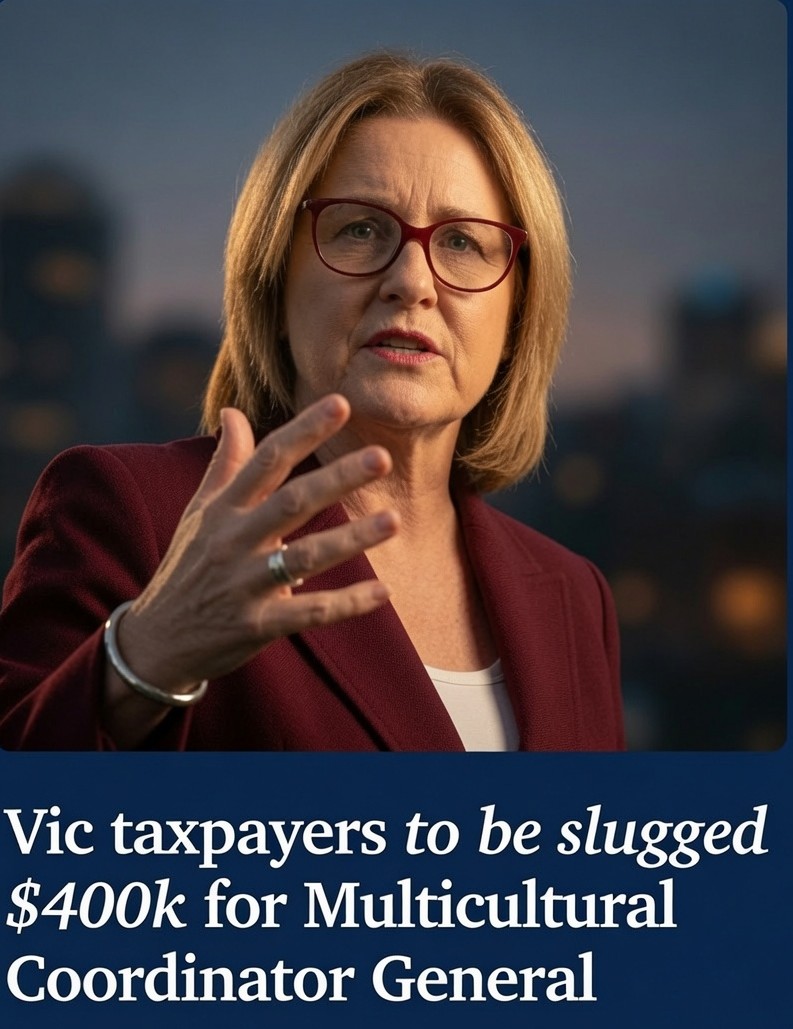
The position, titled Multicultural Coordinator-General, has been advertised by the Allan Government as part of its proposed new agency, Multicultural Victoria. According to the recruitment advertisement, the successful applicant would receive an annual remuneration package ranging from $344,616 to $400,741 and would serve a four-year term, subject to legislation establishing the new body being passed by the Victorian Parliament.
The advertisement immediately attracted political attention because the legislation creating Multicultural Victoria has not yet been introduced into Parliament.
That timing prompted criticism from the Victorian Opposition, which questioned why recruitment had begun before elected representatives had the opportunity to debate or approve the agency itself.
Shadow Minister for Multicultural and Multifaith Affairs Evan Mulholland accused the Allan Government of attempting to fill a powerful executive position before Parliament had considered the legislation.
He argued that advertising a four-year appointment in the months leading up to the November state election created the appearance that Labor was attempting to secure a long-term appointment regardless of the election outcome.
“Labor hasn’t even bothered to introduce the legislation through Parliament or brief the Opposition and crossbench yet, but they’re already rolling out the red carpet,” Mulholland said.
Mulholland also warned that a future Coalition government would reserve the right to review or terminate any appointment it considered to have been made for partisan reasons before the election.
While supporting the concept of improving multicultural engagement, he argued the proper legislative process should occur before recruitment begins.
The Allan Government rejected suggestions that the recruitment process was inappropriate.
A government spokesperson said the new agency was being established in response to recommendations made by the independent Lekakis Review into multicultural affairs and was intended to strengthen support for Victoria’s multicultural and multifaith communities.
The government also stressed that the appointment would only proceed if Parliament ultimately approved the legislation creating Multicultural Victoria.
“We are backing Victoria’s multicultural and multifaith communities and ensuring their voices are heard by establishing this new body which was recommended by the independent Lekakis Review,” the spokesperson said.
The spokesperson further criticised the Liberal Party’s political position, arguing Labor remained committed to supporting multicultural communities regardless of political pressure.
The proposal forms part of the Allan Government’s broader multicultural policy agenda.
Earlier this year the government announced plans to establish Multicultural Victoria as a dedicated statutory agency designed to improve coordination between government departments and Victoria’s culturally and linguistically diverse communities.
According to the government, the new Coordinator-General would provide strategic leadership, advise ministers, oversee implementation of multicultural initiatives and help strengthen engagement with community organisations across the state.
The proposed agency follows recommendations made by former Victorian Multicultural Commission chairman George Lekakis in his independent review of Victoria’s multicultural governance arrangements.
The review concluded that the state’s increasingly diverse population would benefit from stronger institutional coordination and a more centralised leadership structure capable of responding to emerging challenges affecting multicultural communities.
The salary attached to the position has nevertheless become one of the central issues in the political debate.
With a maximum remuneration exceeding $400,000 a year, the role would rank among the highest-paid positions within the Victorian public sector.
Its advertisement comes as the state continues facing significant fiscal pressures, including rising public sector wage costs and ongoing efforts by the government to improve budget sustainability.
Budget papers released earlier this year forecast Victoria’s public sector wages bill between 2024 and 2029 would exceed $207 billion, approximately $7.2 billion higher than projections published in the previous budget. Those figures have intensified scrutiny of new senior executive appointments across government.
The debate also reflects broader disagreements over the role of multicultural policy in Victoria.
Victoria is Australia’s most culturally diverse state, with residents born in more than 200 countries and speaking hundreds of different languages.
Successive governments from both major political parties have maintained multicultural programs aimed at supporting settlement, community participation, social cohesion and religious inclusion.
Supporters of the proposed agency argue that increasing cultural diversity requires stronger coordination across government services.
They contend a dedicated Coordinator-General could improve communication between multicultural communities and government while ensuring policy decisions better reflect the needs of Victoria’s diverse population.
Critics, however, question whether creating another senior bureaucracy is the most effective use of taxpayer funding at a time when Victoria continues managing substantial debt, infrastructure commitments and cost-of-living pressures.
Some Opposition MPs have argued existing agencies already perform many of the proposed functions, suggesting additional administrative structures may duplicate current responsibilities.
The issue has become politically significant because it comes only months before Victorians return to the polls.
Premier Jacinta Allan’s government is expected to campaign heavily on public services, housing, infrastructure and economic management, while the Opposition has increasingly focused on government spending, public sector growth and integrity issues.
The disagreement over the Multicultural Coordinator-General role has therefore become part of a wider political argument about priorities, governance and fiscal discipline.
Recruitment for the position is scheduled to remain open until 9 August.
However, even after applications close, no appointment can take effect unless Parliament passes legislation establishing Multicultural Victoria.
That means the future of both the role and the proposed agency ultimately depends on parliamentary approval.
For now, the Allan Government maintains the recruitment process is a necessary step in implementing recommendations from the independent Lekakis Review and preparing the new agency for operation.
The Opposition, meanwhile, argues Parliament—not the executive government—should first determine whether the agency should exist before taxpayers fund one of the state’s highest-paid public service positions.
As Victoria approaches the November election, the controversy illustrates how even administrative appointments have become increasingly politicised, with debates over transparency, public spending and multicultural policy expected to remain prominent throughout the campaign.






