One Nation leader Pauline Hanson has unveiled an ambitious list of priorities she says would form the opening chapter of her government if she were elected Prime Minister, promising sweeping changes to Australia’s climate policies, government spending, cultural practices and healthcare system.
Speaking during News 24’s Please Explain special, Hanson outlined a policy agenda that she described as focused on cutting government waste, easing pressure on taxpayers and restoring what she believes are traditional Australian values.
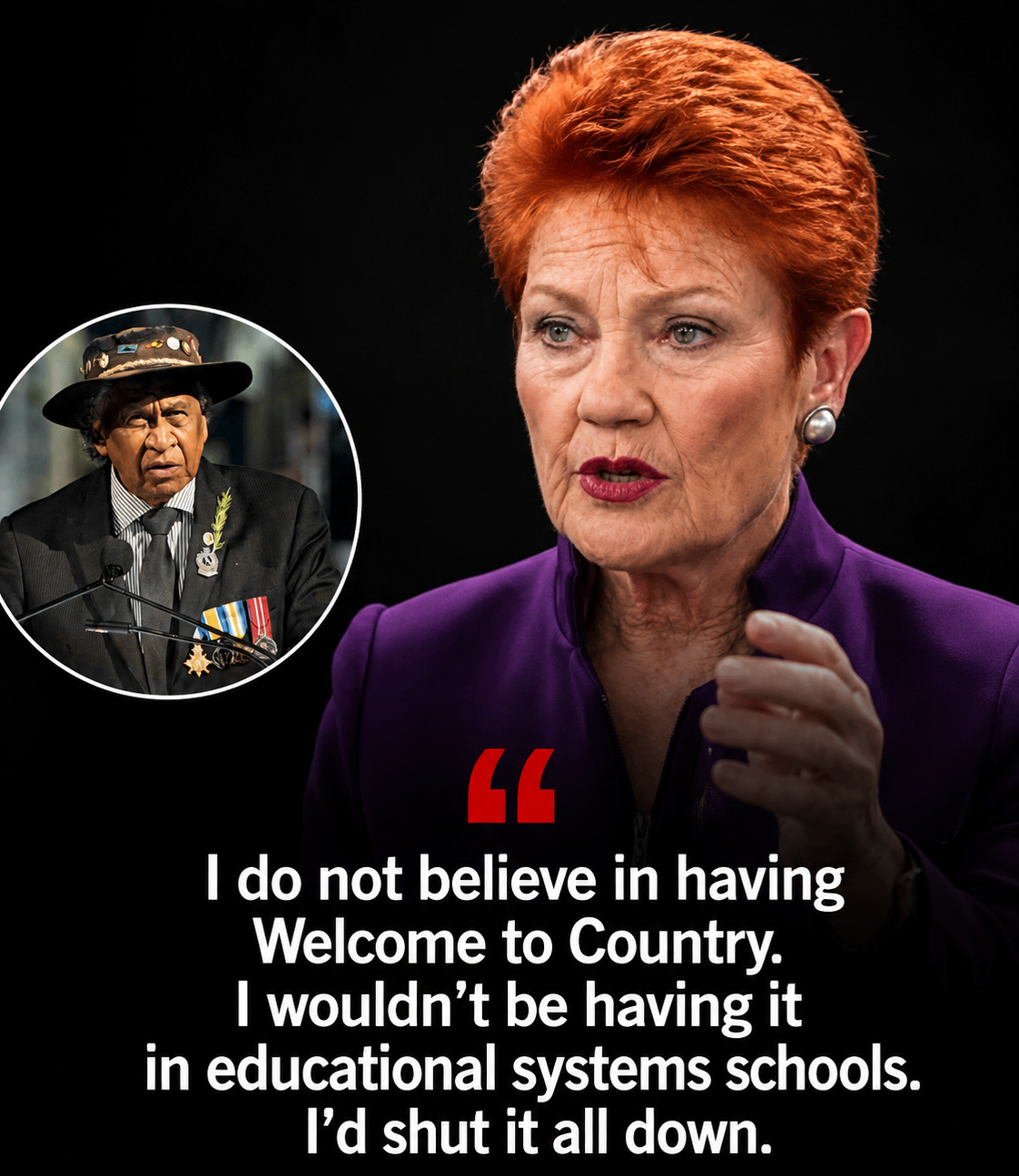
Among the headline commitments were abolishing Welcome to Country ceremonies across government institutions, abandoning Australia’s Net Zero emissions target, extending healthcare benefits to all self-funded retirees and undertaking major reviews of several high-cost government programs.
The proposals represent some of the clearest indications yet of the direction One Nation would pursue if it ever formed government, combining economic reforms with cultural and immigration policies that have long defined the party’s platform.
One of Hanson’s most prominent pledges is to remove Welcome to Country and Acknowledgement of Country ceremonies from government departments, schools and official communications.
She has repeatedly argued that such ceremonies have become overused and politically divisive, saying they no longer reflect the unity she believes Australia should project. Hanson has also criticised the growing use of multiple national flags at official events, arguing that a single Australian flag should remain the primary national symbol.
The proposal is likely to reignite one of Australia’s most contentious cultural debates. Supporters of Welcome to Country ceremonies regard them as an important recognition of Indigenous history and Traditional Custodians, while critics argue they have expanded far beyond their original purpose and have become unnecessarily political.
Climate policy would also be dramatically reshaped under Hanson’s vision.
She said a One Nation government would abandon Australia’s commitment to Net Zero emissions, arguing the policy has contributed to higher electricity prices, increased business costs and declining manufacturing competitiveness.
Hanson has also indicated she would dismantle the Department of Climate Change and withdraw Australia from international Net Zero commitments, maintaining that economic growth and energy affordability should take precedence over emissions targets.
Her position remains sharply at odds with both Labor and many international governments, which argue emissions reduction policies are necessary to address climate change while supporting Australia’s transition towards cleaner energy industries.
Perhaps the most financially significant proposal announced during the interview was Hanson’s commitment to expand healthcare concessions for Australia’s self-funded retirees.
Currently, eligibility for the Commonwealth Seniors Health Card is subject to income testing, allowing qualifying retirees access to cheaper Pharmaceutical Benefits Scheme medicines and additional Medicare concessions.
Hanson argued that Australians who have worked throughout their lives and funded their own retirement deserve broader support regardless of their income.
“Self-funded retirees, you worked hard, you get nothing back,” she said while outlining the proposal.
She wants every self-funded retiree to receive a healthcare card providing discounted medicines and access to bulk-billed or low-cost GP services.
The policy has the potential to affect hundreds of thousands of Australians but could also carry a multi-billion-dollar price tag depending on eligibility rules and long-term healthcare usage. Hanson did not release detailed costings during the interview.
Alongside healthcare reform, Hanson pledged to conduct extensive reviews of major government expenditure programs, arguing billions of taxpayer dollars are being wasted.
She identified the National Disability Insurance Scheme (NDIS) as one area requiring significant reform, claiming stronger oversight is needed to reduce fraud and improve value for taxpayers while preserving essential services for people with genuine disabilities.
She also questioned Australia’s childcare spending, suggesting the rapidly growing sector should be independently audited to ensure public funding is being spent effectively.
Immigration remains another cornerstone of One Nation’s platform.
Hanson reiterated her support for reducing Australia’s permanent migration intake to around 130,000 people annually while placing greater emphasis on skilled workers in sectors experiencing genuine labour shortages.
She argued that lower migration would help ease housing affordability pressures, reduce infrastructure strain and improve access to essential services for existing residents.
Her immigration policies continue to distinguish One Nation from both Labor and the Coalition, although migration levels have become an increasingly prominent issue across Australian politics amid continuing concerns about housing supply and cost-of-living pressures.
During the interview, Hanson also defended her broader philosophy on government spending.
She argued successive governments have expanded bureaucracy without delivering better outcomes and said her administration would focus on reducing unnecessary expenditure while directing more support towards Australians who have contributed through decades of work and tax payments.
The proposals fit within One Nation’s longstanding emphasis on fiscal restraint, lower migration, national sovereignty and stronger support for retirees and regional communities.
However, many of the party’s commitments would face substantial legislative and political obstacles.
Even if One Nation were to significantly increase its parliamentary representation, many reforms would require support from both houses of Parliament, where the party has historically held only a limited number of seats.
Some proposals, particularly those involving healthcare funding, would also require detailed Treasury modelling before implementation.
Political analysts note that Hanson frequently uses bold policy announcements to distinguish One Nation from Australia’s major parties while appealing to voters dissatisfied with the political establishment.
The latest announcements come as One Nation continues to campaign heavily on issues including cost of living, energy prices, housing affordability, immigration and government accountability ahead of future electoral contests.
Supporters argue the platform addresses concerns that many Australians feel have been ignored by Canberra, particularly rising household costs and pressure on public services.
Critics, meanwhile, contend that several proposals lack detailed implementation plans and could prove expensive despite Hanson’s emphasis on reducing government expenditure. Others argue that abolishing Welcome to Country ceremonies and withdrawing from Net Zero commitments would deepen political divisions and damage Australia’s international standing.
Hanson has nevertheless maintained that Australians are looking for a clear alternative to the major parties and says One Nation’s platform is designed to prioritise what she describes as practical outcomes over political symbolism.
Whether the policies ultimately gain broader electoral support remains uncertain, but the package outlines one of the most comprehensive statements yet of the agenda Hanson says she would pursue if given the opportunity to lead the country.