One Nation leader Pauline Hanson has defended her decision to bar journalists from the ABC, The Age and The Guardian from attending a Melbourne press conference, saying the move was a response to what she described as repeated “character assassination attempts” against her party and its candidates.
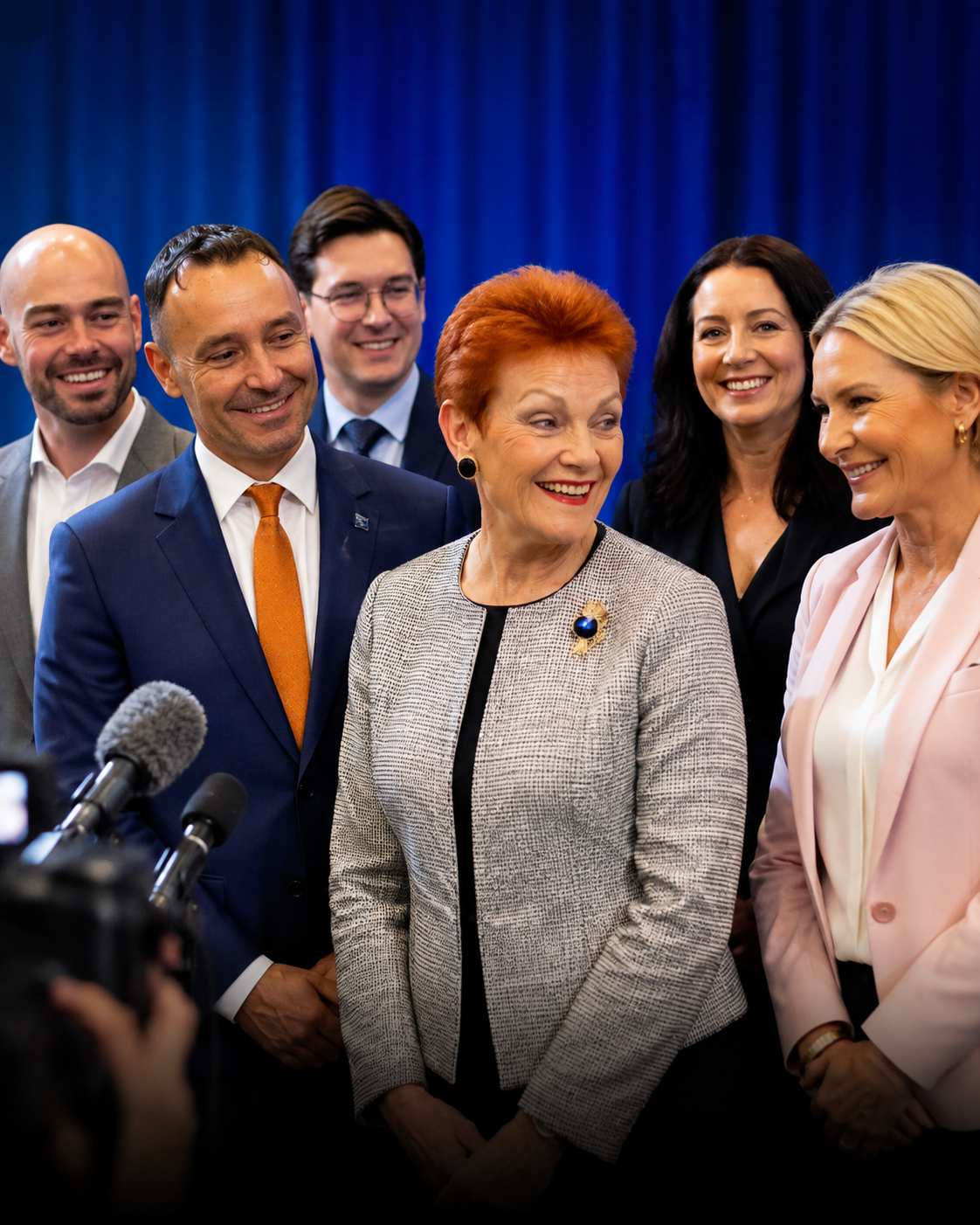
The unusual media ban coincided with One Nation’s Victorian campaign launch, where Hanson introduced a number of candidates ahead of the state election and confirmed Warren Pickering would lead the party’s campaign in Victoria. The decision immediately reignited debate about media access, political accountability and the relationship between politicians and news organisations.
Speaking after the event, Hanson said the excluded organisations had consistently produced reporting that she believed was inaccurate or politically motivated. She argued the temporary ban was intended to send a message that One Nation expected fair and balanced reporting from publicly funded and mainstream media outlets.
One Nation says journalists crossed the line
Victorian One Nation leader Warren Pickering defended the decision and warned that journalists engaging in what he described as “character assassination attempts” against party members could face legal action if reporting crossed into defamatory territory.
Pickering argued that candidates should be judged on their policies rather than what he characterised as repeated personal attacks. However, he did not identify any specific legal proceedings that had commenced against individual journalists at the time of the announcement.
During the Melbourne press conference, Hanson reiterated that the ban was directed at specific organisations rather than all media outlets. Other journalists were permitted to attend, while alternative media organisations, including Rebel News, were present at the event.
Victorian campaign launched
The press conference formed part of One Nation’s official Victorian election campaign launch.
Hanson announced several candidates who will contest seats across the state and confirmed organisational changes that saw Warren Pickering move from a planned upper house candidacy to contest the lower house electorate of Pakenham while leading the Victorian campaign.
The party indicated it intends to contest almost every lower house seat and all upper house regions at the upcoming election, presenting itself as an alternative to both Labor and the Coalition.
Among the issues Hanson highlighted during the launch were cost-of-living pressures, crime, government accountability, regional infrastructure, policing and education reform. She also signalled that additional policy announcements would be released during the campaign.
Criticism over restricting media access
The exclusion of three major news organisations attracted swift criticism from political opponents and media advocates.
Employment and Workplace Relations Minister Amanda Rishworth argued that elected representatives should be prepared to answer questions from all accredited media organisations, regardless of whether coverage is favourable. She said accountability requires politicians to face scrutiny rather than choose which journalists may attend public events.
Greens Senator Sarah Hanson-Young also criticised the decision, describing the media ban as inconsistent with democratic accountability and arguing that political leaders should engage openly with critical reporting rather than exclude journalists.
Media freedom advocates similarly questioned whether preventing selected outlets from attending a public political event served the interests of transparency, although no legal obligation generally requires political parties to invite every media organisation to campaign events.
Hanson says the ban is temporary
Hanson indicated the restrictions are not intended to be permanent.
She said the decision was designed to encourage what she regards as fairer reporting and suggested access could be restored if relationships with the excluded organisations improved.
The One Nation leader also pointed to previous disputes with the ABC dating back to the 1990s, arguing that her concerns about bias are longstanding rather than confined to the current election campaign.
Campaign overshadowed by protests
The Melbourne campaign launch took place amid significant protests outside the venue.
Demonstrators gathered to oppose One Nation’s policies, prompting a substantial police presence as officers separated protesters from party supporters attending the event.
Despite the demonstrations, Hanson proceeded with the launch and used the occasion to outline the party’s ambition to expand its representation in Victoria, arguing that many voters were dissatisfied with the major parties.
A broader debate over politics and the media
The controversy has become part of a broader national discussion about the relationship between politicians and the press.
Supporters of Hanson’s decision argue political parties should not be required to provide access to organisations they believe consistently report unfairly or inaccurately. They contend that media outlets remain free to report on political developments regardless of whether they attend a particular event.
Critics, however, argue that excluding established news organisations undermines transparency by limiting opportunities for direct questioning and public scrutiny of political leaders.
The debate reflects wider tensions seen in democratic countries where political figures increasingly challenge mainstream media while expanding their engagement with alternative news platforms and social media audiences.
Election campaign intensifies
With Victoria’s state election approaching, One Nation is seeking to capitalise on recent polling that suggests growing support for the party nationally.
The Melbourne launch marked the beginning of what Hanson described as an expanded campaign across the state, with candidates expected to focus heavily on issues including cost of living, public safety, government spending and integrity.
Whether the decision to exclude selected media organisations ultimately benefits or hinders the party politically remains uncertain. However, the move has ensured that One Nation’s Victorian campaign has begun amid renewed national debate—not only over its policy platform, but also over the role of the media in Australian democracy.






