One Nation leader Pauline Hanson has intensified pressure on Prime Minister Anthony Albanese after he repeatedly declined to provide detailed answers about attending a controversial fundraising dinner hosted at the Sydney home of businessman Felix Lee.
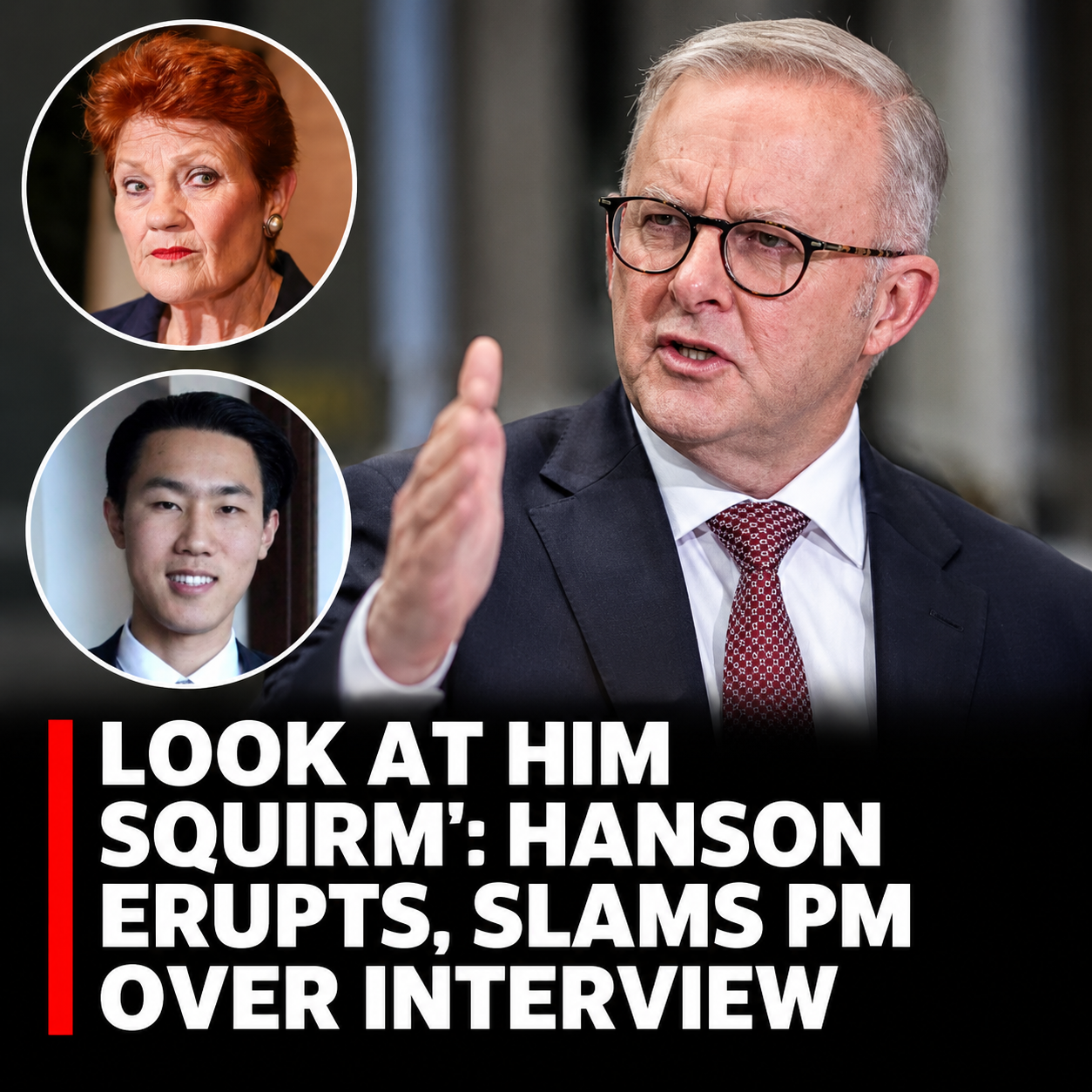
The controversy erupted following an appearance by the Prime Minister on the ABC’s Insiders, where host David Speers questioned him about his attendance at the event held at Lee’s Point Piper mansion. Rather than directly addressing several of the questions, Albanese repeatedly responded that he attends “lots of functions in lots of places” as part of his duties as Prime Minister.
The fundraising dinner attracted attention after reports suggested it had been organised by Felix Lee, a Sydney businessman whose father, Phillip Dong Fang Lee, was previously involved in a long-running dispute with the Australian Taxation Office over approximately $273 million in alleged unpaid tax. Court proceedings relating to that dispute were ultimately settled, and Phillip Lee has not been convicted of any criminal wrongdoing arising from the matter.
Questions surrounding the event intensified after reports emerged that Felix Lee had planned a significant financial contribution to the Australian Labor Party. Initial reports suggested a figure of $1 million, although subsequent reporting indicated the fundraising event itself raised less than $100,000.
Speaking after Albanese’s television interview, Hanson accused the Prime Minister of refusing to properly explain his attendance.
Posting on social media, she argued that Labor was applying a different standard to itself than it would expect from political opponents, writing that Australians should “look at the Prime Minister squirm and refuse to answer questions”. Hanson also questioned whether Labor should have accepted money connected with the event given the previous tax dispute involving the Lee family.
Hanson’s criticism echoed concerns raised by several Coalition politicians.
Nationals senator Matt Canavan argued that any donations associated with the fundraiser should be returned, saying public confidence depends on political parties maintaining high ethical standards when accepting financial contributions. Liberal senator James Paterson likewise questioned why the Prime Minister appeared reluctant to answer straightforward questions about the event and whether sufficient background checks had been undertaken before attending.
The Prime Minister has rejected suggestions that his attendance reflected any special relationship with the Lee family.
During his media appearance, Albanese maintained that attending fundraising events is a routine part of political life and said he had not been aware of the historical tax issues involving Phillip Lee when he accepted the invitation. He also noted that Australia’s electoral laws require political donations above disclosure thresholds to be publicly declared.
Senior Labor ministers have also defended the Prime Minister.
Social Services Minister Tanya Plibersek argued that political leaders from all major parties regularly attend fundraising functions and that Australia’s donation disclosure framework provides transparency over contributions received. She rejected suggestions that simply attending a fundraising event implied inappropriate influence over government decision-making.
The event itself reportedly attracted a number of prominent figures from politics and business, including former Victorian premier Daniel Andrews, Commonwealth Bank chief executive Matt Comyn and former Australian Securities and Investments Commission chair James Shipton. Their attendance has highlighted the continuing role that private fundraising functions play in Australia’s political financing system.
Political fundraising has long been one of the most contentious aspects of Australian democracy.
Successive governments from both major parties have faced criticism over high-value donor events, particularly where wealthy business figures or corporations have sought access to senior ministers. While Australia’s disclosure regime requires reporting of donations above legislated thresholds, critics have argued that greater transparency and tighter restrictions are needed to strengthen public confidence.
Labor has pointed to reforms passed by Parliament that introduce stricter rules governing political donations and campaign financing. Supporters argue the new framework improves transparency and reduces opportunities for undue influence, while opponents maintain that concerns remain about exclusive fundraising events attended by senior political leaders.
The dispute also comes at a politically sensitive time.
One Nation has enjoyed a noticeable rise in opinion polling throughout 2026, allowing Hanson to position herself as one of the government’s most vocal critics on issues ranging from immigration and cost-of-living pressures to political integrity and government accountability. At the same time, Labor has sought to portray itself as delivering stronger transparency rules than previous governments.
For Albanese, the issue is unlikely to end with a single television interview.
Opposition parties are expected to continue pressing the government over what due diligence was undertaken before the fundraiser and whether any political donations connected to the event should be accepted. Labor, meanwhile, maintains that the Prime Minister acted appropriately, that all donations will be disclosed in accordance with electoral law and that attending fundraising events is a routine responsibility of political leaders.
Whether the controversy develops into a broader political issue may ultimately depend on whether further information emerges about the fundraiser or its financial arrangements. For now, it has become another flashpoint in the increasingly heated debate over political donations, transparency and public trust in Australia’s democratic institutions.






