Hundreds of people injured in road crashes in New South Wales have received back payments from NRMA Insurance after the company discovered that it had incorrectly calculated an adjustment to some weekly injury benefits. The company says about 400 people were affected, a figure revised down from an earlier estimate of roughly 700, and that the average underpayment was $940. The repayments have been made with interest, but an investigation by the state’s insurance regulator remains open.
The error was identified not through an automatic alert from the insurer or a finding by the regulator, but after a lawyer representing an injured motorist questioned the amount appearing in a client’s payments. NRMA Insurance said it became aware of the possible problem in late April 2026. Its subsequent review confirmed that part of the statutory indexation mechanism had not been correctly applied in its system. For people relying on weekly payments after a serious accident, a calculation error can mean money missing from the household budget for a sustained period.
The payments form part of the compulsory third party insurance system, often called CTP or Green Slip insurance in NSW. CTP is intended to provide access to certain benefits when someone is injured in a motor vehicle accident. Eligibility and the amount a person receives depend on the legislation, the circumstances of the crash, their earnings and capacity to work, and the stage of a claim. The shortfall reported by NRMA Insurance did not mean everyone with a policy or every injured motorist was underpaid.
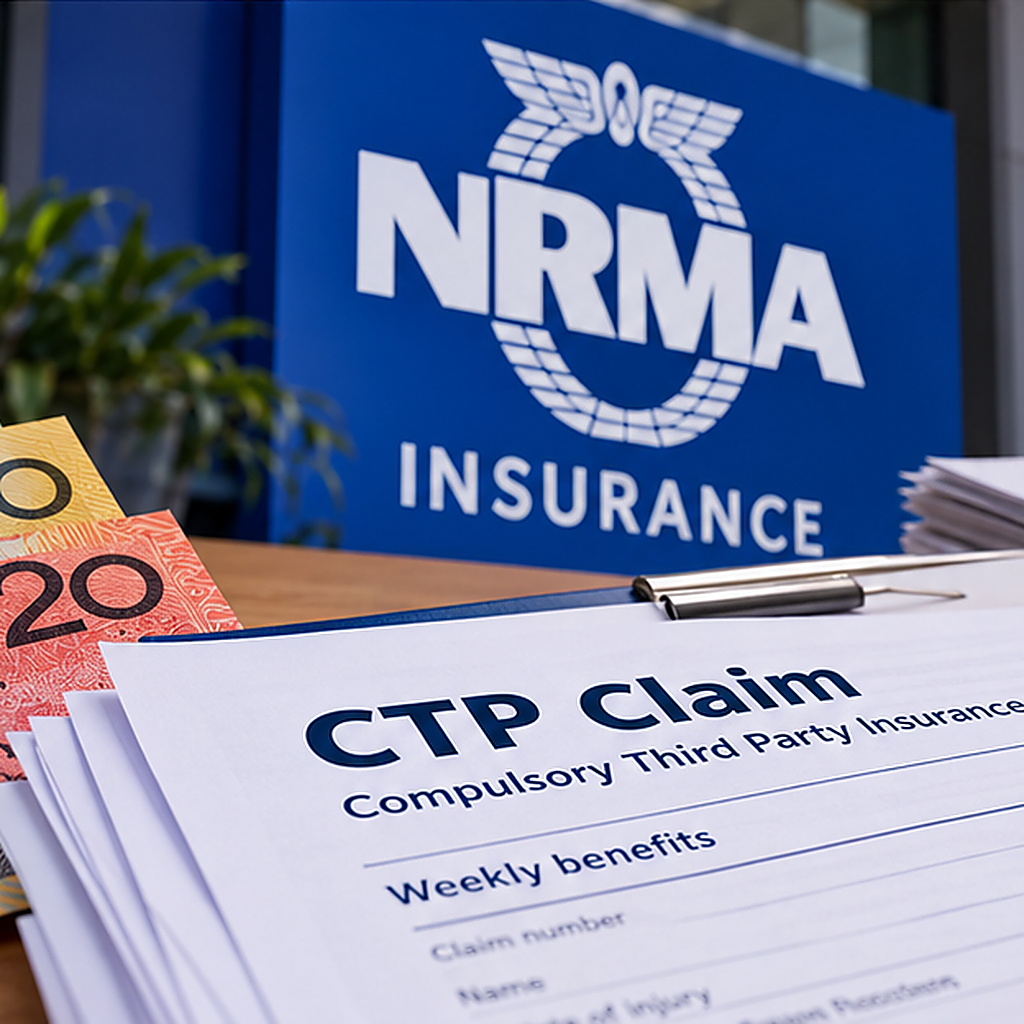
In this case the relevant issue was the way certain weekly benefits should have been adjusted over time. The scheme links adjustments to average weekly earnings so that the amount calculated for an eligible person is not simply left unchanged indefinitely. The ABC reported that the mistake concerned customers who continued receiving weekly benefits more than 78 weeks after an accident. That is a specific class of longer-running claims, not a blanket change to every CTP payment made since 2019.
NRMA Insurance acknowledged an error in the application of indexation in its payment system. According to its explanation to the ABC, it apologised to the first customer whose representative raised the discrepancy, corrected the amount owing, paid interest and notified the State Insurance Regulatory Authority, known as SIRA. The company says it has since completed a broader remediation process for affected customers. A further group of people who had received lump-sum settlements was also identified as potentially owed interest, a separate issue that should not be confused with the revised count of those underpaid weekly benefits.
The difference between the original 700 estimate and the later figure of about 400 is important. The higher number was an initial assessment, not a confirmed final total. Subsequent work narrowed the insurer’s estimate. Similarly, the $940 figure is an average underpayment reported by the insurer, not a fixed amount to which every eligible claimant was entitled. Some individual corrections could have been smaller and others larger; the company has not publicly provided a full distribution of payments in the reporting reviewed for this article.
The mistake is especially significant because income support is not an optional extra for many people recovering from crashes. A serious injury may mean time away from a job, reduced hours or a lengthy rehabilitation program. Weekly payments can help bridge the gap between a person’s pre-accident earnings and what they can earn while recovering. An error in that amount is not merely a bookkeeping issue for someone whose rent, mortgage, groceries and medical appointments continue while they are unable to work as before.
Under the NSW motor accident scheme, different rules apply during different stages of an eligible claim. The law provides for weekly earnings-related benefits during an initial entitlement period, a second period and potentially beyond 78 weeks, subject to detailed conditions. Indexation is part of maintaining the accuracy of payments over time. That framework helps explain why a relatively technical error could remain unnoticed by people who reasonably assumed a long-established insurer was applying the correct statutory formula.
The episode has also raised questions about the regulator’s ability to detect systemic mistakes. SIRA regulates insurers participating in the NSW CTP scheme. According to the ABC’s reporting, neither SIRA nor NRMA Insurance identified this particular problem before it was raised by a claimant’s legal representative, even though the regulator had previously scrutinised the company’s claims-handling practices. SIRA said it has been investigating the latest matter since May 2026 and will determine an appropriate response after that work is complete.
That distinction matters when discussing accountability. The underpayments and the company’s remedial repayments have been reported; an investigation by SIRA does not by itself establish intentional wrongdoing or predetermine the regulatory penalty, if any. The regulator may examine what went wrong, how promptly the company acted once alerted, the accuracy of remediation and whether further compliance measures are warranted. It would be premature to report a fine or a finding of deliberate fraud when neither has been established in the latest case.
There is, however, a documented history of other regulatory concerns involving NRMA Insurance. The ABC reported that in February 2023 SIRA censured the company over earlier CTP underpayments affecting more than 2,000 customers. Those repayments exceeded $735,000. Other censure letters followed in 2023 over delays involving the handling or commencement of weekly benefits. In 2024 SIRA imposed a $10,000 penalty in a separate matter involving the disclosure and application of a demerit-point loading on policies. Those earlier cases should not be described as the same indexation error uncovered in 2026.
The earlier regulatory history provides context for a fresh question: whether insurers have controls capable of identifying mistakes before a claimant or lawyer must do so. A payment platform may process an enormous number of transactions while still applying an incorrect rule consistently. When the faulty instruction is inside an automated process, repeatedly paying the same wrong amount can make a problem harder, rather than easier, to notice. That is a general risk in automated calculations; it is not a claim that NRMA Insurance intentionally designed its system to underpay people.
Greens MP Abigail Boyd criticised the failure to identify the issue and questioned the deterrent effect of previous regulatory responses. Her criticism is a political assessment, not an official finding about the company’s intentions. The company, for its part, says it corrected the problem, reimbursed affected claimants and paid interest. Both positions are relevant to assessing what has already happened and what questions remain for the regulator. Neither should be substituted for the final outcome of the investigation.
It is also essential to identify the business correctly. NRMA Insurance is a trading name of Insurance Australia Limited and is separate from the NRMA motoring organisation. The familiar name can cause confusion, especially among readers accustomed to dealing with roadside assistance and insurance under similar branding. This report concerns the insurer’s administration of CTP benefits, not an announcement that the motoring organisation has mishandled roadside-assistance subscriptions or that all NRMA-branded products are affected.
For people with a NSW CTP claim, the practical lesson is to keep copies of payment notices, any calculations provided by the insurer and correspondence about changes in earning capacity. An apparent discrepancy should be raised with the insurer, with the claim details and the relevant payment period identified. Someone unsure whether a payment is correct can seek an explanation of the calculation and the indexation applied. This is general information, not advice that every claimant has an additional payment owing.
SIRA publishes information about CTP benefits and provides the CTP Assist service for people seeking help understanding a claim. Its public information also explains how taxation may differ for weekly payments in different entitlement periods. Claimants considering whether to challenge a calculation can speak to the regulator, a qualified lawyer or an appropriate adviser about the facts of their own case. Nothing in the material reviewed establishes that people outside the identified group are entitled to the same remediation.
The wider issue is one of confidence in a compulsory scheme. Motorists pay for CTP cover because the state requires it, and injured people may rely on its statutory benefits during periods of considerable vulnerability. That creates a high expectation that insurers will accurately apply the law without requiring claimants to become experts in payment formulas. The latest error shows that even a benefit governed by a formula can be wrong when the formula is not implemented or checked properly.
For policymakers, the focus now shifts from the insurer’s reimbursement exercise to the quality of oversight and prevention. SIRA has said it required NRMA Insurance to remediate affected payments and that the company took that action. The unresolved questions concern the regulator’s final assessment, any further response within its statutory powers, and whether the lessons from this incident will change how indexation errors are detected. Those outcomes cannot be assumed before the investigation ends.
For affected motorists, the immediate result is that NRMA Insurance says the missing payments and interest have been returned. For the wider public, the case illustrates how a small-looking adjustment applied incorrectly over many weeks can become a serious fairness and accountability concern. The important numbers remain about 400 affected weekly-benefit recipients and an average shortfall of $940, not the superseded estimate of 700 as a final headcount. The next substantive development will be SIRA’s response, rather than speculation about penalties that have not been imposed.






