One of the most contentious debates at the Australian Labor Party’s National Conference in Adelaide centred not on domestic policy, taxation or housing, but on Australia’s response to the war in Gaza.
Federal Labor MP Ed Husic emerged as the leading internal voice calling for the party to adopt a significantly tougher position on Israel, arguing Australia should use its international standing to speak more forcefully about the humanitarian consequences of the conflict.
Although his proposed changes ultimately failed to reach the conference floor, the episode exposed continuing divisions within Labor over one of the most sensitive foreign policy issues confronting the Albanese Government.
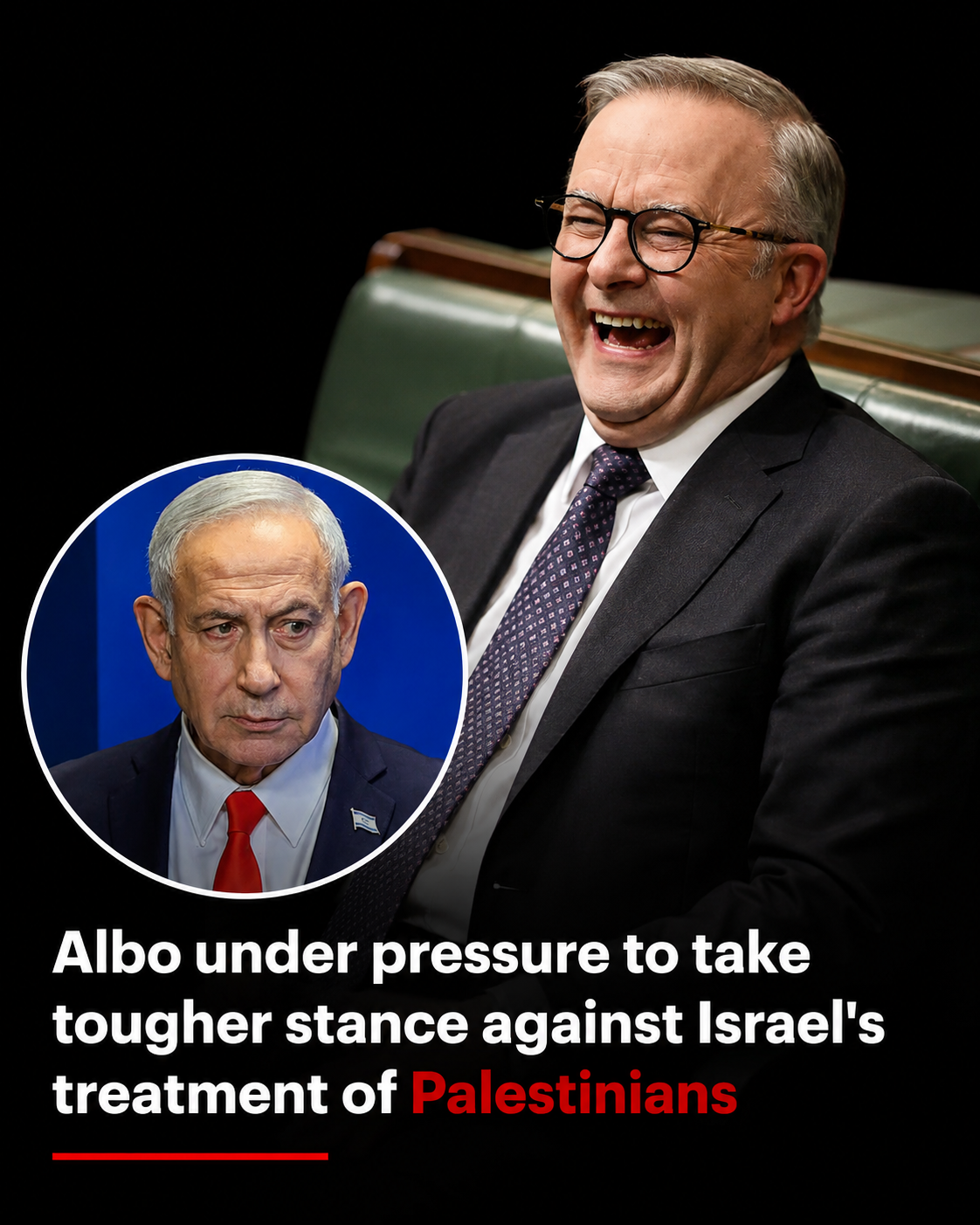
Speaking ahead of the key policy debate, Husic said he wanted amendments to Labor’s national platform that would strengthen criticism of Israel’s treatment of Palestinians and encourage the Albanese Government to take a firmer diplomatic position.
“I believe that Australia’s voice is a strong and responsible voice to be able to take action on the issue,” Husic said, arguing that Australia should contribute more actively to international efforts addressing the humanitarian crisis in Gaza.
The western Sydney MP also argued that many Australians believe Israel’s treatment of Palestinians amounts to apartheid, while expressing deep concern about the impact of the conflict on civilians, particularly children and other vulnerable people caught in the fighting.
His comments reflected growing pressure from sections of Labor’s membership, unions and grassroots activists seeking stronger language in the party’s official platform on Israel and Palestine.
The debate unfolded against the backdrop of the continuing war in Gaza, which began after Hamas launched its deadly attack on Israel on 7 October 2023. Israel responded with a large-scale military campaign aimed at dismantling Hamas, while international agencies have repeatedly warned of severe humanitarian conditions affecting civilians in Gaza.
The conflict has generated intense international debate over civilian casualties, humanitarian access, the conduct of military operations and allegations of breaches of international law. Israel rejects allegations that it has deliberately targeted civilians or committed genocide, maintaining that it is acting in self-defence against Hamas, which Australia continues to list as a terrorist organisation.
Within Australia, the conflict has become one of the most politically sensitive foreign policy issues faced by the Albanese Government.
Labor has consistently supported a negotiated two-state solution while condemning both the October 7 Hamas attacks and the humanitarian suffering experienced by Palestinian civilians. The government has repeatedly called for increased humanitarian assistance, the release of hostages and progress towards a lasting political settlement.
However, many Labor members believe Australia’s public language should go further.
Husic attempted to move amendments that would substantially strengthen the party’s criticism of Israel and reference findings from a United Nations inquiry concerning Israeli conduct during the conflict. He argued Labor should demonstrate that concern for Palestinian civilians is fully consistent with opposing terrorism and supporting Israel’s security.
Despite attracting attention before the conference, the proposal never reached a formal vote.
According to Husic, support for his motion collapsed after delegates who had initially agreed to second the proposal withdrew, preventing the amendment from proceeding through Labor’s conference procedures.
Afterwards, Husic publicly criticised what he described as an internal culture reluctant to openly debate difficult issues.
He argued that robust internal discussion should be viewed as a strength rather than evidence of party disunity.
“If you can’t have these discussions inside the party, where can you have them?” he asked during a press conference following the conference proceedings.
Prime Minister Anthony Albanese rejected suggestions that debate had been suppressed.
He insisted delegates had participated through Labor’s established policy committees and maintained that the final platform struck the appropriate balance between recognising Israel’s legitimate security concerns and supporting the rights and aspirations of Palestinians.
Albanese also emphasised that Labor MPs Josh Burns and Basem Abdo—who have personal family connections to the conflict from different perspectives—had both supported the final wording adopted by the conference.
“We’ve got the balance right,” the Prime Minister said after delegates endorsed the revised platform.
The platform ultimately adopted reaffirmed Labor’s commitment to a negotiated two-state solution and opposition to Israeli settlement expansion and occupation.
However, it also generated controversy because it removed earlier language that had explicitly called for Hamas to disarm and for reforms to the Palestinian Authority before recognition of Palestinian statehood.
That change drew criticism from several Jewish organisations, which argued the revised wording weakened Australia’s traditional bipartisan approach by placing less emphasis on Hamas’ responsibilities.
At the same time, Husic’s more far-reaching proposals failed to gain sufficient support, meaning the final platform remained substantially closer to the Albanese Government’s existing diplomatic position than to the stronger language advocated by some activists.
The outcome highlighted Albanese’s continuing authority within the Labor Party.
Observers noted that potentially divisive motions were largely resolved before reaching the conference floor, enabling the leadership to avoid a prolonged public confrontation over Middle East policy.
Nevertheless, the debate illustrated that significant differences remain inside Labor.
Some members believe Australia should align more closely with international calls for stronger diplomatic pressure on Israel, while others caution against abandoning a carefully balanced approach that also recognises Israel’s security concerns and condemns Hamas’ actions.
The issue also carries important domestic implications.
Australia has experienced heightened community tensions since the Gaza conflict began, with increases in both antisemitic and Islamophobic incidents prompting repeated appeals from political leaders for social cohesion and respectful public debate.
The Albanese Government has consistently argued that Australia’s multicultural society requires careful political leadership capable of acknowledging humanitarian concerns without inflaming domestic divisions.
That balancing act has become increasingly difficult as international legal proceedings, United Nations investigations and ongoing military developments continue shaping global debate over the conflict.
For Husic, the conference represented another example of his willingness to publicly challenge aspects of his own party’s policy.
Although unsuccessful on this occasion, he has indicated he intends to continue advocating for stronger Australian action on behalf of Palestinian civilians and greater public discussion inside Labor about Australia’s Middle East policy.
For Albanese, meanwhile, the conference reinforced both his authority and the complexity of governing a party that contains a wide range of views on international affairs.
The Prime Minister succeeded in steering Labor through one of its most potentially divisive conference debates without a damaging floor fight.
Yet the controversy surrounding Husic’s proposal demonstrated that Australia’s response to the Israel–Palestine conflict remains one of the few issues capable of exposing genuine ideological differences within the governing party.
As the humanitarian crisis in Gaza continues and international diplomatic pressure evolves, questions about Australia’s role are unlikely to disappear. Future developments overseas—and the government’s response to them—may again test Labor’s ability to maintain unity while balancing humanitarian concerns, international law, national interests and long-standing diplomatic relationships.






