Victoria’s political landscape continues to shift rapidly following the dramatic replacement of Jacinta Allan as premier, with two of her closest cabinet allies announcing they will leave politics after decades of public service.
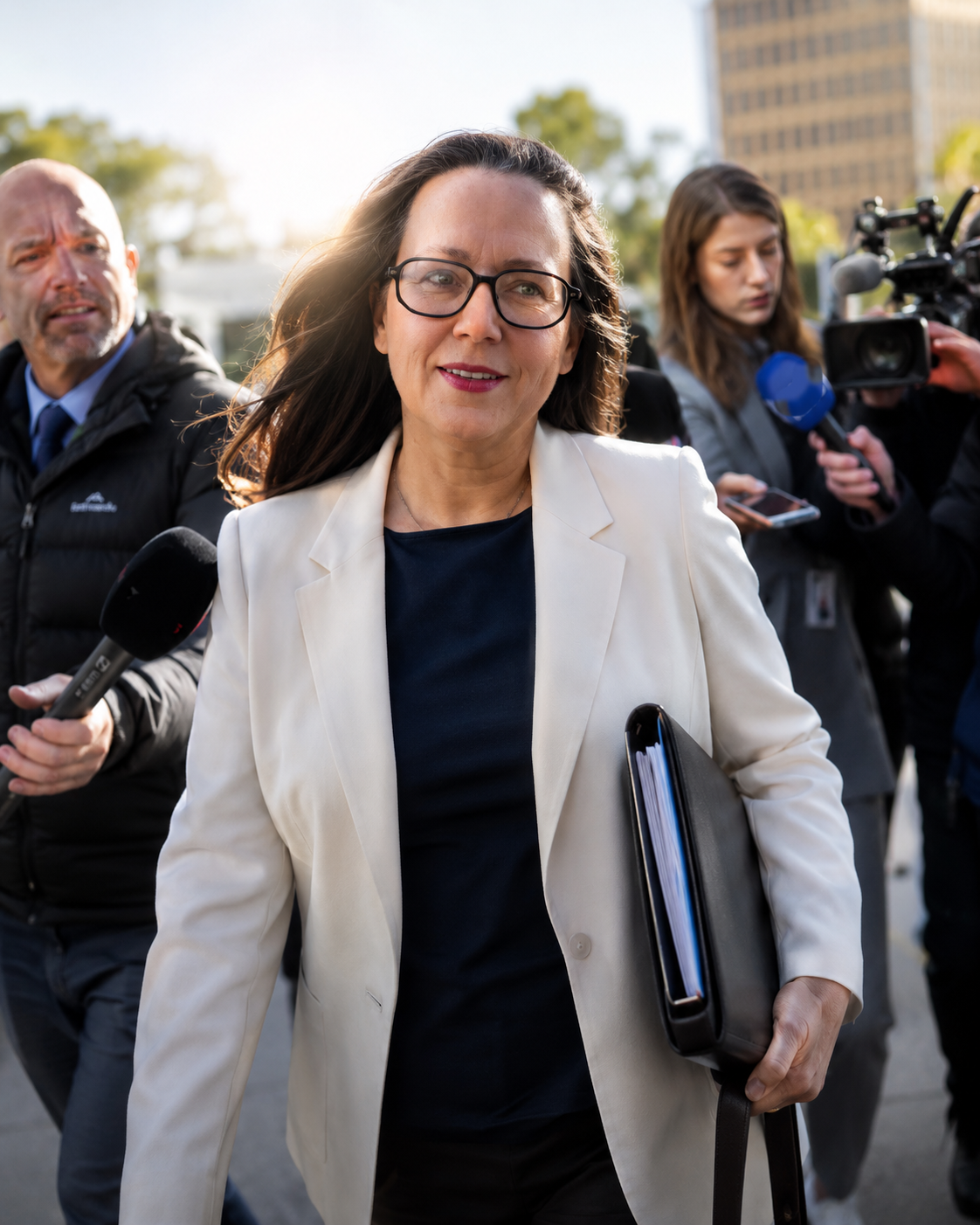
Health Minister Harriet Shing and long-serving Energy and Climate Action Minister Lily D’Ambrosio confirmed they would retire from Parliament, ending speculation over their futures only days after Ben Carroll became Victoria’s 50th premier.
The announcements came shortly after the pair publicly supported Jacinta Allan during the Labor leadership crisis that ultimately resulted in her resignation.
Both ministers were prominent members of Labor’s Socialist Left faction and were widely regarded as among Allan’s strongest supporters throughout the leadership turmoil.
According to multiple reports, they actively argued against replacing Allan with then-Deputy Premier Ben Carroll as concerns grew within the parliamentary caucus about Labor’s electoral prospects ahead of November’s state election.
Despite those factional differences, Premier Carroll praised both ministers following their announcements.
In a statement, he thanked Shing and D’Ambrosio for their years of service to Victoria.
“Over many years of dedicated service, they have brought compassion, determination and a strong sense of purpose to their roles, delivering outcomes that have improved the lives of Victorians and strengthened the communities they represent,” Carroll said.
The departures represent far more than two individual retirements.
Political observers see them as further evidence that Victoria’s recent leadership change has accelerated a broader transition within the Labor Party, with several senior figures from the Andrews–Allan era now stepping away as Carroll prepares to reshape both his ministry and the party’s election strategy.
Harriet Shing entered the Victorian Parliament in 2014 as a member of the Legislative Council representing Eastern Victoria.
During her parliamentary career she held a range of ministerial portfolios, including Regional Development, Housing, Water, Equality and, most recently, Health.
She became well known for advocating on issues including regional communities, mental health, equality and housing reform while serving under both Daniel Andrews and Jacinta Allan.
Announcing her retirement, Shing described serving Victorians as the greatest privilege of her professional life.
She said public service had been an extraordinary honour and expressed confidence in Ben Carroll’s leadership as Labor prepares for the upcoming election.
Rather than framing her decision around the leadership spill itself, Shing indicated the time had come for a new chapter after more than a decade in Parliament.
Lily D’Ambrosio’s departure marks the end of an even longer political career.
First elected to the Legislative Assembly in 2002, she became one of Victoria’s longest-serving cabinet ministers and played a central role in shaping the state’s climate, renewable energy and electricity policies.
Across successive Labor governments, she held portfolios including Energy, Climate Action, Energy and Resources and oversight of the State Electricity Commission.
She was also one of Daniel Andrews’ most trusted ministers throughout much of his premiership.
In her farewell statement, D’Ambrosio reflected on more than two decades in Parliament and thanked constituents, colleagues and staff for their support.
She said representing the electorate of Mill Park had been an enormous privilege and expressed confidence that the Labor government would continue serving Victorians under Carroll’s leadership.
The resignations leave three vacancies within Victoria’s cabinet following Allan’s own departure from the premiership.
Labor MPs are expected to meet to elect new ministers before Carroll announces a significantly reshaped cabinet.
Although several promotions are anticipated, reports suggest Carroll is unlikely to undertake a complete overhaul of the ministry, instead combining continuity with a number of high-profile changes designed to signal a fresh direction.
The timing is politically significant.
Victoria is only months away from a state election, leaving Carroll with limited time to establish his own identity while convincing voters that Labor has responded to growing public concerns over the cost of living, public debt, infrastructure governance and confidence in government.
Immediately after taking office, Carroll announced plans for a Royal Commission into Victoria’s construction sector, the appointment of a special prosecutor and expanded powers for the state’s anti-corruption watchdog, IBAC.
Those initiatives were widely interpreted as efforts to distinguish his administration from the Allan government while addressing issues that had increasingly dominated political debate.
The departures of Shing and D’Ambrosio also highlight changing factional dynamics within Victorian Labor.
Carroll’s rise returned Labor’s Right faction to the premiership for the first time since the Bracks–Brumby governments, ending more than a decade of leadership by the Socialist Left under Daniel Andrews and Jacinta Allan.
Several analysts believe the latest resignations further strengthen that shift, creating opportunities for a new generation of ministers and MPs to emerge before the election.
Both outgoing ministers leave substantial policy legacies.
Shing was closely associated with regional development, equality initiatives, housing reform and later health policy, while D’Ambrosio became one of Australia’s longest-serving energy ministers, overseeing Victoria’s renewable energy expansion, climate legislation and electricity market reforms.
Supporters have praised their commitment to progressive policy, while political opponents frequently criticised aspects of the government’s approach to energy prices, housing and infrastructure.
Regardless of those differing political views, both women were widely recognised as influential figures within Victorian Labor over many years.
Their retirements also carry practical electoral implications.
New Labor candidates will now need to defend seats and regions previously represented by experienced ministers with strong local profiles.
At the same time, Carroll gains an opportunity to refresh Labor’s frontbench and present a renewed team before Victorians head to the polls.
Political scientists note that leadership transitions often extend beyond replacing a premier.
They frequently trigger broader generational renewal as senior figures closely associated with previous administrations choose to retire rather than serve under a new leadership team.
The departures of Shing and D’Ambrosio appear to fit that pattern, symbolising the closing of a significant chapter in Victorian Labor’s recent history.
Whether the reshaped ministry strengthens Labor’s electoral position remains uncertain.
What is clear is that, within days of Jacinta Allan leaving office, the political transformation inside Victoria’s governing party has expanded well beyond the premiership itself, signalling one of the most significant internal renewals Labor has undertaken in more than a decade.






