Prime Minister Anthony Albanese has come under fresh criticism after a radio interview exchange about violence against women prompted accusations that he appeared dismissive when questioned about calls for a royal commission into the issue.
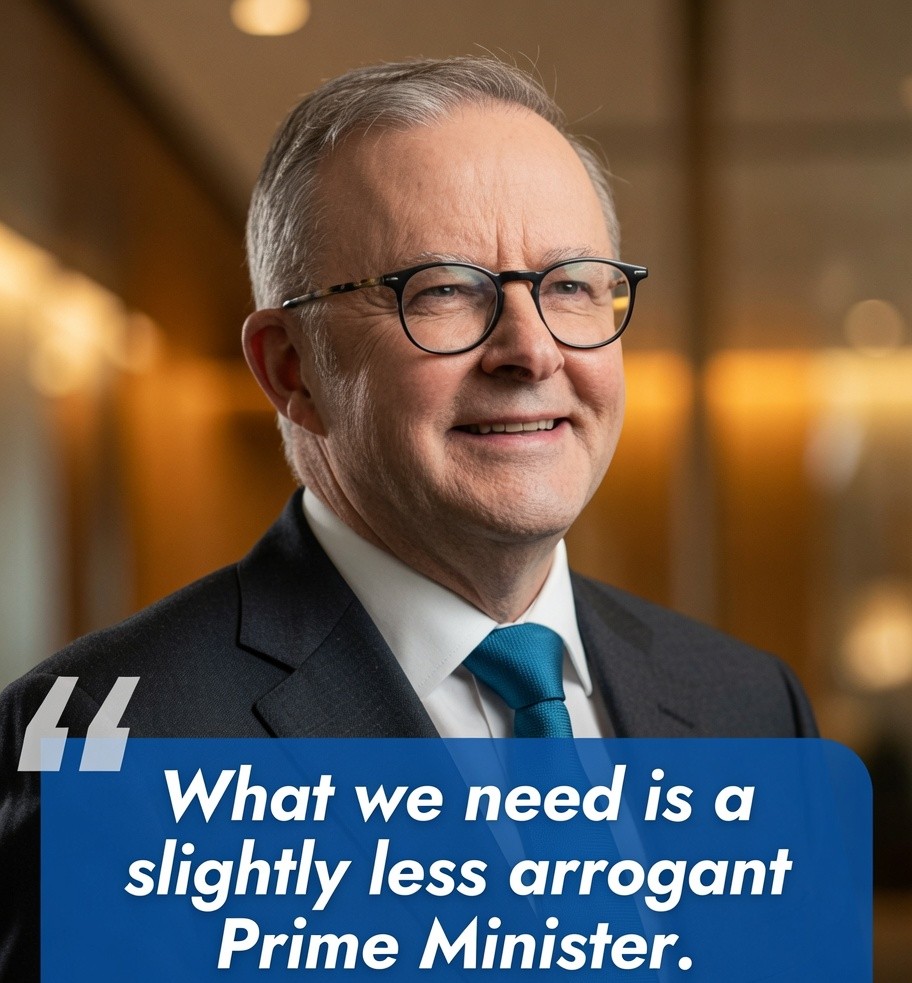
The criticism intensified after 3AW Drive host Jacqui Felgate described the Prime Minister’s response during an interview on Hobart radio as unnecessarily combative, urging Australia’s leader to “be better” when addressing one of the nation’s most sensitive public policy issues.
The exchange occurred after Albanese was asked whether his government would consider establishing a royal commission into the deaths of women resulting from family and domestic violence.
Rather than committing to such an inquiry, the Prime Minister defended the government’s existing approach, arguing that practical action and sustained investment were more important than creating another major investigation.
His response, however, drew criticism from commentators who believed the tone of the interview overshadowed the substance of the government’s position.
Speaking on her Melbourne radio program, Felgate said the interview reflected what she regarded as an increasingly defensive style from the Prime Minister.
“What we need is a slightly less arrogant Prime Minister,” she said, adding that Albanese should have approached the discussion with greater empathy given the seriousness of violence against women.
She concluded her commentary with a direct message to the Prime Minister: “Be better.”
Veteran political commentator Barrie Cassidy joined Felgate’s program to discuss the controversy, describing it as part of what had been a difficult week politically for the Prime Minister.
Cassidy suggested that a series of political controversies had combined to place additional pressure on the government, making communication and public appearances increasingly important.
He argued that leaders are often judged not only on the policies they announce but also on how they respond when challenged on emotionally charged issues.
The debate comes amid continuing national concern about violence against women and family violence.
Over recent years, governments across Australia have introduced significant funding packages aimed at improving victim support services, expanding crisis accommodation, strengthening legal protections and investing in prevention programs.
Despite those initiatives, advocacy groups have continued calling for further reforms, with some organisations arguing that a royal commission could examine systemic failures across policing, justice, housing, health and social services.
Others contend that numerous reviews have already identified many of the necessary reforms and that governments should focus on implementing existing recommendations rather than launching another lengthy inquiry.
The Albanese Government has consistently argued that its priority is delivering practical measures through the National Plan to End Violence against Women and Children, together with increased funding for frontline services and cooperation with state and territory governments.
Federal ministers have maintained that reducing family and domestic violence requires long-term investment across prevention, early intervention and victim support rather than relying on a single investigative process.
Supporters of the government’s approach argue substantial resources have already been committed to improving emergency accommodation, legal assistance, counselling services and programs addressing perpetrators’ behaviour.
Critics, however, say the continuing number of women killed each year demonstrates that stronger structural reform remains necessary.
Several advocacy organisations have renewed calls for broader accountability mechanisms, arguing that governments should examine whether existing systems are adequately protecting victims before violence escalates.
The radio controversy also highlights the increasingly important role media interviews play in shaping public perceptions of political leaders.
While governments often seek to focus attention on policy achievements, unexpected exchanges during live interviews can rapidly become major political stories, particularly when they involve issues carrying strong emotional significance.
Observers note that public expectations of political communication have evolved considerably in recent years.
Voters increasingly expect leaders to demonstrate empathy alongside policy competence, especially when discussing subjects involving public safety, mental health or family tragedy.
As a result, tone can become almost as politically significant as the content of an answer itself.
For the Opposition, the incident has provided another opportunity to question Albanese’s leadership style, while government supporters argue the Prime Minister was attempting to explain why practical reforms may deliver more immediate benefits than establishing another national inquiry.
Political analysts caution that debates over royal commissions often involve competing views rather than simple disagreements over whether action is needed.
Royal commissions can uncover systemic failures and recommend extensive reforms, but they also require significant time and resources before recommendations are implemented.
Governments therefore frequently weigh whether existing inquiries and evidence already provide sufficient guidance for policy action.
Regardless of the policy debate, the exchange has reinforced how closely the Prime Minister’s public communication is being scrutinised following Labor’s re-election.
As pressure continues over cost-of-living issues, public safety and broader government performance, even relatively brief media interviews have the potential to shape the political narrative.
Whether the latest criticism has any lasting political impact remains uncertain.
However, the episode demonstrates that discussions surrounding violence against women continue to demand not only substantive policy responses but also careful, empathetic communication from Australia’s political leaders.






