A new national opinion poll has reignited debate over Australia’s multicultural identity, with almost half of respondents saying the country’s multicultural model has served its purpose but is now failing, while others continue to defend diversity as one of Australia’s defining strengths.
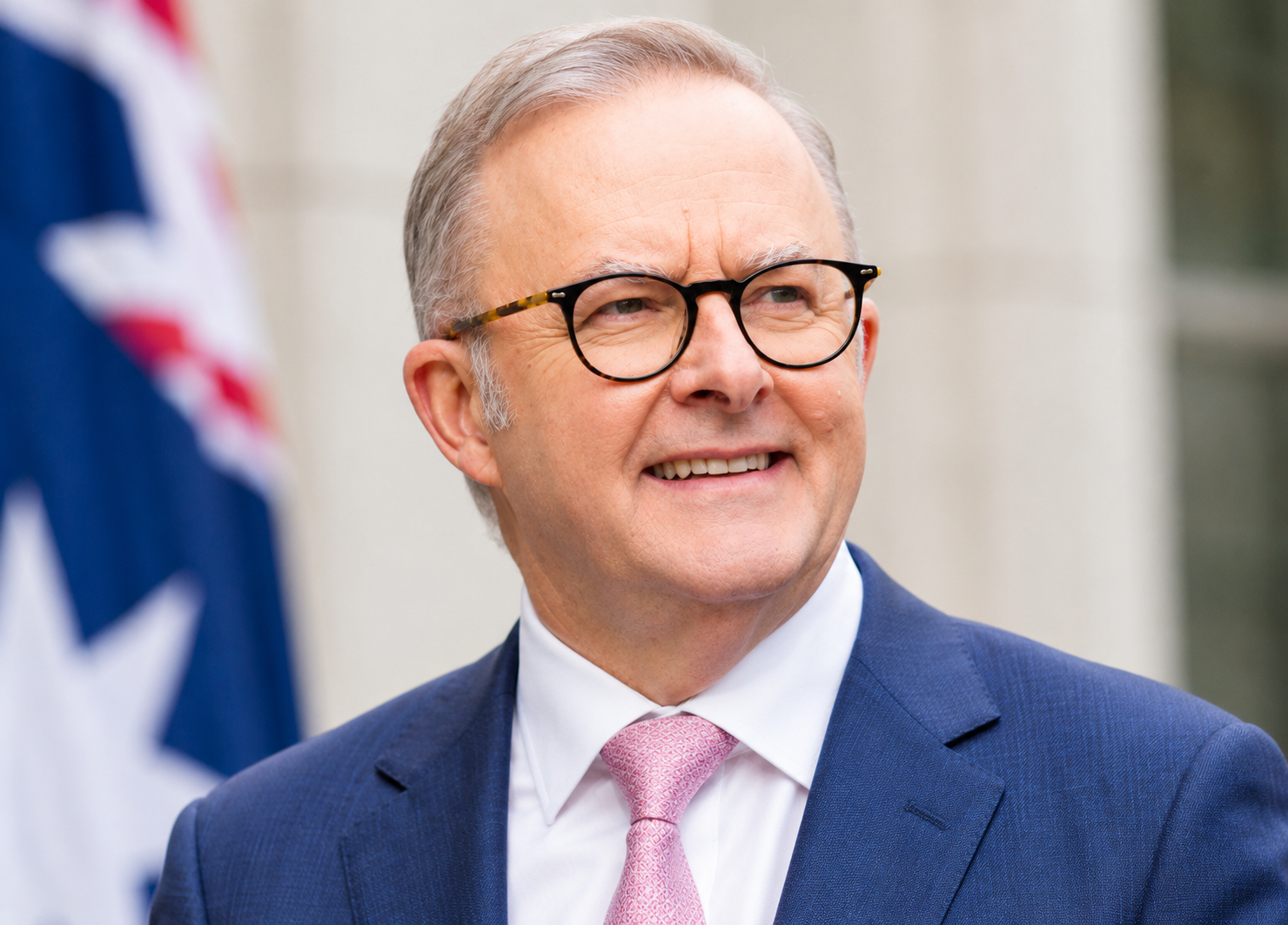
The discussion intensified after News24 published the results of its latest News24 Pulse survey, conducted by YouGov, alongside an opinion column by commentator Louise Roberts arguing that Australians are increasingly concerned about preserving the nation’s cultural identity and Western democratic traditions.
According to the survey, 46 per cent of respondents agreed that multiculturalism had “served its purpose but is now failing”, while 36 per cent disagreed with that proposition. The remaining respondents were either undecided or chose not to express a definitive view, highlighting that public opinion remains divided rather than overwhelmingly settled in either direction.
The findings emerged only days after Prime Minister Anthony Albanese urged Australians to “cherish our diversity”, reiterating his government’s longstanding position that multiculturalism remains a defining characteristic of modern Australia and a source of national strength.
Writing alongside the poll results, Roberts argued that many Australians believe the country has gradually moved away from confidently expressing its traditional national identity. In her opinion piece, she contended that public debate has increasingly discouraged expressions of national pride by portraying them as exclusionary, and suggested many Australians now want greater emphasis placed on shared civic values and cultural expectations.
It is important to note, however, that Roberts’ article is presented as opinion rather than straight news reporting, and its conclusions reflect the author’s interpretation of the polling rather than established fact.
The survey nevertheless arrives at a politically significant moment.
Questions surrounding immigration, integration, housing affordability, population growth and social cohesion have become increasingly prominent across Australian politics. Rising living costs and record migration levels over recent years have contributed to broader public discussion about whether Australia’s current migration settings remain sustainable alongside pressures on housing, infrastructure and public services.
The Albanese government has consistently defended Australia’s multicultural framework.
The Prime Minister has repeatedly argued that Australia has never been a monocultural nation and that successive waves of migration have strengthened the country’s economy, culture and international outlook. Government ministers have similarly maintained that diversity and social cohesion are complementary rather than competing goals.
Supporters of multiculturalism argue the policy has been one of Australia’s most successful post-war achievements.
Australia formally embraced multiculturalism during the 1970s after dismantling the White Australia Policy. Since then, governments of both major political parties have generally supported migration while encouraging new arrivals to participate fully in Australian civic life. Advocates point to Australia’s relatively peaceful ethnic relations, strong economic growth and successful integration of migrants from across Europe, Asia, the Middle East and Africa as evidence that the model has largely succeeded.
Critics, however, argue the policy has evolved beyond its original purpose.
Some believe governments have placed excessive emphasis on celebrating cultural differences while paying insufficient attention to shared national values, English language acquisition and social integration. Others argue rapid population growth has placed additional pressure on housing, transport infrastructure and essential public services, even if those challenges stem from multiple economic and planning factors rather than migration alone.
The latest polling does not establish why respondents reached their conclusions.
While the survey measured attitudes towards multiculturalism, it did not ask participants to identify the primary reasons behind their views. Consequently, the results cannot determine whether concerns relate principally to migration levels, cultural integration, economic pressures, housing affordability, crime, social cohesion or broader political dissatisfaction.
Political analysts note that issues surrounding national identity have become increasingly influential in democracies across Europe and North America over the past decade. Debates about immigration, integration and national values have featured prominently in elections across the United Kingdom, France, Germany, the Netherlands and several Scandinavian countries, often alongside broader discussions about economic insecurity and population change.
Australia has experienced similar debates, although within a distinctly different historical and constitutional context.
Unlike several European nations, Australia’s immigration program has traditionally enjoyed bipartisan political support. At the same time, governments have periodically adjusted migration levels to respond to labour market needs, economic conditions and infrastructure capacity.
The poll’s publication also comes amid renewed political attention on migration policy.
One Nation has recently intensified calls for lower immigration levels and stronger emphasis on cultural assimilation, while the Coalition has proposed measures aimed at reducing net overseas migration. Labor, by contrast, continues to argue that skilled migration remains essential for economic growth while acknowledging that housing supply and infrastructure must keep pace with population increases.
Researchers caution against interpreting a single opinion poll as evidence of a permanent shift in public attitudes.
Public opinion on complex social issues often changes in response to economic conditions, major political events and international developments. Housing affordability, cost-of-living pressures and concerns about public services may all influence perceptions of migration and multiculturalism, even where respondents continue to support diversity in principle.
The latest News24 Pulse results therefore provide a snapshot of public sentiment rather than a definitive verdict on Australia’s multicultural model. They do, however, indicate that questions about national identity remain politically salient and continue to generate strong and sometimes sharply contrasting opinions among Australians.
As political parties prepare for future policy debates on immigration, housing and social cohesion, the discussion surrounding multiculturalism is likely to remain central to Australia’s national conversation. Whether policymakers respond by reinforcing existing multicultural policies, adjusting migration settings or placing greater emphasis on civic integration, the challenge will be balancing economic needs, community confidence and the values that many Australians regard as fundamental to the nation’s identity.






