Prime Minister Anthony Albanese is facing mounting political pressure after Opposition Leader Angus Taylor demanded the government take action over Labor MP Luke Gosling, who has been charged with assault and says he will vigorously contest the allegations.
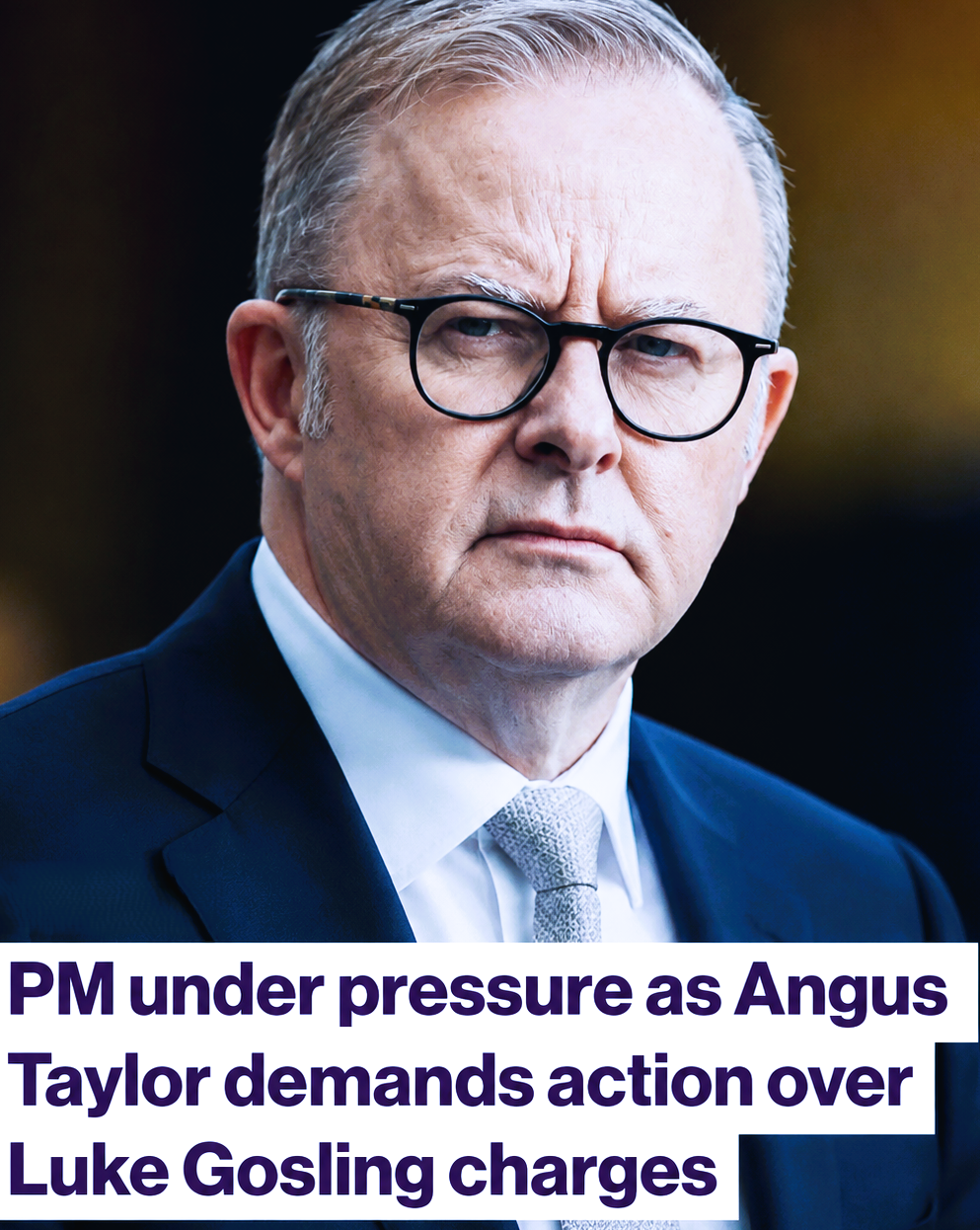
The latest controversy has become a significant test for the Albanese government, with the Coalition arguing that the Prime Minister must demonstrate the same standards of accountability he has demanded in previous political controversies.
Luke Gosling, the federal Labor member for Solomon in the Northern Territory, has been charged with two counts of assault following an alleged incident involving Northern Territory Administrator David Connolly during the Thailand Grand Festival in Darwin on 18 July.
Gosling denies the allegations and has confirmed he intends to contest the charges in court. He has not entered a guilty plea, and the matter is scheduled to return to court later this year.
In a public statement following the charges, Gosling said he respected the legal process but maintained his innocence.
“I will contest these charges,” he said, thanking supporters while indicating he intended to continue serving his constituents throughout the legal proceedings.
The charges immediately prompted criticism from the Coalition.
Opposition Leader Angus Taylor argued that the Prime Minister should intervene, questioning whether Gosling should continue serving as the government’s Special Envoy for Defence, Veterans’ Affairs and Northern Australia while facing criminal proceedings.
Taylor said Australians expected high standards from members of Parliament, particularly those holding additional representative responsibilities on behalf of the Commonwealth.
He argued the issue was about ministerial accountability and public confidence rather than prejudging the outcome of the criminal case.
The Coalition’s criticism has been echoed by several opposition frontbench figures.
Shadow Defence Minister James Paterson has called for Gosling to step aside from his envoy responsibilities until the legal proceedings are resolved, while Northern Territory Senator Jacinta Nampijinpa Price has also questioned why the government has not acted more decisively.
The political pressure comes while Prime Minister Albanese is on leave, leaving Acting Prime Minister Richard Marles to respond on behalf of the government.
Marles has emphasised the long-established legal principle that every Australian is presumed innocent until proven guilty.
He confirmed he had spoken with Gosling following the charges but indicated there were no immediate plans to remove him from his envoy positions.
“People are entitled to the presumption of innocence,” Marles said, arguing that the judicial process should be allowed to proceed without political interference.
Attorney-General Michelle Rowland has similarly declined to comment in detail on the allegations, citing the ongoing court proceedings while acknowledging the seriousness of the matter.
Government ministers have repeatedly stressed that it would be inappropriate to make findings before the courts have considered the evidence.
The circumstances surrounding Gosling’s arrest have themselves become politically contentious.
His legal team has questioned why Northern Territory Police chose to arrest him rather than issue a summons, arguing that Gosling had been cooperative and intended to contest the allegations through the courts.
His barrister suggested the decision to arrest rather than simply require a court appearance was unusual.
Northern Territory Police have firmly rejected suggestions that politics played any role in their investigation.
Police said investigators made multiple attempts to contact Gosling before his arrest and insisted the case had been handled in accordance with standard investigative procedures regardless of his position as a federal MP.
The alleged incident centres on claims that Gosling assaulted Northern Territory Administrator David Connolly during a public cultural festival in Darwin.
Specific details of the alleged conduct have not yet been tested in court, and prosecutors have not publicly outlined the full evidentiary basis of the charges.
Because the matter remains before the courts, many factual issues remain disputed.
Legal experts note that Australian courts apply the presumption of innocence throughout criminal proceedings, meaning the charges alone do not establish criminal liability.
Gosling’s legal representatives have indicated they will vigorously challenge the prosecution case when proceedings continue.
The political implications, however, extend beyond the courtroom.
Gosling has represented the Darwin-based electorate of Solomon since 2016 and is regarded as one of Labor’s most prominent Northern Territory MPs.
A former Australian Army commando, he has frequently spoken on defence, veterans’ affairs and northern development and was appointed as a Special Envoy to advise the government in those areas.
The Coalition argues that these additional responsibilities make the current controversy particularly significant because the envoy role carries national and international representational functions.
Labor, by contrast, maintains that removing an MP from appointed responsibilities solely because charges have been laid risks undermining the presumption of innocence that applies to every Australian citizen.
The dispute reflects a broader political debate about accountability standards for elected representatives.
Australian governments and oppositions have historically adopted differing approaches depending on whether allegations involve ministers, parliamentary secretaries, backbench MPs or special envoys.
Some politicians have temporarily stepped aside while legal matters proceed, while others have remained in office until courts determined the outcome of criminal proceedings.
There is no automatic legal requirement requiring a federal MP charged with an offence to resign or surrender parliamentary office.
Instead, decisions about ministerial appointments and additional government responsibilities generally remain matters for the Prime Minister or the government of the day.
For Anthony Albanese, the issue presents both legal and political challenges.
Any decision to remove Gosling from his envoy role before a court outcome could attract criticism for undermining due process.
Conversely, allowing him to continue could expose the government to ongoing political attacks from the Coalition, particularly if the case remains before the courts for an extended period.
Political analysts suggest the Opposition is likely to continue highlighting the issue as Parliament resumes, arguing that the government should apply consistent standards of accountability across all members of its parliamentary team.
Labor is expected to continue defending its position by emphasising judicial independence and the importance of allowing criminal proceedings to unfold without political interference.
The case also arrives during an already challenging period for the Albanese government, with intense parliamentary debate over cost-of-living pressures, migration policy, national security and a series of high-profile political controversies competing for public attention.
Whether the Gosling matter develops into a prolonged political issue may depend as much on the pace of the court proceedings as on developments inside Parliament.
For now, the legal position remains clear: Luke Gosling has been charged, he denies the allegations, and he has publicly committed to contesting them in court.
At the same time, the political pressure on Anthony Albanese continues to build as the Coalition argues the Prime Minister should take stronger action over one of his own MPs while the judicial process runs its course.






