Opposition Leader Angus Taylor has indicated the Coalition is prepared to consider preference arrangements with Pauline Hanson’s One Nation ahead of the next federal election, arguing that growing voter frustration with the Albanese Government has reshaped Australia’s political landscape and requires a pragmatic electoral response.
The comments represent one of Taylor’s clearest acknowledgements that the Coalition may need to work constructively with minor parties if it hopes to return to government in 2028 following its heavy election defeat.
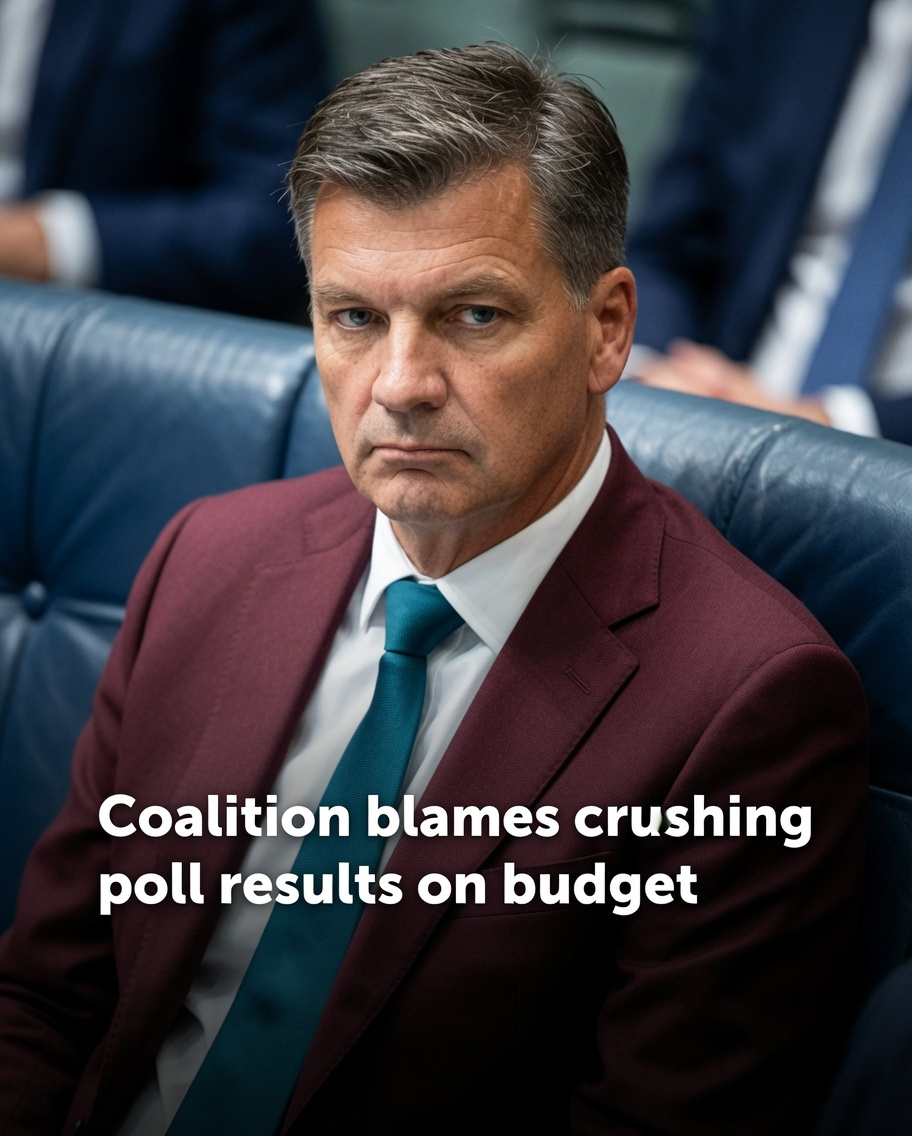
Speaking after an interview with The Sydney Morning Herald, Taylor argued that public confidence in Australia’s traditional political parties had been further damaged by Labor’s recent federal budget, particularly after the government altered policies relating to capital gains tax concessions and negative gearing despite previous election commitments.
He said many Australians felt let down by what he described as a broken promise.
“They’ve had a gutful. They’re swinging the bat, and I don’t blame them,” Taylor told reporters.
While insisting the Coalition’s priority is rebuilding public trust, Taylor did not rule out preference negotiations with One Nation before Australians next head to the polls.
“These are decisions that will ultimately be made by party organisations over time, but we will work with others to get rid of this rotten Labor government,” he said.
His comments stop short of proposing a formal coalition agreement with Pauline Hanson’s party.
Instead, they point towards the possibility of electoral preference arrangements, which are a long-established feature of Australia’s preferential voting system.
Under the federal electoral system, voters rank candidates in order of preference. Political parties frequently recommend how supporters might allocate preferences through “how-to-vote” cards, although individual voters remain free to number candidates however they choose.
Preference agreements therefore differ significantly from coalition governments or formal governing alliances.
They influence electoral strategy rather than requiring parties to share cabinet positions or adopt common policy platforms.
Taylor’s remarks come as One Nation continues to occupy an increasingly influential position within conservative politics.
After a sharp rise in support over recent months, Pauline Hanson’s party has become a significant force in opinion polling, particularly among voters dissatisfied with both Labor and the Coalition.
Although some recent surveys suggest One Nation’s support has eased slightly after reaching historic highs, the party remains substantially stronger than it has been during much of the past decade.
Pauline Hanson has repeatedly signalled that she would consider cooperating with the Coalition if it helped remove Labor from government.
However, she has also indicated she would prefer any arrangement to remain informal rather than entering a traditional coalition agreement that could require One Nation MPs to follow cabinet solidarity or vote automatically with another party.
Maintaining policy independence has long been central to Hanson’s political strategy, allowing One Nation to support or oppose legislation on a case-by-case basis.
The possibility of closer electoral cooperation nevertheless presents both opportunities and risks for the Coalition.
Preference deals have historically helped conservative parties compete in closely contested seats where the combined non-Labor vote exceeds Labor’s primary vote.
At the same time, a closer association with One Nation could create challenges for Liberal candidates contesting metropolitan electorates where moderate voters may be less receptive to the party’s positions on immigration, multiculturalism and climate policy.
Political analysts have suggested Angus Taylor’s leadership faces the difficult task of preventing conservative voters from drifting towards One Nation while also maintaining support among traditional Liberal voters in urban Australia.
That balancing act has become more complicated following the Coalition’s election defeat.
Taylor has argued that rebuilding public confidence requires acknowledging why many Australians have become disillusioned with mainstream politics.
In his latest comments, he suggested Labor’s handling of tax policy had reinforced broader concerns about political trust.
The government rejects those criticisms.
Labor ministers have defended the budget as a necessary response to housing affordability pressures and broader fiscal challenges, arguing that the changes represent responsible economic management rather than a breach of public confidence.
Treasurer Jim Chalmers has also argued that structural tax reform is necessary to improve housing access and strengthen the federal budget over the long term.
The debate over tax policy therefore forms part of a much broader political contest centred on cost-of-living pressures, housing affordability, economic management and public trust.
Those issues have become increasingly significant as Australian politics continues to fragment.
Support for the two major parties has gradually declined over recent decades, while minor parties and independents have attracted a growing share of first-preference votes.
That trend has increased the strategic importance of preference flows in determining election outcomes.
Even where One Nation candidates do not win seats themselves, the direction of preferences can influence closely contested electorates across regional Australia and outer metropolitan areas.
The Coalition has previously entered preference arrangements with One Nation in some state elections while taking different approaches federally, reflecting differing political circumstances and organisational decisions across jurisdictions.
Taylor’s latest comments therefore leave considerable flexibility for future negotiations rather than committing the Coalition to any specific electoral strategy.
The discussion also comes amid renewed attention on One Nation’s political momentum.
Pauline Hanson has recently attracted significant media attention through high-profile speeches on immigration and national identity, overseas appearances at conservative political events, and her continued criticism of Labor’s economic and migration policies.
Those activities have helped keep One Nation at the centre of Australia’s political debate despite recent fluctuations in opinion polling.
For the Coalition, the challenge is broader than simply responding to One Nation.
Following one of the worst federal election results in its history, the opposition must rebuild support across both metropolitan and regional electorates while presenting itself as a credible alternative government.
Taylor has repeatedly said restoring public trust will be central to that effort.
Whether closer electoral cooperation with One Nation ultimately becomes part of that strategy remains uncertain.
Preference arrangements are typically negotiated much closer to election day, and party organisations—not parliamentary leaders alone—play a central role in determining final recommendations.
With the next federal election still some time away, Taylor’s comments should be viewed as signalling openness rather than announcing a formal agreement.
Nevertheless, they underline how profoundly Australia’s political landscape has shifted.
As support for minor parties grows and voter loyalty to the major parties becomes less predictable, preference negotiations are likely to play an increasingly important role in shaping the path to government.






