Australia’s national broadcaster has reversed course following days of intense criticism over a controversial television segment depicting graphic violence against mining billionaire Gina Rinehart, with the ABC confirming the matter has now been referred to its independent internal Ombudsman for review.
The decision follows mounting political pressure, widespread public criticism and renewed questions about the broadcaster’s editorial standards after the program aired a satirical segment containing violent imagery directed at one of Australia’s most prominent business figures.
Communications Minister Anika Wells also broke her silence after declining for several days to comment directly on the controversy, describing the broadcast as “unacceptable” while stopping short of directing the ABC to apologise or intervene editorially. 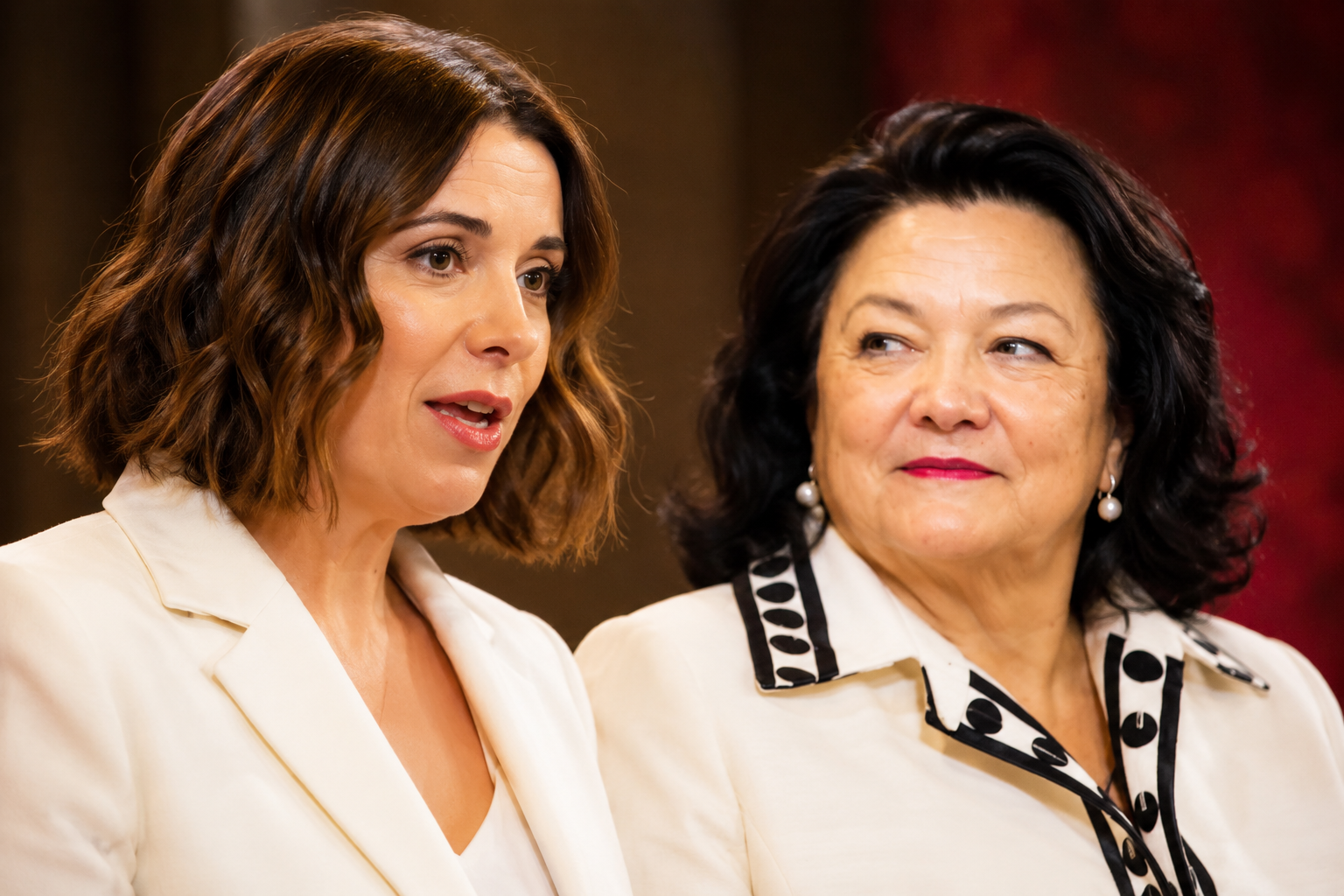
The controversy centres on a four-minute segment that aired during the ABC’s Race Around The World program.
The film, created by contestant Kate McGuinness, concluded with graphic and violent imagery directed at Gina Rinehart. The content immediately drew criticism from political figures, industry organisations and Hancock Prospecting, Rinehart’s company, which argued the broadcast normalised violence and breached community standards.
When criticism first emerged, the ABC defended the segment.
A spokesperson said the film was intended to be satirical in tone and was considered “editorially justifiable” within the broader context of the program. That initial response attracted further criticism from opponents, who argued the broadcaster had failed to recognise the seriousness of depicting graphic violence against a real individual.
ABC changes course
Only days after publicly defending the broadcast, the ABC confirmed that audience complaints would instead be examined through its formal complaints process by the ABC Ombudsman’s Office.
The broadcaster told media outlets that complaints regarding the program would be reviewed “in accordance with the ABC’s complaints handling process.”
The Ombudsman operates independently within the ABC and reports directly to the ABC Board rather than to management responsible for producing individual programs.
Although the referral does not determine whether editorial standards were breached, it represents the broadcaster’s most significant formal response since the controversy began.
Anika Wells finally responds
Communications Minister Anika Wells came under increasing pressure after initially declining to publicly condemn the broadcast despite repeated questions from journalists.
When she eventually addressed the matter, Wells distinguished between her personal opinion and her ministerial responsibilities.
“My personal view is it’s unacceptable. Like any Australian, there’s stuff I see on TV that I don’t agree with,” Wells said.
She added that, while she respected the ABC’s editorial independence as Communications Minister, she believed referring the matter to the Ombudsman was the appropriate next step.
“As the Minister for Communications, I respect the editorial independence of the ABC, but I understand they have now referred it to the Ombudsman.”
Her comments attempted to balance criticism of the content with the longstanding convention that governments do not interfere directly in editorial decisions made by Australia’s public broadcaster.
Editorial independence versus accountability
The incident has reignited an enduring debate over how editorial independence should operate within publicly funded media organisations.
The ABC receives more than A$1 billion annually in Commonwealth funding but operates under legislation requiring it to make editorial decisions independently of government.
That independence is widely regarded as fundamental to protecting the broadcaster from political interference.
However, critics argue editorial independence should not prevent scrutiny when content is alleged to breach the ABC’s own Editorial Policies or community standards.
Supporters of the broadcaster counter that creative programming often includes satire, provocative artistic expression and challenging political commentary, all of which are protected forms of expression within appropriate editorial frameworks.
The current dispute sits squarely at the intersection of those competing principles.
Hancock Prospecting demands an apology
Hancock Prospecting responded strongly after the segment aired.
The company described the material as “appalling” and called on the ABC to remove the segment, issue a public apology and investigate how the content progressed through the broadcaster’s editorial approval processes.
Company representatives argued the material depicted graphic violence against Gina Rinehart in a manner inconsistent with community expectations for Australia’s national broadcaster.
The company also questioned whether the content complied with the ABC’s Charter and Editorial Policies concerning harm and offence.
Political reactions broaden
The controversy has extended well beyond Hancock Prospecting.
Several politicians, media commentators and industry organisations have criticised the ABC’s original defence of the segment, arguing that content depicting graphic violence against a public figure should never have been broadcast regardless of its satirical intent.
The Minerals Council of Australia also expressed concern, arguing Australia’s publicly funded broadcaster has a responsibility to uphold high editorial standards and avoid material that could normalise violence against women.
Others have defended the broader principle of artistic freedom while acknowledging that audiences are entitled to question whether particular content satisfies the ABC’s own editorial guidelines.
What the Ombudsman will examine
The ABC Ombudsman’s Office functions as an independent internal review body responsible for examining complaints that cannot be resolved through the broadcaster’s initial complaints process.
Its role is not to assess political opinion but to determine whether ABC Editorial Policies were correctly applied during production, approval and broadcast.
Potential areas of examination could include whether the segment complied with policies relating to harm and offence, impartiality, editorial judgment and the broadcaster’s obligations to audiences.
The Ombudsman has authority to recommend findings and identify whether editorial processes should change, although its decisions do not carry the force of a court ruling.
A wider conversation about satire
The dispute has also prompted renewed discussion about where satire ends and unacceptable depictions of violence begin.
Australian media has a long tradition of political satire targeting politicians, business leaders and other public figures.
However, critics argue there is an important distinction between robust satire and graphic depictions of physical violence directed at identifiable individuals.
Supporters of broad artistic freedom caution against imposing overly restrictive standards that might discourage provocative political commentary or creative expression.
The disagreement illustrates how difficult those boundaries can become when humour, politics and violence intersect.
What happens next?
For now, the ABC has not withdrawn its original explanation that the segment was intended to be satirical, but it has acknowledged the seriousness of audience complaints by referring them to the Ombudsman.
No findings have yet been made regarding whether the broadcaster breached its Editorial Policies, and no external regulatory action has been announced.
The Ombudsman’s review is expected to determine whether editorial procedures were properly followed and whether any further action is required.
The episode has become one of the most significant editorial controversies facing the ABC this year, highlighting the complex balance between editorial independence, creative freedom, public accountability and community expectations. While Communications Minister Anika Wells has made clear that she personally considered the segment unacceptable, she has also reinforced the long-established principle that governments should not direct the editorial decisions of Australia’s national broadcaster.
Whether the Ombudsman’s review ultimately upholds the ABC’s original editorial judgment or recommends changes to its handling of the broadcast, the controversy is likely to remain an important reference point in future debates about the responsibilities of publicly funded media and the boundaries of political satire in Australia.






