One Nation is entering a period of increased political attention as the party seeks to convert recent polling momentum into stronger parliamentary representation, with several emerging figures expected to play a larger role in its future direction.
According to published reports, the party is increasingly relying on a new generation of senior representatives whose political backgrounds differ significantly. One profile highlights an individual who previously supported the Liberal Party before joining One Nation, while another traces the career of a staff member who began working closely with Pauline Hanson before progressing into elected politics.
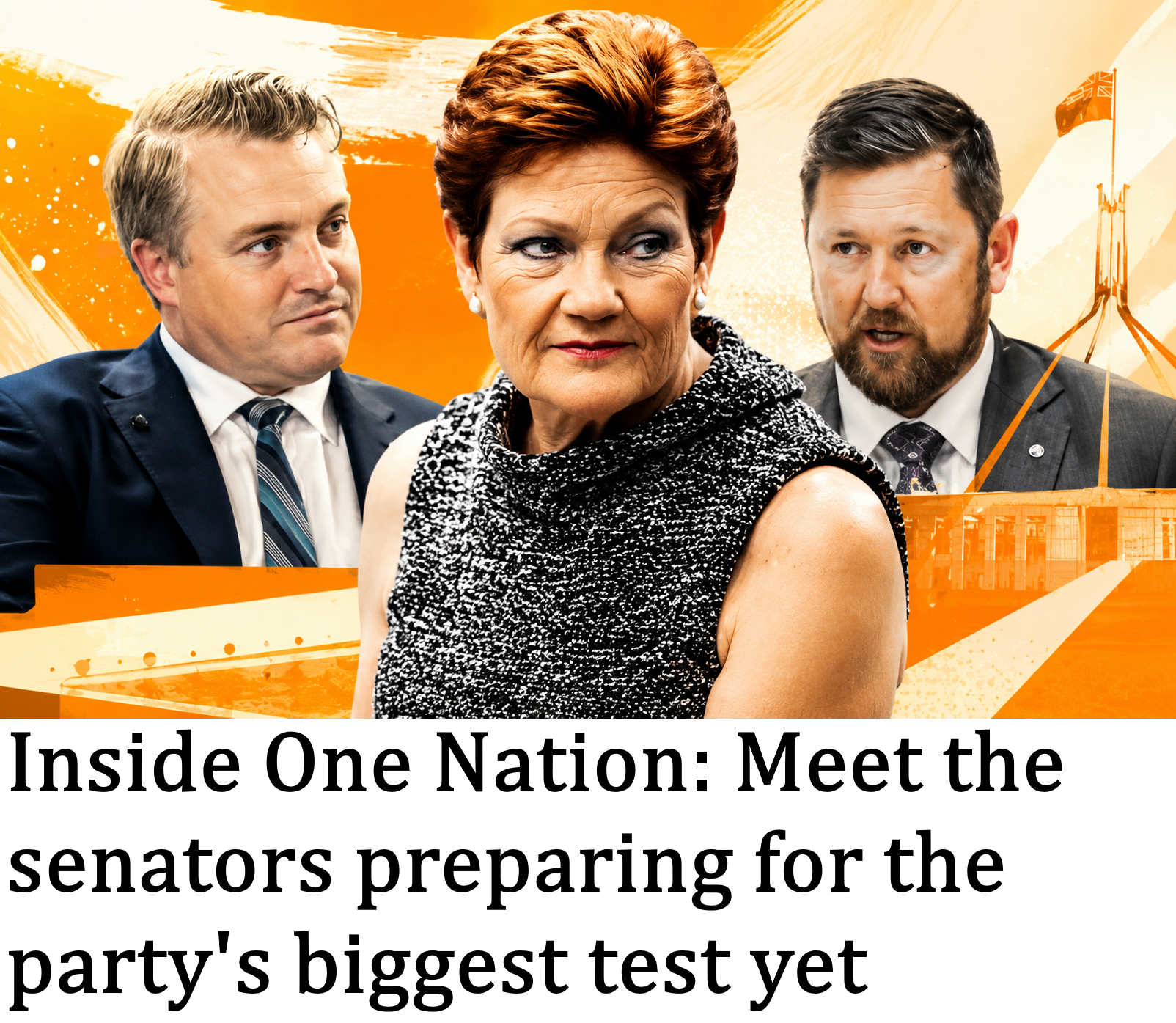
The report comes at a time when One Nation has attracted increased public attention following stronger opinion polling and renewed discussion about the party’s influence within Australian politics. Political observers note that periods of growing electoral support often place greater focus on a party’s broader leadership team rather than its most recognisable public figures alone.
Pauline Hanson has led One Nation for decades and remains closely associated with the party’s identity and policy platform. However, as political organisations expand, they commonly develop additional senior figures responsible for parliamentary work, policy development, media engagement and election campaigning.
Political scientists note that leadership succession and organisational depth are important considerations for all political parties. A party seeking sustained electoral growth generally requires experienced candidates, effective campaign structures and the ability to communicate policies across multiple electorates and states.
Supporters of One Nation argue that the party’s recent momentum reflects growing public concern over issues such as housing affordability, immigration, cost-of-living pressures and government spending. Critics, meanwhile, continue to challenge elements of the party’s policy agenda and question whether increased polling support will translate into long-term electoral success.
Election experts caution that opinion polling and election outcomes are not always closely aligned. Australia’s preferential voting system, local candidate performance and electorate-specific dynamics can all influence how polling support is ultimately reflected in parliamentary representation.
As future elections approach, voters are likely to see increased attention given to both party leaders and emerging political figures across the major and minor parties. Leadership profiles, policy proposals and campaign performance will all contribute to shaping public perceptions during the electoral cycle.
Whether One Nation’s current momentum continues will depend on a range of factors, including voter priorities, campaign effectiveness, broader economic conditions and the responses of other political parties. The coming electoral contests are expected to provide a clearer indication of how the party’s expanding leadership team performs under increased national scrutiny.






