Australia’s housing affordability debate has intensified following a recent opinion article arguing that the country’s housing challenges are being driven primarily by strong population growth and housing supply pressures rather than investor activity alone.
The commentary criticises recent property-related tax reforms introduced by the Federal Government, suggesting that policies targeting investors may discourage housing investment without addressing what the author describes as the underlying causes of the housing shortage. These views represent the opinion of the article’s author and should not be interpreted as established economic fact.
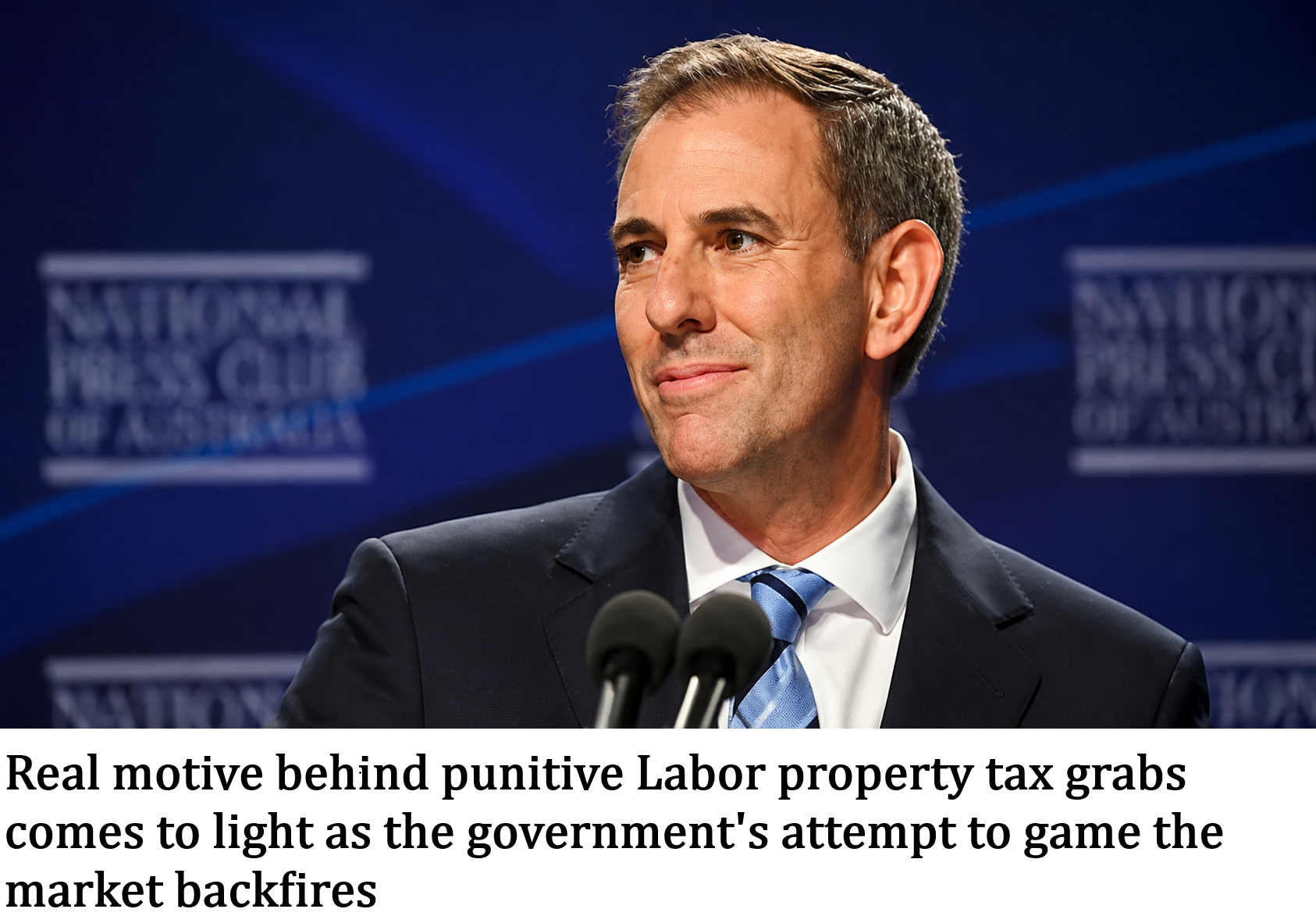
The Albanese Government has defended its housing policies, stating that recent reforms are intended to improve affordability, strengthen the housing market over the long term and increase opportunities for first-home buyers. Government ministers have argued that a combination of housing initiatives, planning reforms and targeted tax measures can help address affordability challenges.
Housing economists generally agree that Australia’s property market is influenced by multiple interconnected factors rather than a single cause. Population growth, migration, housing supply, construction activity, interest rates, taxation policy, planning regulations, labour availability and consumer confidence all contribute to changes in housing demand and prices.
Some analysts argue that strong migration can increase demand for housing, particularly in major cities where new arrivals often settle. Others note that migration also supports economic growth, workforce participation and demand for new housing construction, making its overall impact more complex than simple supply-and-demand calculations.
Debate also continues over the role of property investors in Australia’s housing market. Supporters of investment incentives argue that investors contribute to the supply of rental accommodation and help finance new housing development. Critics contend that some tax settings may encourage investment demand in ways that place upward pressure on housing prices, particularly in markets where supply remains constrained.
Financial experts emphasise that housing affordability is unlikely to improve through a single policy change alone. Expanding housing supply, improving planning processes, supporting infrastructure development, encouraging construction activity and maintaining stable economic conditions are frequently identified as complementary elements of a broader housing strategy.
Public discussion over housing policy remains one of Australia’s most significant economic debates, with governments, industry groups, economists and community organisations offering differing views on the most effective path forward. Proposed solutions continue to vary depending on how different stakeholders assess the relative importance of demand, supply and taxation.
As Australia continues responding to affordability pressures, future housing outcomes will depend on a combination of economic conditions, policy decisions, construction activity and demographic trends. Ongoing debate reflects the complexity of balancing housing affordability, investment, rental supply and long-term economic growth.






