Recent opinion polling and heightened public attention have renewed discussion about One Nation’s political position, prompting debate over whether the party’s recent momentum represents a lasting shift in Australian politics or a temporary rise in support.
An opinion article argues that Pauline Hanson’s recent address at the National Press Club may prove to be the high point of the party’s current resurgence. According to the commentary, increased media attention and favourable polling do not necessarily guarantee sustained electoral success, particularly within Australia’s preferential voting system. These views reflect the author’s analysis rather than established political fact.
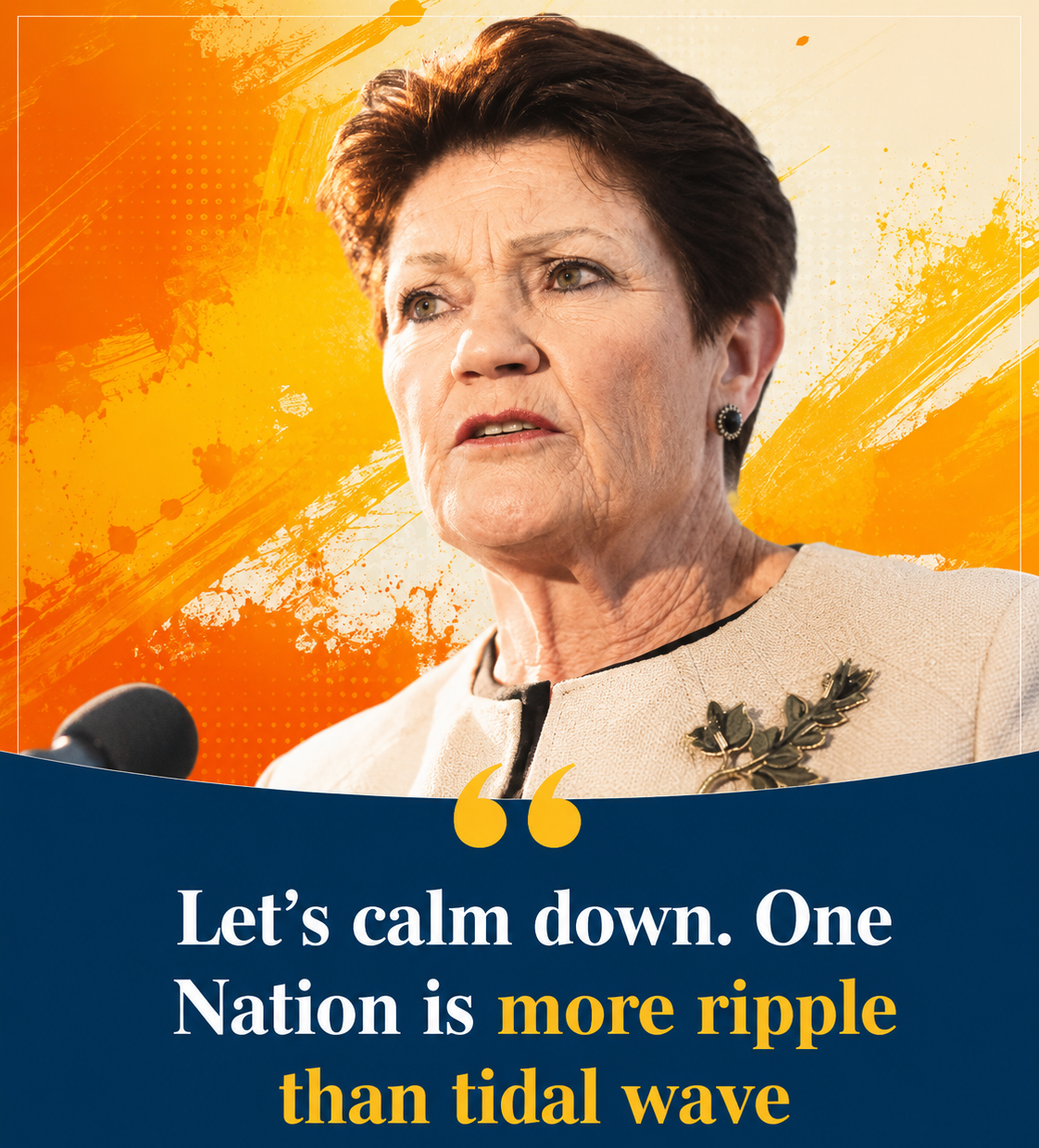
One Nation has received renewed attention following recent opinion polls suggesting stronger support in parts of Australia. The party has continued emphasising issues including cost-of-living pressures, housing affordability, immigration, energy policy and government accountability as key elements of its political platform.
Supporters argue that these issues have become increasingly important to many voters and believe One Nation’s recent polling reflects broader public concern about economic and social challenges. They contend that dissatisfaction with the major parties has created opportunities for smaller parties to expand their support.
Other political commentators take a different view, noting that Australia’s political history includes several periods in which minor parties experienced temporary increases in polling before support later stabilised or declined. They argue that translating polling gains into lasting electoral success requires sustained organisation, effective local campaigning and continued voter engagement.
Election analysts also point out that opinion polls measure public sentiment at a specific moment and should not be interpreted as predictions of election outcomes. Results can vary between polling organisations depending on methodology, sample size, weighting techniques and the timing of surveys.
Australia’s preferential voting system further means that primary vote figures are only one part of the electoral picture. Preference distributions, local candidate performance and electorate-specific factors can significantly influence final election results.
As political debate continues, both major and minor parties are expected to refine their policy platforms in response to issues that voters identify as priorities. Housing, taxation, healthcare, energy policy and economic management are likely to remain central themes in public discussion leading into future electoral contests.
Whether One Nation’s recent rise represents a lasting realignment of voter support or a shorter-term shift will become clearer through future opinion polling and, ultimately, at the ballot box. Until then, differing interpretations of the party’s trajectory remain part of Australia’s broader political conversation.






