Grassroots branches of NSW Labor are reportedly encouraging the Federal Labor Government to consider additional taxation reforms following the release of the recent federal budget, adding fresh momentum to Australia’s ongoing debate over tax policy and economic fairness.
According to published reports, proposals supported by several local party branches include the introduction of a tax aimed at Australia’s wealthiest individuals and changes to existing negative gearing grandfathering arrangements. The recommendations reflect positions adopted by sections of the party’s membership and are not official Federal Government policy.
The reported proposals are expected to form part of internal policy discussions within the Labor Party as members debate future priorities. Under Australia’s political system, policy ideas raised by party branches may contribute to broader discussions but do not automatically become government policy or proposed legislation.
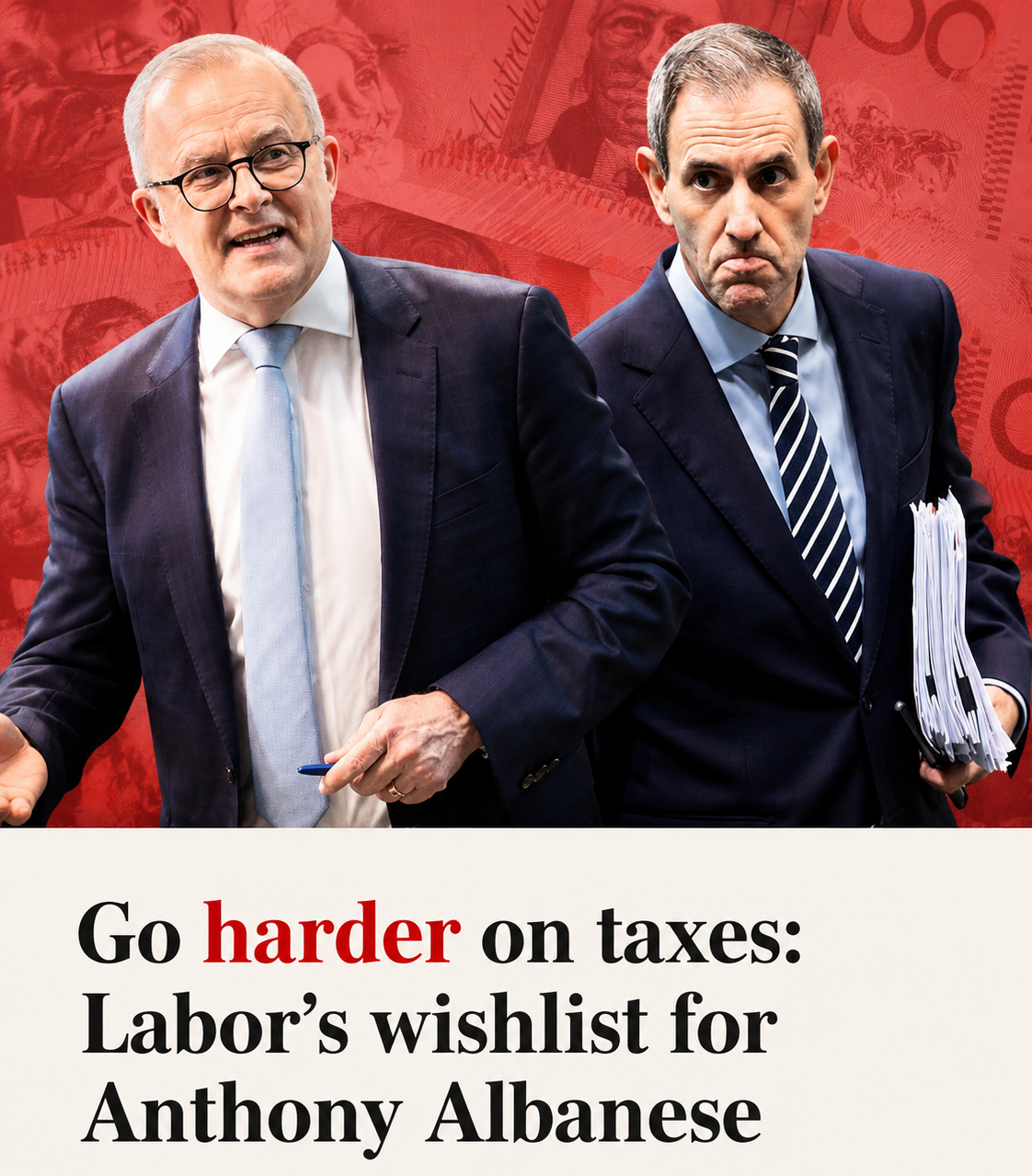
The Albanese Government has defended its current taxation agenda, stating that recent reforms are intended to improve fairness, strengthen the federal budget and support long-term economic sustainability. Government ministers have argued that balancing fiscal responsibility with economic growth remains a central objective of current policy.
Supporters of additional taxation reforms argue that changes affecting high-wealth individuals or investment tax concessions could increase government revenue and improve equity within the tax system. They contend that any additional revenue could help fund public services or support other government priorities.
Critics, however, caution that significant changes to investment taxation may influence business confidence, property investment and broader economic activity. Property industry representatives and some economists argue that reforms affecting negative gearing or investment settings should be carefully assessed to understand their potential effects on housing supply, rental markets and long-term investment decisions.
Economic specialists note that taxation policy involves balancing multiple objectives, including raising government revenue, encouraging investment, supporting economic growth and maintaining fairness across different groups of taxpayers. As a result, major tax reforms are often the subject of extensive public consultation and parliamentary debate before implementation.
At this stage, the proposals reported from NSW Labor branches remain part of internal party discussion. No decision has been announced by the Federal Government to adopt the suggested measures, and any future reforms would require normal government policy development and legislative approval through Parliament.
As Australia continues debating taxation, housing affordability and economic management, questions surrounding future tax policy are expected to remain central to political discussion. Whether additional reforms proceed will depend on future government decisions, party policy processes and parliamentary consideration.






