A newly published opinion poll has attracted attention after indicating that One Nation has recorded stronger support than both Labor and the Coalition in Victoria under the survey’s reported voting figures, adding another development to Australia’s evolving political landscape.
The survey has generated discussion among political observers because it suggests voter preferences may be shifting as issues such as housing affordability, cost-of-living pressures, public infrastructure, taxation and government accountability continue to dominate public debate. While the findings have drawn widespread attention, polling experts note that individual surveys represent a snapshot of opinion at a particular point in time rather than a prediction of election results.
According to the reported results, One Nation’s level of support in the survey placed it ahead of both major political groupings within the polling sample. Political polling organisations typically measure voter sentiment using specific sampling methods and statistical weighting, meaning results can differ between surveys conducted by different organisations or at different times.
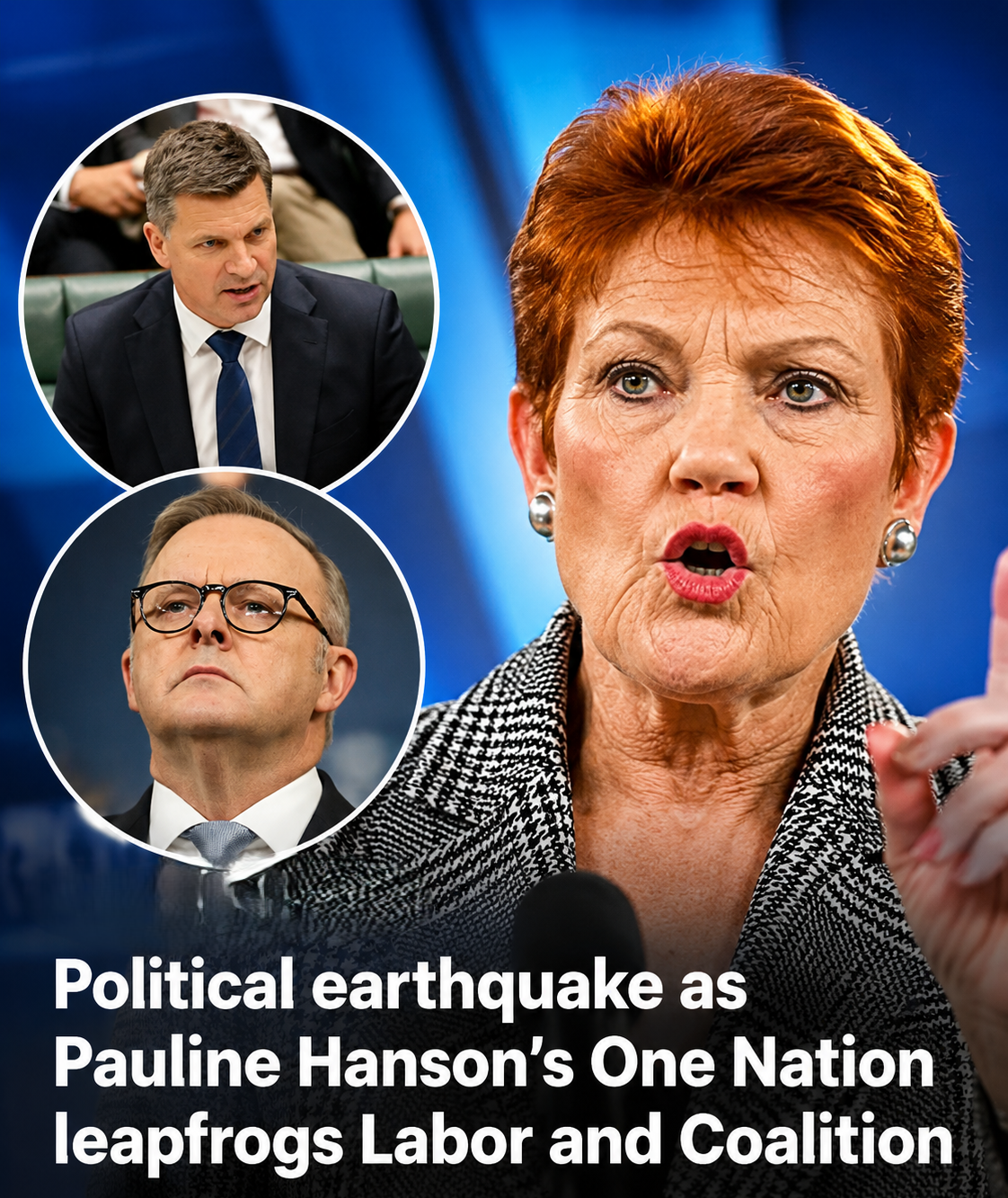
The reported shift comes amid continuing public discussion about a range of policy issues affecting Victorian and Australian voters. Housing affordability, inflation, taxation, healthcare, infrastructure projects and economic management have all featured prominently in recent political debate, with parties presenting differing approaches to addressing these challenges.
Supporters of One Nation argue the party has benefited from growing concern among some voters over cost-of-living pressures, immigration, government spending and other policy issues. Labor and Coalition representatives, meanwhile, continue promoting their own policy platforms and remain focused on persuading voters ahead of future elections.
Political analysts caution that interpreting polling results requires consideration of several factors, including the survey’s methodology, sample size, margin of error and timing. Individual polls can fluctuate in response to current events, leadership debates or major policy announcements, making longer-term polling trends generally more informative than any single survey.
Australia’s preferential voting system also means that election outcomes are determined by more than primary voting intention alone. Preference flows, candidate selection, local campaigns and electoral boundaries can all influence final results, particularly in closely contested seats.
With future elections still ahead, political parties are expected to continue refining their policy messages in response to voter priorities. Cost-of-living concerns, economic management, housing policy and public services are likely to remain central issues as campaigns develop and additional polling data becomes available.
Although the latest survey has generated significant political discussion, analysts generally advise treating it as one indicator of public sentiment rather than a definitive measure of future electoral outcomes. Additional polling over coming months will provide a clearer picture of whether the reported movement reflects a sustained trend or short-term variation in voter opinion.






