Prime Minister Anthony Albanese has said the Australian Labor Party aims to promote equal opportunity rather than equal outcomes, arguing that government policy should help more Australians participate in economic prosperity without discouraging ambition or success.
The comments were made as debate continues over the Federal Government’s recent taxation and housing reforms. Albanese said Labor’s objective is to expand opportunities for Australians through education, employment, home ownership and economic participation rather than attempting to guarantee identical financial outcomes for everyone.
Speaking about wealth creation, the Prime Minister emphasised that Labor does not oppose Australians building successful businesses, investing or accumulating wealth through lawful means. Instead, he said public policy should seek to ensure that people have fair opportunities to improve their circumstances regardless of their background.
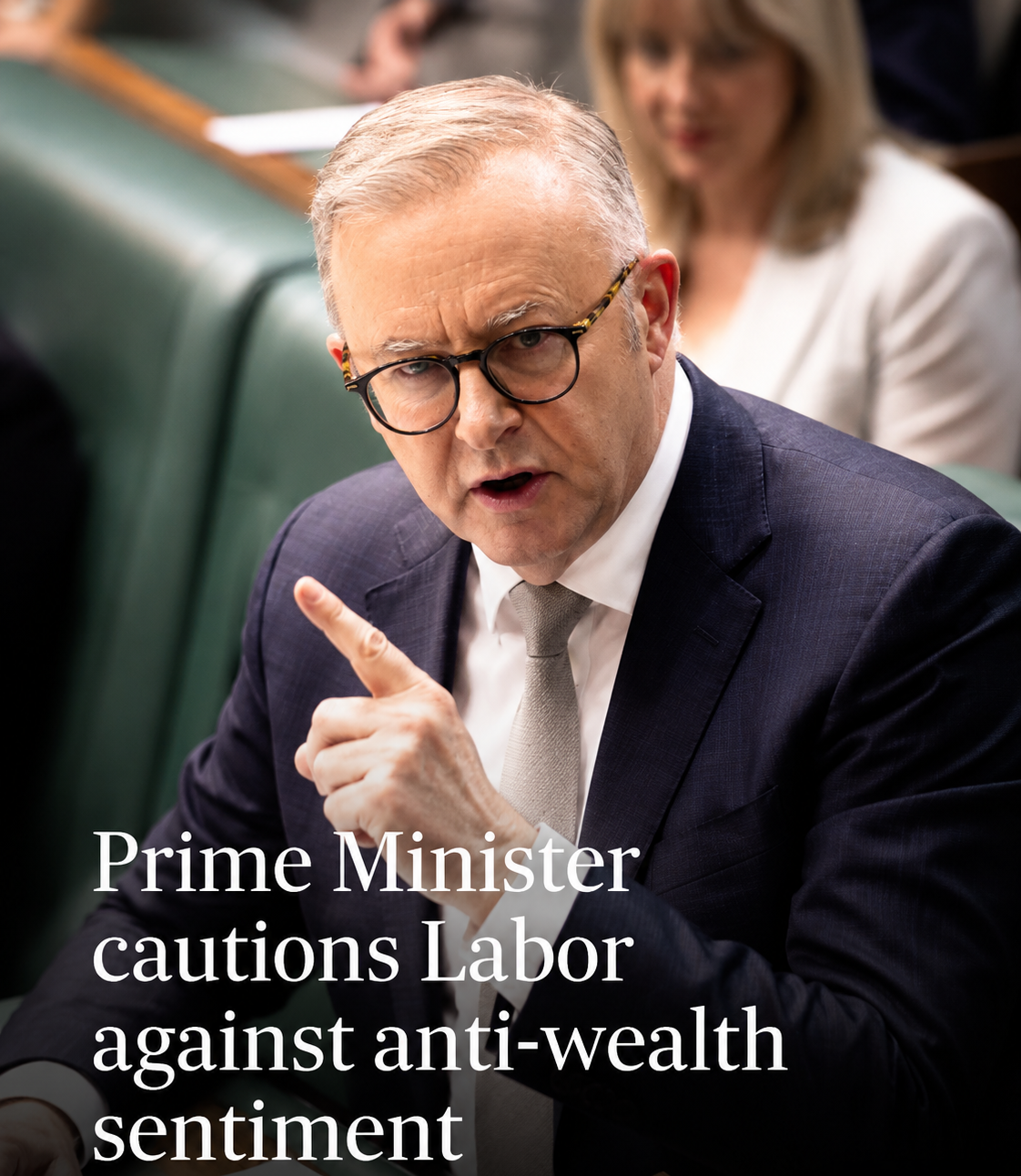
The remarks come amid ongoing discussion surrounding the Government’s tax reforms, housing policies and broader economic agenda. Ministers have argued that recent measures are intended to improve housing affordability, strengthen the sustainability of public finances and support long-term economic growth while maintaining fairness within the tax system.
Critics of the reforms have questioned whether some proposed tax changes could discourage investment or reduce business confidence. Opposition politicians, industry groups and some investors have argued that policy settings should continue encouraging entrepreneurship, investment and private sector growth as key drivers of Australia’s economy.
Economists note that balancing equity and economic efficiency has long been a central issue in public policy. Governments often seek to improve access to education, employment and housing while also maintaining incentives for innovation, investment and productivity. Different political parties may place different emphasis on how those objectives should be achieved.
The Prime Minister’s comments also reflect a broader philosophical distinction frequently discussed in public policy. Equal opportunity generally refers to ensuring individuals have similar chances to succeed, while equal outcomes imply achieving similar results regardless of differing circumstances. Political leaders often debate where governments should position themselves between these two approaches.
As Parliament continues considering economic and taxation policy, questions about wealth creation, opportunity and fairness are expected to remain central to Australia’s political debate. The long-term impact of current reforms will ultimately depend on economic conditions, investment activity and future measures adopted by successive governments.






