NSW Health is warning Australians about unapproved peptide products after surveillance recorded 1,180 emergency department presentations associated with their use. Officials say the increase is particularly worrying because the substances are widely promoted online with claims about weight loss, recovery and ageing. The new figures do not establish that every presentation was caused by a peptide or involved confirmed poisoning. They do show a substantial rise in emergency visits in which such use was mentioned.
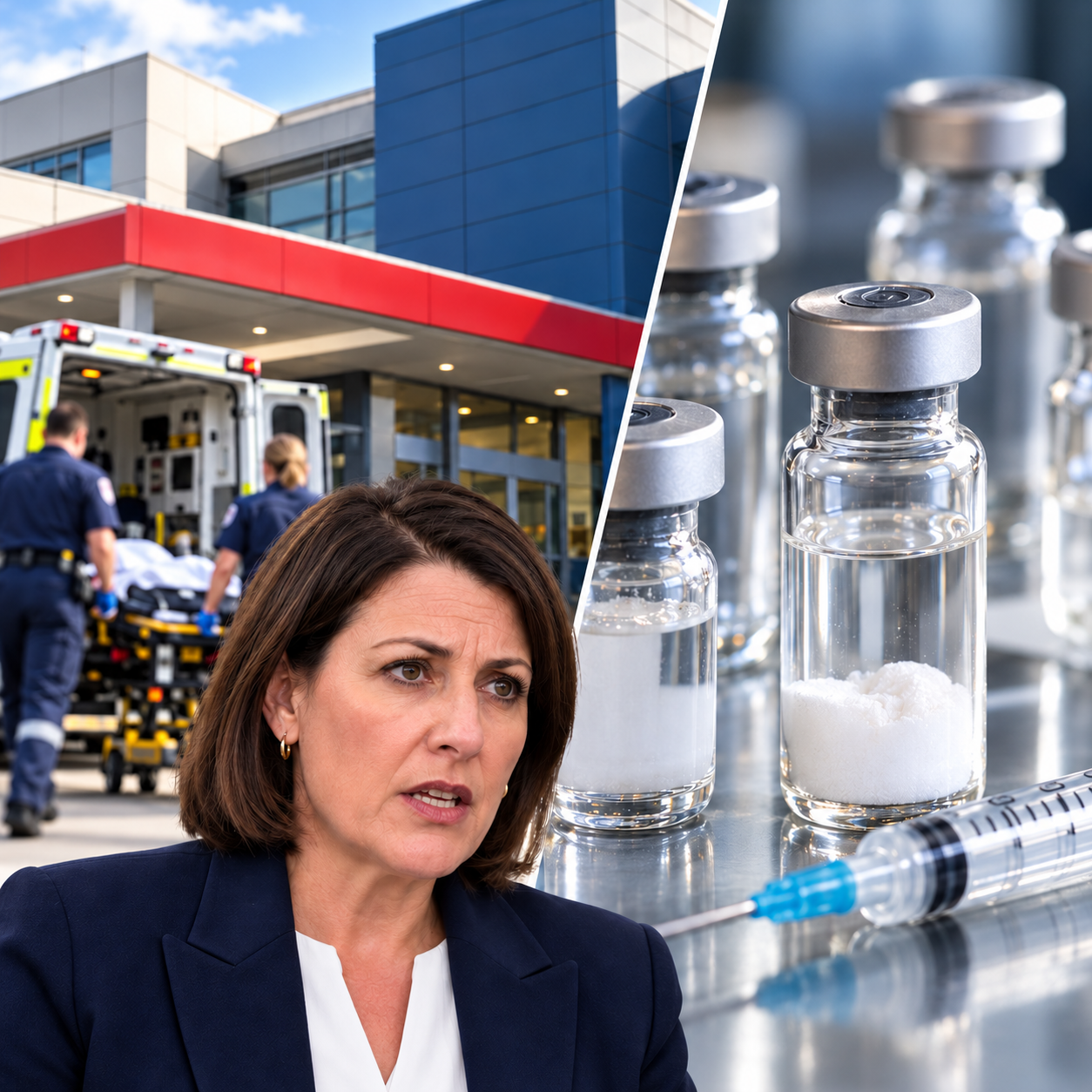
The data cover presentations across NSW public emergency departments during the official surveillance period, with monthly numbers rising from five near the beginning to more than 217 towards the end. Health authorities describe use of these products as previously uncommon in the recorded presentations. The change has prompted a clear message from the state's health leadership: people should not assume that substances marketed as health or performance aids are safe simply because they can be purchased or appear professionally packaged.
Peptides are a broad category of molecules, and the term can appear in legitimate medical and scientific settings. That fact does not mean every product advertised with the label has been assessed for safety or effectiveness. NSW Health's warning specifically concerns unapproved peptide products sold with claims about benefits such as promoting injury recovery, helping with weight loss or reversing signs of ageing. The approved use of one medication cannot be used as evidence that an unrelated peptide purchased through social media is safe.
The department named substances that products may claim to contain, including BPC-157, GHK-Cu, TB-500, retatrutide and CJC-1295. Naming these products is not an endorsement of their use or a guide to obtaining them. Authorities are highlighting the uncertainty about what purchasers are receiving and the risk of relying on unverified claims. Some of the names are circulating heavily in wellness and fitness discussions, where marketing can make experimental or unapproved compounds sound like routine supplements.
Chief Health Officer Dr Kerry Chant has warned that an attractive website, professional label, purity claim, customer review or influencer endorsement cannot prove the contents of a product. She has also cautioned that strength and ingredients may differ between products carrying the same label. That problem makes self-experimentation unpredictable. Even someone who believes they are buying a particular compound may not have reliable information about what is inside the container or how it has been made, stored and handled.
Health Minister Ryan Park has emphasised the strain associated with growing presentations and urged people to seek evidence-based advice from their GP rather than trust unprescribed products. The public-health argument is not that every person who sees a peptide advertisement will experience an emergency. It is that use can carry real risks and that the increase in people attending emergency departments warrants attention. Reporting the caution accurately is more useful than declaring a new epidemic of confirmed poisoning without supporting evidence.
The term 'associated with' matters. Surveillance systems often identify presentations through clinical notes or recorded mentions of an exposure. Such data can show trends without establishing causation in every individual case. Patients may have several health issues or may be using other substances at the same time. The official NSW figure counts emergency department presentations, not necessarily 1,180 distinct people, a tally of deaths or a final diagnosis of harm directly caused by peptides. Replacing the surveillance definition with a stronger claim would mislead readers.
It is also important to keep the time period straight. The figures cover more than a year of data and the monthly rise is measured across that series. A headline suggesting nearly 1,200 patients attended emergency departments in a single weekend or a single month would be false. The trend is concerning enough without moving the dates, combining unrelated categories or assigning every recorded presentation to a particular product.
Online health advertising is central to the warning. Substances can be marketed using confident claims about performance, appearance and recovery that appear to carry scientific authority. Social media adds testimonials and photographs that are difficult for an ordinary consumer to verify. None of those materials substitutes for regulatory assessment, a clinician's evaluation or reliable product information. A persuasive anecdote can describe one person's experience, but it cannot establish how a product will affect different people or what risks may emerge over time.
There is a difference between formal clinical research and marketing an experimental compound to the public. A substance being investigated for a potential medical use does not automatically mean it has been approved for use in the community, or that doses and long-term harms are known. Trials operate within specific rules, oversight arrangements and eligibility criteria. A product bought from an unverified source may lack those safeguards. It is misleading to treat promising research headlines as permission for self-prescribing.
The Therapeutic Goods Administration has a role in assessing therapeutic products under Australia's regulatory system. The presence of a technical chemical name or claim of laboratory purity does not prove that a product is authorised by the regulator. Consumers who are uncertain about the status of a product should seek appropriate professional advice rather than assume online availability means approval. NSW Health's message is especially relevant where advertising uses medical language without providing evidence of regulatory oversight.
The clinical risks described in public reporting include a range of symptoms and potentially serious reactions. Those reports illustrate why healthcare professionals want patients to disclose what they have taken when seeking treatment. They should not be read as proof that every named peptide causes every possible reaction at the same frequency. Different substances have different properties and the composition of an unapproved product may be uncertain. Accurate medical reporting avoids collapsing them into a single, fully understood drug category.
A person experiencing serious symptoms needs prompt assistance, not an online argument about whether a product is safe. NSW Health advises calling Triple Zero if someone is unconscious or has difficulty breathing. For medication errors or other concerning symptoms, the NSW Poisons Information Centre provides immediate advice around the clock on 13 11 26. These directions come from the state health authority. They are more appropriate in a news report than instructions about doses, combinations or ways to experiment with the substances.
People considering treatments for weight management, injury recovery or age-related concerns have legitimate health questions. They may be frustrated by slow progress or attracted to messages promising quick results. A responsible public-health response should recognise those motivations without validating unsupported marketing. Qualified clinicians can discuss approved options, assess underlying health issues and explain benefits and risks in a way that advertising cannot. The existence of commercial demand is not evidence that an unapproved product works as promised.
The rise in presentations also raises questions about how health systems identify emerging problems. Surveillance is valuable precisely because it can detect patterns that would be missed if clinicians looked only at isolated presentations. A growing count can signal the need for closer investigation, better guidance and more informed conversations between patients and doctors. It does not answer every research question about individual substances. That is why the department has described the findings carefully rather than assigning a definitive cause to every case.
There is a further communication challenge. Sensational coverage may inadvertently advertise the very products health officials want people to approach with caution. Listing brand-like product names without warning context, showing purchase pages or implying dramatic results can increase curiosity while obscuring risk. Readers need to understand what the official surveillance found, what remains unknown and what practical medical advice is available. The strongest headline is about the public-health warning, not a promise that an unapproved substance can deliver a miracle benefit.
The data should also not be used to make claims about individual users. An emergency department visit does not establish that a person knowingly took an illegal substance or behaved irresponsibly. Clinical staff may record an association while investigating symptoms. Public-health reporting works best when it avoids shaming patients, because people seeking treatment need to feel able to tell clinicians what they may have taken. Accurate information helps clinical care and improves the quality of future surveillance.
The central message from NSW Health is that the reassuring appearance of an online seller offers no reliable guarantee about ingredients, strength or safety. The recorded rise in emergency presentations is a reason for caution and further scrutiny, not permission to declare all products equally harmful or all cases confirmed poisonings. Australians confronted with promises of rapid weight loss, quicker recovery or anti-ageing effects are being urged to consult qualified medical professionals and use evidence-based treatments instead.
The state has now put a substantial surveillance finding into the public domain. Its significance lies in the trend and the uncertainty behind unapproved products. For consumers, the practical question is not whether an online review sounds convincing; it is whether there is reliable evidence, regulatory oversight and appropriate clinical advice. That distinction may be far more important than the claims printed on a bottle.






