Victorian Premier Ben Carroll is promising to cap public transport fares at $30 a week if Labor wins another term, offering regular commuters a clear dollar figure as the state's election debate shifts to household budgets. Concession holders would face a lower $15 weekly cap. Labor says the policy could save some frequent travellers more than $1,400 a year, while critics are asking how much relief the plan offers people who cannot easily use the network and how the government will fund it.
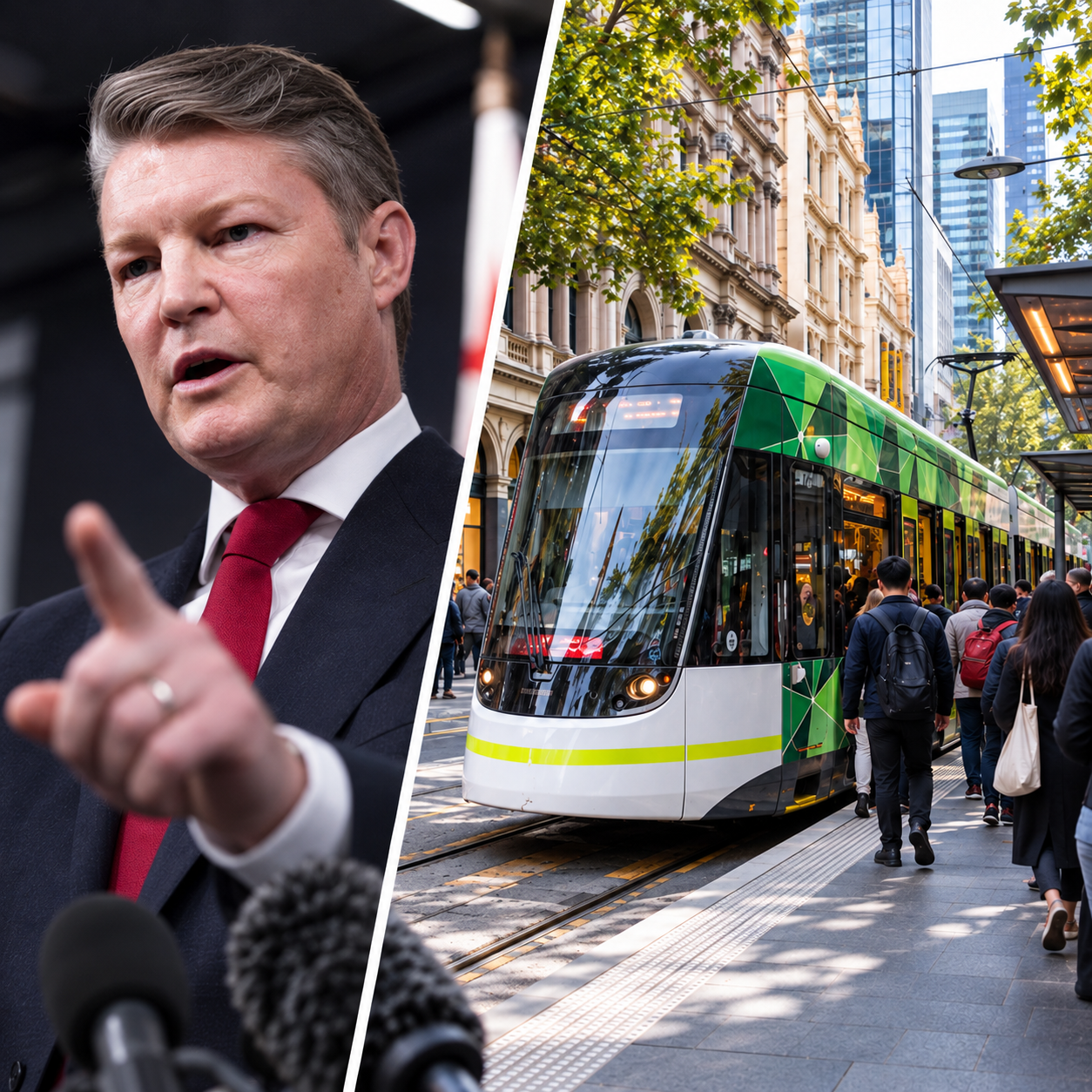
The proposal would apply to public transport fares, including eligible trains, trams and buses. It is distinct from a separate Labor promise to cap road toll costs. Both policies feature the same weekly dollar figure, creating a potential source of confusion in campaign coverage. One concerns passengers paying to use public transport; the other concerns drivers paying tolls. A commuter cannot assume that the details, eligibility requirements or payment systems for the two arrangements are identical.
Labor says its public transport cap would begin when a temporary period of half-price fares ends and remain in place for two years. The election has not yet determined whether the government will be returned, and the policy is therefore a promise rather than an existing entitlement. People planning a household budget should not treat the cap as a current fare rule. The timing, eligibility and administrative arrangements depend on the government being re-elected and implementing what it has announced.
For a worker who relies on trains or trams on most weekdays, the proposed saving is straightforward. Labor estimates a regular commuter could save about $27 a week compared with the usual weekly cost, amounting to more than $1,400 over a year of frequent travel. That is a campaign estimate for a typical pattern of use, not a guaranteed saving for every passenger. Someone making occasional trips could already pay less than the cap and might see little or no benefit from the change.
Concession passengers would have a separate weekly ceiling of $15, while Labor says existing arrangements such as free weekend travel for seniors and free fares for children would continue. These details matter because different groups use the system in different ways. A retiree travelling mainly on weekends, a student taking short trips and a five-day commuter may all have very different bills before the proposed cap. The headline number does not replace the need to check the rules that apply to a particular trip.
The way passengers pay is also important. Reporting on the pledge indicates that the capped fares would initially be tied to the Myki system, even though tap-and-go payments have been expanding. Labor has indicated it wants other payment methods covered in future, without a firm timetable for all of them. That distinction could matter to occasional travellers, interstate visitors or people who have moved away from using a physical card. A promise about a weekly price is only useful when passengers understand how they can access it.
The government places the cap in a broader package of cost-of-living policies. Labor has highlighted free fares for children, continued concessions and its separate road-toll proposal. Its pitch is that families who drive, use public transport or have children travelling to school would receive relief across several parts of the transport budget. The overall family savings figures used in campaign material combine different hypothetical circumstances, however, and should not be represented as the amount every Victorian family would save.
Carroll has argued that the policy is practical help for people whose travel costs build up during the working week. Public Transport Minister Vicki Ward says it would also give households more flexibility to leave the car at home. These are the government's intended benefits, but the effectiveness of a fare subsidy depends on whether convenient services are available. Lower fares do not automatically solve long waits, inconvenient connections or limited routes in outer suburbs and regional towns.
That geographical issue is central to a fair assessment. Inner-city travellers who can reach frequent trains and trams may be well placed to benefit. People on the urban fringe who need a car to reach work, childcare or medical appointments may struggle to use the system often enough. Households with shift work or irregular journeys may experience different savings from the five-day examples used in political speeches. A price cut addresses one barrier to public transport, not every barrier to access.
Labor has put the cost of the two-year cap at $206 million. It says spending restraint elsewhere will make the measure affordable and acknowledges that the arrangement is intended as temporary relief rather than a permanent fare structure. That admission is significant. Governments must choose between competing priorities, and a fare cap creates a direct budget cost. Voters can reasonably ask which expenditure is being reduced to finance the policy and how the total was estimated.
The opposition has not committed to matching the weekly public transport cap, according to current reporting, and has instead been making its own announcements about transport and the state's finances. Greens figures have argued for more ambitious concessions, including free travel. Those competing positions show the policy choice is not simply between people who support commuters and people who do not. Parties disagree over how much public money should go to fares, service frequency, network expansion and relief for drivers.
The Victorian Chamber of Commerce and Industry has also urged fiscal caution. It is possible to support help for commuters while asking whether a temporary discount is the best use of a limited budget. Conversely, pointing to fiscal pressure does not by itself show that the policy is unaffordable; that conclusion requires costings and an understanding of which other spending would change. The $206 million estimate, if borne out, becomes part of a larger argument over the state's finances and priorities.
For regular users, the appeal is predictability. Instead of watching daily fares accumulate through the week, a passenger would know the intended upper limit on their eligible spending. That could help households plan costs and make some additional trips without paying beyond the cap. Such benefits are plausible features of a weekly ceiling, but they should not be reported as measured outcomes before the scheme begins. A pledge about future fares cannot yet prove a change in travel habits.
The policy also creates an opportunity to examine fairness between modes of travel. Labor has put forward similar headline figures for road tolls and public transport, but the groups that benefit are not identical. Some workers have no realistic alternative to driving; others cannot afford the running costs of a vehicle. Public support for transport may include both price relief and improvements in service availability. The long-term balance between those aims will affect who gains most from the promised package.
Seniors and concession holders may reasonably focus on whether the new limit changes benefits they already receive. Labor says free weekend travel for seniors will stay in place, while concession fares would be capped at the lower weekly figure. Reporting should preserve that distinction. It would be misleading to suggest that a person currently entitled to free travel will suddenly have to pay the $15 cap, just as it would be misleading to suggest that every regular passenger will automatically save the maximum advertised amount.
Implementation details will matter if Labor wins. Payment technology, the definition of a fare week, how concessions are recognised and the interaction with existing rules would all affect the passenger experience. Those questions are not evidence that the plan will fail; they are normal questions raised when a campaign promise is translated into a service. Until final operating rules are published, coverage should distinguish the policy's stated intent from the details yet to be confirmed.
A public transport fare cap is easy to explain in an election advertisement because it provides a single number and an everyday experience most Victorians recognise. But the choice facing voters is more substantial than the number on the poster. They are assessing the cost, the distribution of benefits and whether the state can improve services while also offering cheaper trips. The measure deserves scrutiny as both a household saving and a budget commitment.
For now, the verified position is straightforward: Carroll's Labor government has promised a two-year weekly cap for eligible public transport passengers if re-elected, with a lower limit for concession users and a published cost estimate. It is not yet an enacted fare rule, and it is not the road-toll cap. Whether it becomes real relief for commuters will depend on the election, the final system and how many Victorians can use the services to which the promise applies.






