Treasurer Jim Chalmers has described allegations involving the unauthorised access of confidential banking information as “incredibly concerning”, saying Australians expect their personal financial data to remain private regardless of who they are.
His comments follow criminal proceedings against two Sydney men accused of improperly accessing restricted Commonwealth Bank customer information while one of them was working on secondment from Ernst & Young (EY). The allegations have not been proven and remain before the courts.
According to the Australian Federal Police, the accused allegedly accessed restricted banking records belonging to a federal parliamentarian. Multiple Australian media organisations have identified that parliamentarian as Prime Minister Anthony Albanese. One of the accused also faces an additional charge relating to the alleged use of a communications service involving personal information. Both men have been granted bail and are scheduled to return to court at a later date.
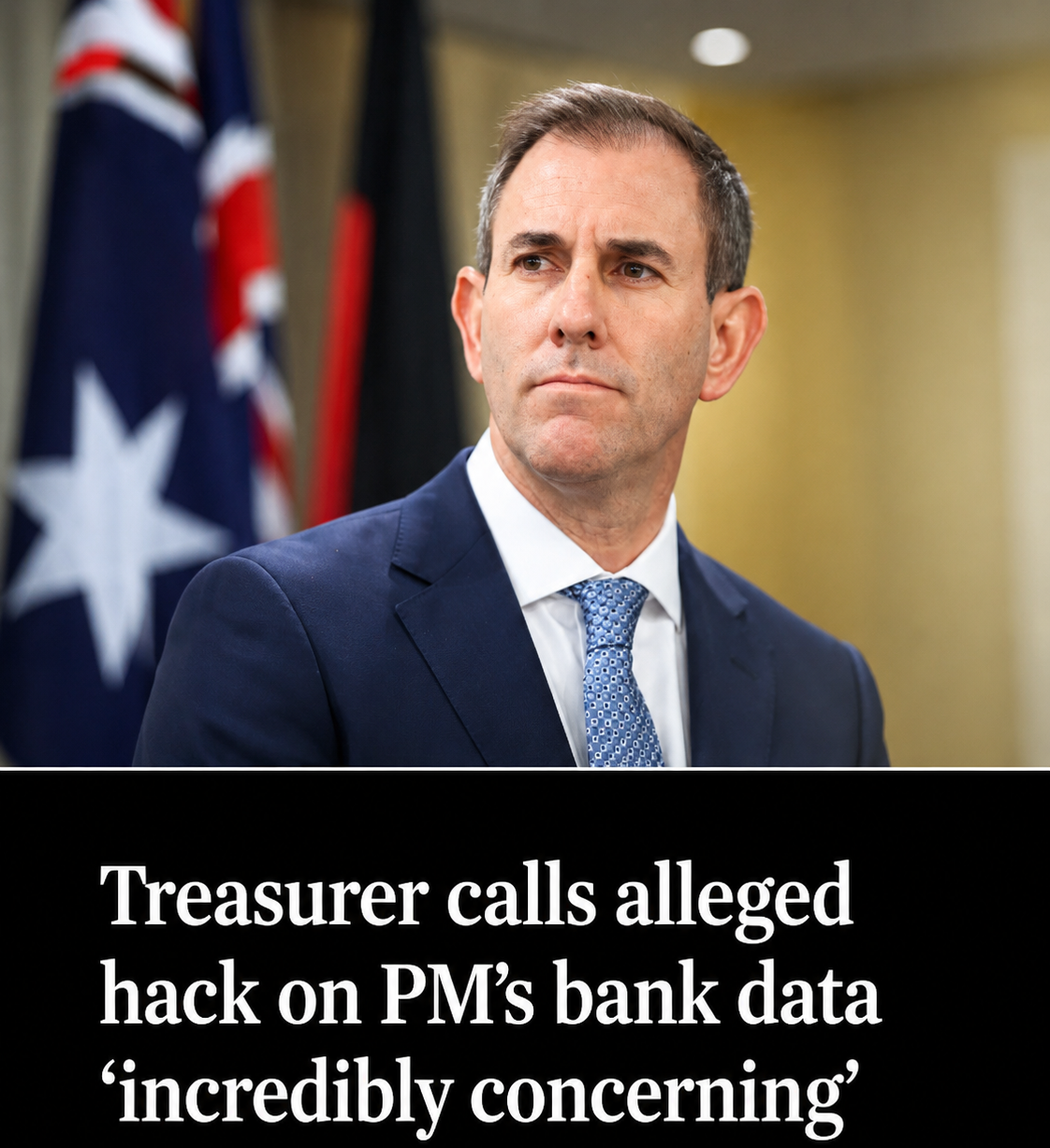
Speaking about the matter, Chalmers said the allegations should concern anyone who wants to keep their banking information private. He noted that Australians rightly expect financial institutions and organisations handling sensitive personal information to maintain high standards of security and confidentiality.
Prime Minister Anthony Albanese also described the allegations as serious but declined to comment extensively because the matter is currently before the courts. Under Australia’s legal system, ongoing criminal proceedings generally limit public discussion by government officials to avoid interfering with the judicial process.
Commonwealth Bank said its internal monitoring systems detected unusual account access activity and referred the matter to law enforcement authorities. Financial institutions routinely use audit logs, automated alerts and access controls to monitor employee and contractor interactions with sensitive customer information in order to identify potential misuse.
EY confirmed that the individuals involved are no longer employed by the firm. The company has not commented further on the allegations because the criminal case remains active. Neither EY nor Commonwealth Bank has suggested that broader customer banking systems were compromised as part of the incident.
The case has also renewed discussion about data governance within Australia’s financial and professional services sectors. Privacy experts note that banks and consulting firms rely on strict internal controls, employee training and monitoring systems to safeguard confidential customer information, while regulators continue to emphasise the importance of rapid detection and reporting whenever unauthorised access is suspected.
As the criminal proceedings continue, the allegations will be examined through the court process. No findings of guilt have been made, and the accused remain entitled to the presumption of innocence unless a court determines otherwise.






