Senior Australian defence leaders and security experts have warned that the strategic environment in the Indo-Pacific is becoming increasingly challenging, arguing that Australia should continue strengthening its defence capabilities and preparedness for future security risks.
The comments were made during the Australian Strategic Policy Institute (ASPI) Defence Conference in Canberra, where military commanders, security specialists and international representatives discussed emerging challenges facing Australia and the wider region.
Royal Australian Air Force Chief Air Marshal Stephen Chappell described the current strategic outlook by saying that “autumn is deepening”, explaining that Australia’s security environment is becoming more uncertain. Referring to the well-known phrase “winter is coming”, he said defence planners should focus on ensuring that conflict can be deterred through preparation, capability development and strong partnerships.
Incoming Chief of Army Lieutenant General Susan Coyle also stressed that modern warfare is evolving rapidly. She warned that it would be unrealistic to assume existing military systems would function perfectly during a future conflict, particularly if satellite communications, positioning systems or intelligence networks were disrupted. According to Coyle, the Australian Defence Force is undergoing significant transformation to adapt to technological change and is expected to look substantially different over the coming years.
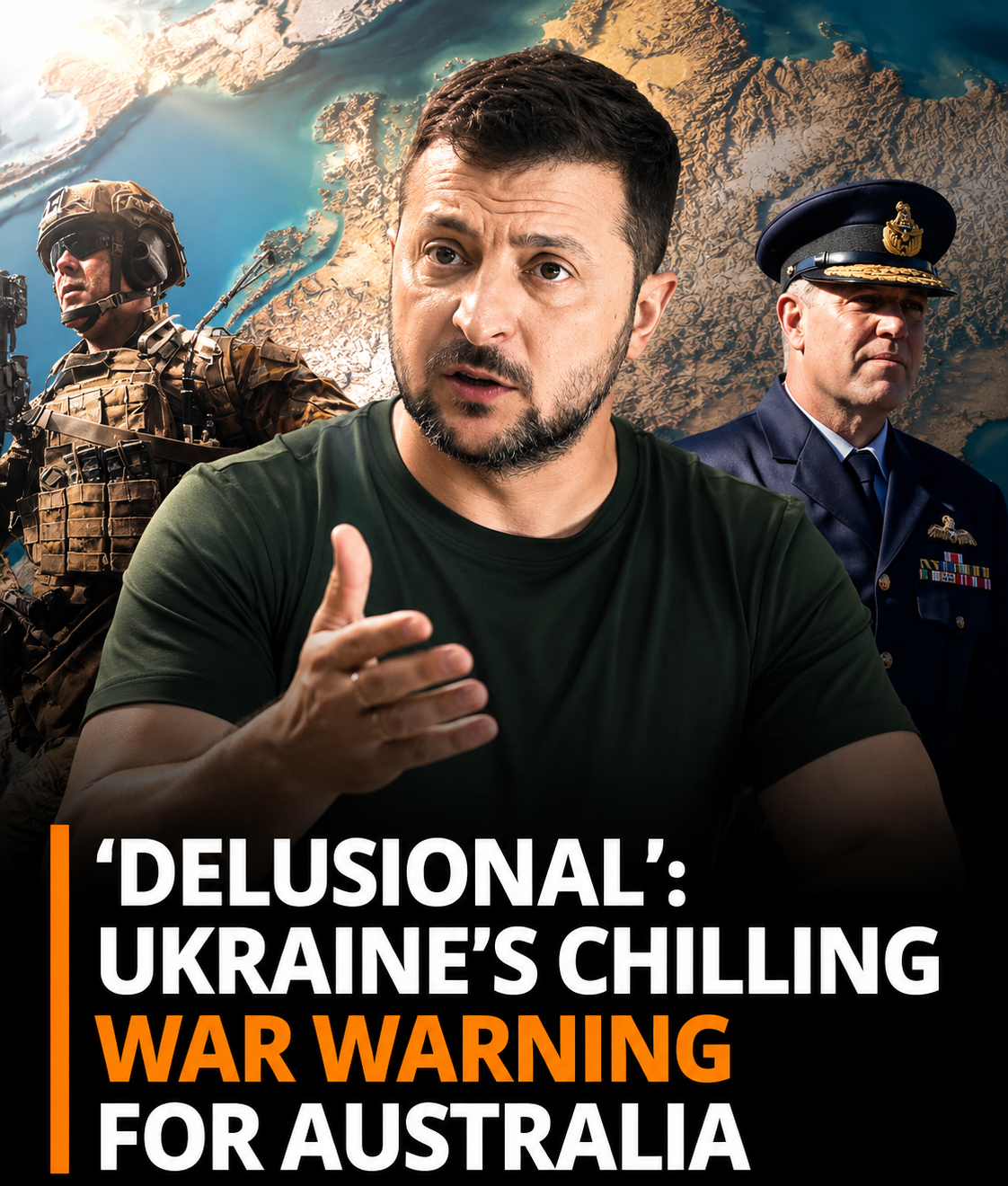
Other speakers highlighted the importance of integrated air and missile defence, cyber resilience and long-range deterrence. Defence analysts noted that advances in missile technology, electronic warfare and cyber capabilities are changing how countries plan for national defence. Some experts argued that Australia should continue expanding its ability to protect critical infrastructure and maintain military operations under degraded conditions.
Ukraine’s Ambassador to Australia, Vasyl Myroshnychenko, told the conference that Australia’s defence planning could draw lessons from Ukraine’s experience of rapid innovation during wartime. He emphasised the value of unmanned systems, domestic defence manufacturing and the ability to quickly adapt technology to changing battlefield conditions. He described these as examples of how countries with smaller armed forces can strengthen their defensive capabilities.
Government representatives said Australia is continuing its long-term defence investment program, including capability upgrades, closer cooperation with regional partners and implementation of initiatives associated with AUKUS. Officials have stated that these measures are intended to strengthen deterrence and improve Australia’s ability to respond to a changing strategic environment rather than signal the expectation of an imminent conflict.
Security specialists caution that assessments presented at defence conferences represent expert analysis of evolving risks rather than predictions that conflict is inevitable. They note that Australia’s security planning considers a wide range of possible scenarios, with defence capability development intended to reduce risk, strengthen resilience and support regional stability over the long term.
As strategic competition continues across the Indo-Pacific, issues such as defence preparedness, cyber security, critical infrastructure protection and international partnerships are expected to remain central to Australia’s national security planning in the years ahead.






