A long-running political disagreement between Foreign Minister Penny Wong and Liberal Senator Jane Hume has returned to public attention after recent commentary revisited their previous exchanges over political culture and leadership.
The renewed focus follows media discussion of remarks made by both politicians over several years, highlighting how personal disagreements can continue to influence Australia’s broader political conversation alongside policy debates.
According to recent reporting, Jane Hume referred to Penny Wong as one of politics’ “mean girls”, reviving language that first gained national attention during debate surrounding the late Senator Kimberley Kitching in 2022. Wong rejected the characterisation and instead criticised the Liberal Party’s treatment of women in politics, arguing the comments reflected a broader political culture she opposed.
The expression “mean girls” became widely discussed following reports about internal tensions within Labor’s Senate team after Kimberley Kitching’s death. At the time, senior Labor figures, including Anthony Albanese, criticised the description as sexist and inappropriate, while other commentators argued it reflected concerns raised by some political insiders. Those differing interpretations have continued to shape discussion whenever the phrase reappears in Australian politics.
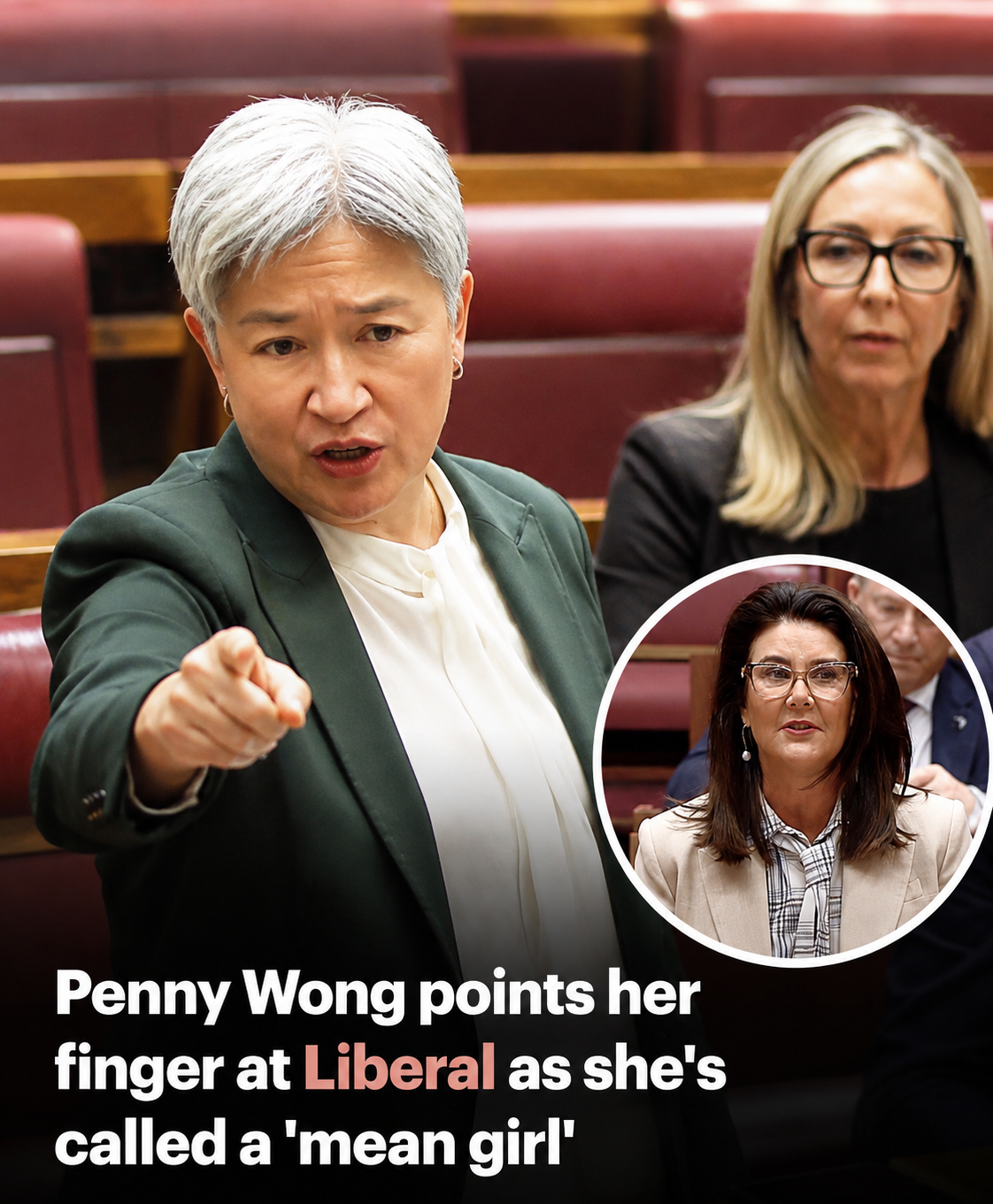
Recent exchanges between Wong and Hume have also occurred against the backdrop of broader disagreements between the Government and Opposition on issues including foreign affairs, economic policy and the conduct of political debate. Although their policy positions differ on numerous subjects, the renewed media attention has focused primarily on the personal and rhetorical aspects of their relationship rather than substantive legislative disputes.
Political analysts note that personal rivalries often attract significant public interest because they can shape perceptions of leadership style, communication and party culture. However, they caution that such exchanges do not necessarily reflect broader policy differences or determine electoral outcomes.
The renewed attention has also prompted discussion about standards of political discourse in Australia. Some observers argue robust debate is an inevitable feature of parliamentary democracy, while others believe personal attacks risk distracting from policy issues that voters regard as more important, including housing affordability, the economy and the cost of living.
As Parliament continues to debate major economic and social reforms, the exchange between Wong and Hume illustrates how political personalities can remain part of the national conversation alongside policy disagreements. Whether these personal disputes have any lasting impact on public opinion is likely to depend more on future political developments than on individual exchanges.






