Australia’s political landscape has shifted again after new national polling showed Labor moving back into first place, ending One Nation’s brief period at the top of several recent opinion surveys.
The latest polling suggests support for Labor has strengthened while One Nation’s primary vote has eased from its recent peak. Analysts caution, however, that polling results can fluctuate and should be viewed as part of a broader trend rather than in isolation.
According to the latest Newspoll, Labor’s primary vote has risen to 33 per cent, placing it ahead of One Nation on 29 per cent, while Coalition support has fallen to 17 per cent. The survey marks a reversal from polling earlier in June, when One Nation briefly led the primary vote following strong public attention to cost-of-living issues and the federal budget debate.
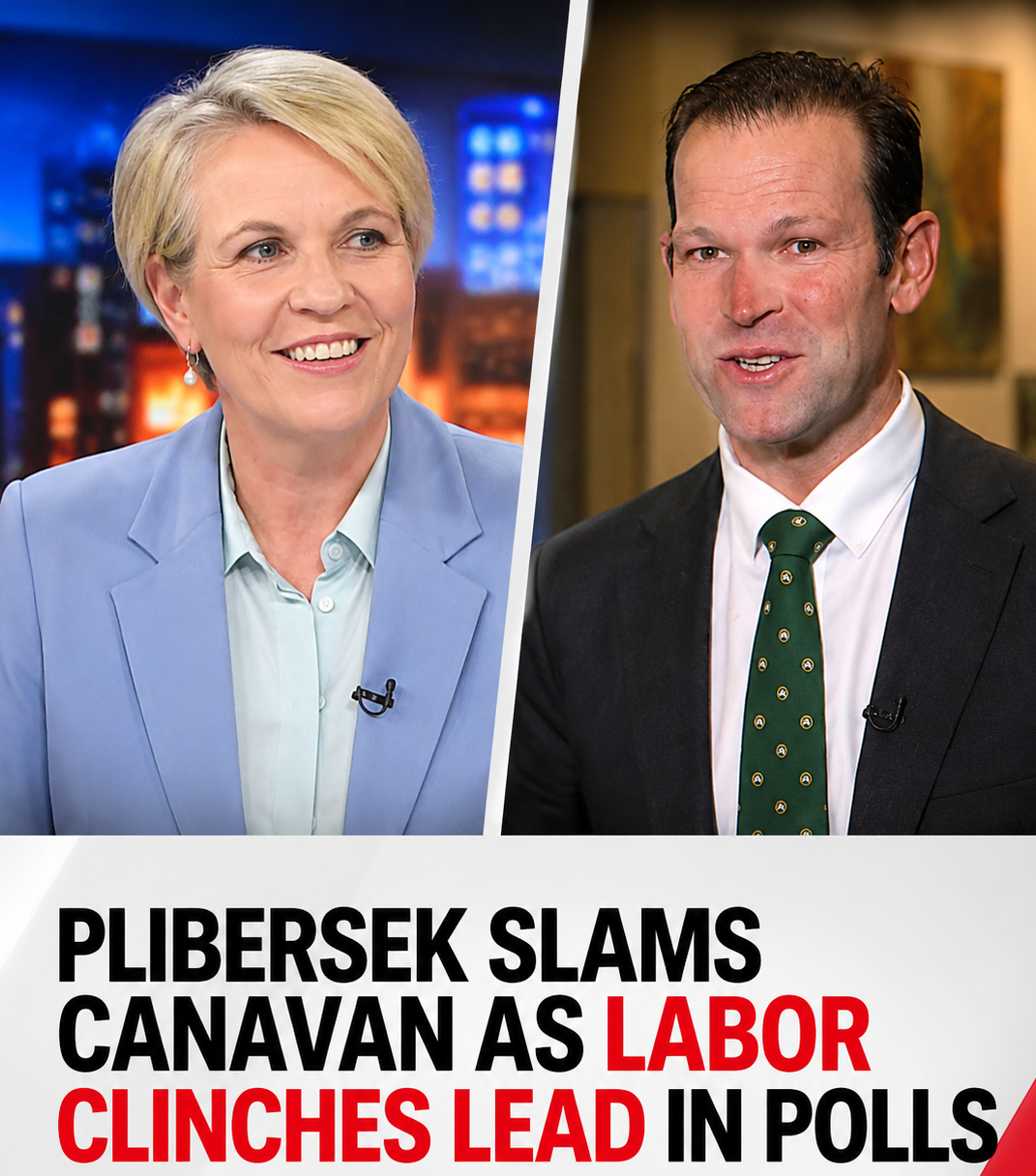
Government minister Tanya Plibersek said the latest figures suggest voters are looking more closely at One Nation’s policy platform. Speaking after the poll’s release, she argued that while Australians continue to face cost-of-living pressures, parties seeking government must also demonstrate how they would deliver practical outcomes on issues such as healthcare, education, housing and wages.
Political commentators have suggested that recent public debate surrounding Pauline Hanson’s speech advocating a “monocultural” Australia may have contributed to changes in voter sentiment. Several surveys recorded a modest decline in One Nation’s support following the speech, although the party continues to poll well above its historical federal election results.
Despite the decline, One Nation remains one of the country’s strongest-performing minor parties. Polling indicates the party continues to attract significant support from voters concerned about housing affordability, migration, living costs and dissatisfaction with the major parties. Analysts note that even after the recent fall, One Nation’s support remains considerably higher than it was before its rapid rise earlier this year.
Opinion polling experts caution that individual surveys should not be treated as election forecasts. Differences in methodology, sampling and timing can produce varying results between polling organisations, making long-term trends more informative than any single poll. Campaigns, policy announcements and major political events can also influence voter sentiment over relatively short periods.
The latest results also indicate an improvement in Prime Minister Anthony Albanese’s personal approval ratings compared with previous surveys. Preferred prime minister polling continues to place Albanese ahead of both Pauline Hanson and Opposition Leader Angus Taylor, although all three leaders continue to face varying levels of public dissatisfaction.
With Parliament resuming and debate continuing over taxation, housing affordability, migration and the cost of living, further polling in coming weeks will provide a clearer indication of whether Labor’s renewed lead represents the beginning of a longer-term trend or another stage in an unusually volatile political environment.






