Prime Minister Anthony Albanese has again defended the Federal Government’s housing tax reforms, arguing that Australia can no longer rely on a housing system that has seen property prices rise far faster than wages over the past two decades.
The comments come as debate continues over the government’s proposed changes to capital gains tax (CGT) and negative gearing, with supporters describing the reforms as necessary to improve housing affordability while critics warn they may discourage investment and reduce rental supply.
Speaking during a televised interview, Anthony Albanese rejected suggestions that the government’s objective was to undermine Australia’s property market. Instead, he argued that the existing housing system has become increasingly inaccessible for younger Australians after decades of rapid house price growth. According to the Prime Minister, reform is necessary because property values have risen substantially faster than household incomes, making home ownership more difficult for first-home buyers.
Under the government’s proposed reforms, the current 50 per cent capital gains tax discount for future investments would be replaced with an inflation-indexed cost base together with a minimum 30 per cent concession for eligible gains. Existing investments would continue under the current rules through grandfathering arrangements, while investors purchasing newly constructed homes would continue to receive stronger tax incentives. The Government says this approach is intended to encourage additional housing supply rather than investment in existing dwellings.
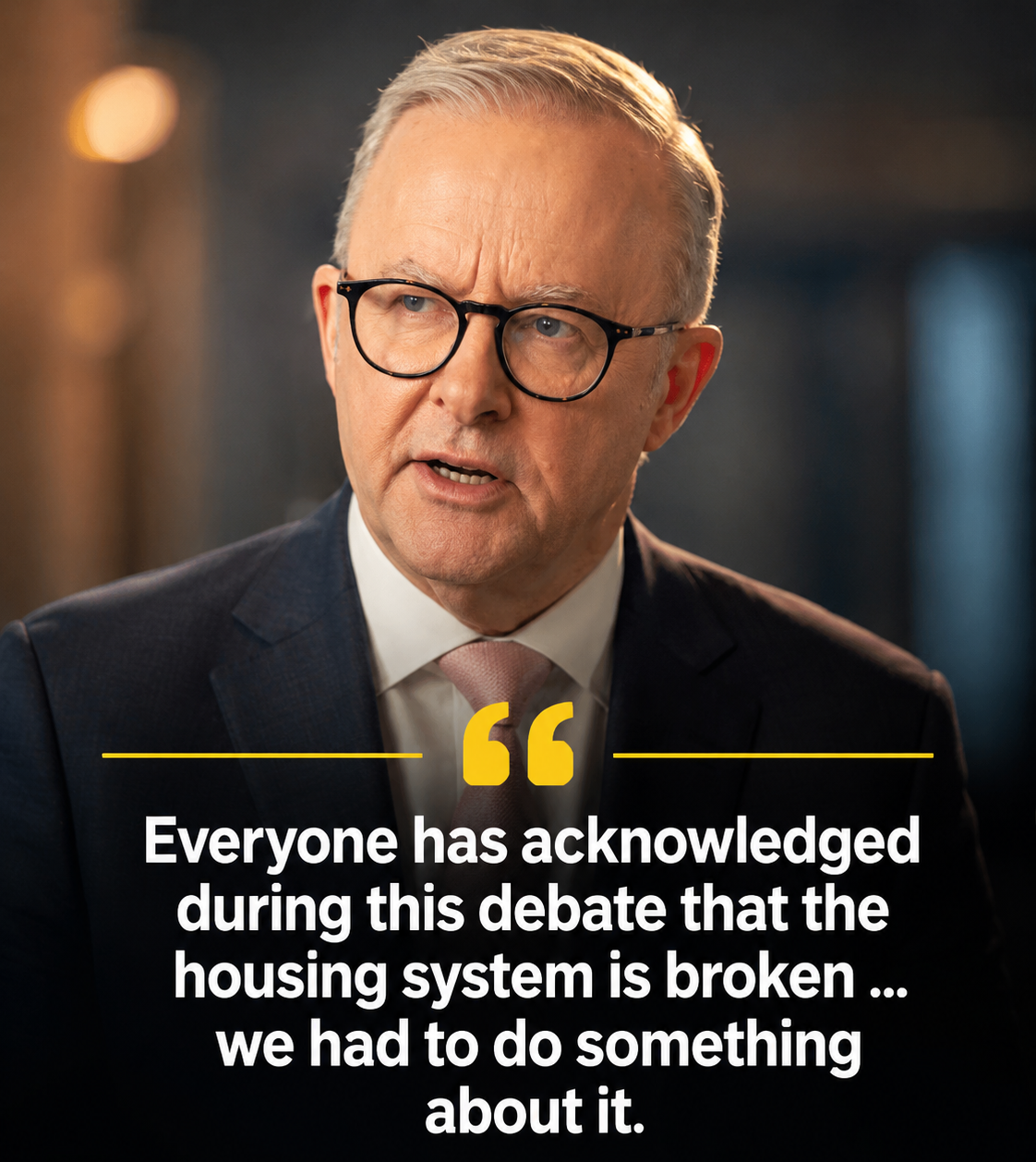
Albanese argued that improving opportunities for first-home buyers is a central objective of the policy. He said that if fewer investors compete for existing homes, younger Australians may have a better chance of entering the market. At the same time, the Government maintains that retaining incentives for newly built housing should continue encouraging private investment in additional supply.
Critics of the reforms have expressed a different view. Property industry representatives, investor groups and some economists argue that reducing long-standing tax concessions may discourage investment in residential property, weaken confidence and place additional pressure on rental availability if fewer investors purchase homes. Some have also questioned whether tax reform alone can resolve Australia’s broader housing affordability challenges.
Housing economists generally note that Australia’s property market is influenced by many factors beyond tax policy. Interest rates, migration, population growth, planning approvals, construction costs, labour availability and the pace of new housing development all play significant roles in determining both house prices and rental conditions. As a result, the long-term impact of the reforms is expected to depend on how these factors evolve together.
The Government has also emphasised that the reforms are part of a broader housing strategy that includes support for new residential construction, expanded first-home buyer assistance and policies aimed at increasing housing supply over time. Ministers argue that improving affordability requires both tax reform and additional housing construction rather than relying on a single policy measure.
Some analysts believe the measures could moderate future house price growth rather than produce a sharp decline in values. Others caution that any reduction in investor activity could affect market liquidity and rental supply before additional homes are completed. Most economists agree it will take time before the full effects of the reforms become apparent because many of the changes have not yet taken effect.
As Parliament continues considering the legislation, the debate is likely to remain focused on how Australia can balance housing affordability, investment incentives and long-term housing supply. Whether the reforms ultimately achieve those objectives will become clearer as implementation progresses and new market data becomes available.






